
To stay warm while camping, focus on using a combination of high-quality insulation and proper layering, which can boost your warmth by up to 30 degrees Fahrenheit. Many campers underestimate the impact of effective fire-building and the right gear, leading to uncomfortable nights. A well-planned approach ensures a cozy rest instead of a battle against the cold.
Cold temperatures, damp sleeping bags, and poorly fitted clothing often ruin outdoor experiences. A comfortable night under the stars is essential for enjoyable camping. Here are proven methods to ensure the chill of the air doesn’t spoil your adventure.
Avoid Basic Mistakes with Your Insulation
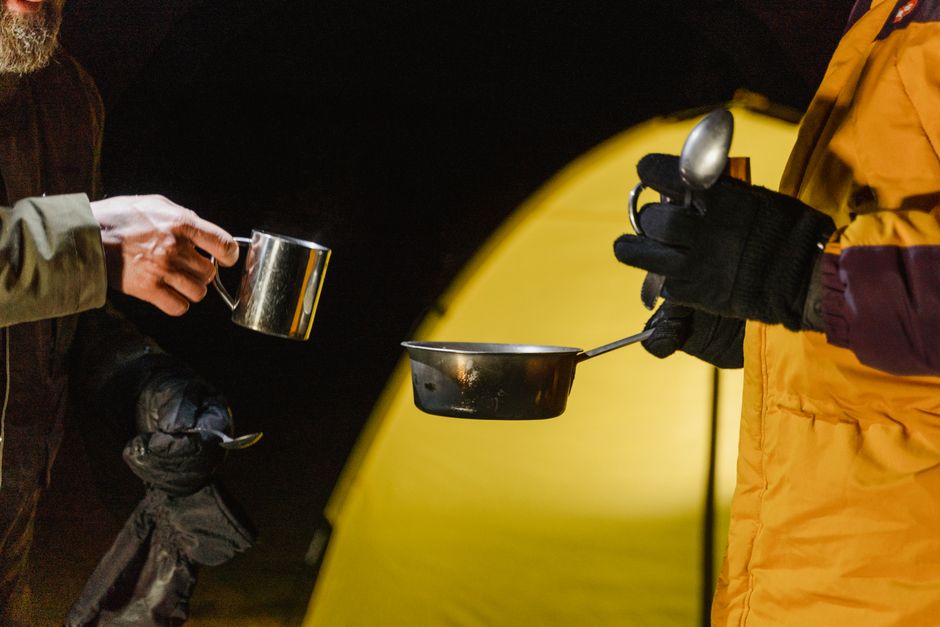
Insulation is crucial for warmth while camping. Sleeping bags rated for specific temperatures can still allow drafts, making it essential to choose one rated at least a few degrees lower than expected lows. Selecting a sleeping bag rated for 15 degrees Fahrenheit when you expect 20 can keep you much warmer.
Equally important is a high-quality sleeping pad. Cold ground can rapidly drain your body heat. Look for pads with an R-value of 5 or higher; this rating indicates superior insulation. Reflective layers can further enhance warmth by redirecting your body heat back toward you.
Layering Clothing is Essential
Instead of relying on one bulky layer, use multiple thinner layers for better insulation. This method traps air, acting as an effective barrier against the cold. Start with moisture-wicking thermal clothing as your base layer. Avoid cotton, which retains moisture and can leave you feeling clammy; choose materials like merino wool or synthetics instead.
Middle layers should consist of fleece or down jackets, which provide warmth while allowing breathability. Your outer layer must be windproof and waterproof to shield against moisture from rain or snow without restricting movement.
Mastering Fire-Building Techniques
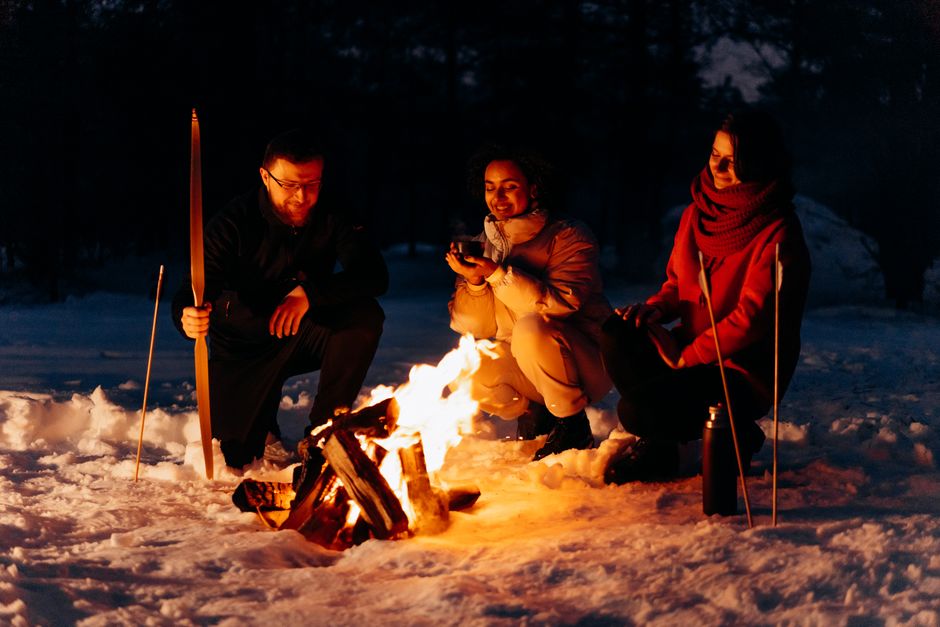
Effective fire-building is essential for a warm camping experience. Gather kindling, small twigs, and larger logs for a balanced fire structure. A teepee or log cabin setup promotes airflow and even heat distribution.
Don’t merely stack logs; start with a solid base of tinder and ensure you maintain a steady flame throughout the night. Position seating and cooking areas close to the fire to maximize warmth without overexposing yourself.
How to Keep the Moisture at Bay
Moisture inside your sleeping bag can lead to a chilly night. Prevent this by avoiding damp items in your tent; even small amounts of moisture can reduce warmth. If gear gets wet, dry it in the sun before packing or use a quick-drying towel.
Utilize a vapor barrier within your sleep system. Lightweight, breathable liners can insulate and minimize moisture penetration into your sleeping bag. This can mean the difference between comfort and cold during your night under the stars.
Your Tent Matters
Not all tents offer the same level of warmth. A thicker tent can trap humidity and exacerbate cold conditions. Opt for a double-walled tent that allows airflow, which helps to minimize moisture buildup.
Choose your campsite wisely by seeking natural windbreaks to protect against chilling winds. Enhanced heat retention can greatly improve your comfort in colder weather.
What to Do With Your Feet
Cold feet are often overlooked but can lead to an overall chill. Invest in insulated boots that fit well, allowing for cozy wool socks without being tightly constricted, as restriction can impede warmth.
Storing your boots inside your tent or using boot warmers helps prevent them from getting cold overnight, giving you a warm start in the morning. Additionally, try using hot water bottles by filling them with warm water and tucking them into your sleeping bag for extra comfort.
See also our take on backpacking without.
Key Takeaways: The Ultimate Survival Guide
- Select an insulated sleeping bag rated lower than the expected temperature.
- Layer thermal clothing, fleece, and windproof outerwear.
- Master fire-building and maintain a steady-level fire.
- Avoid moisture with a vapor barrier and ensure gear is dry before packing.
- Choose a double-walled tent and position it effectively.
A well-thought-out food plan can further enhance your camping experience. With diligent planning and the right techniques, chilly nights can transform from nightmares into restful adventures.
Frequently Asked Questions
How can I keep warm in a tent at night?
To keep warm in a tent at night, use a good sleeping pad to insulate yourself from the cold ground and wear thermal layers. Additionally, you can use a hot water bottle or hand warmers inside your sleeping bag for extra warmth.
What is the best way to insulate a tent?
The best way to insulate a tent is to use a ground tarp or an insulated sleeping pad underneath to prevent heat loss from the ground. You can also add extra layers like blankets or reflectors inside the tent to trap body heat.
Can you use a regular sleeping bag for winter camping?
While a regular sleeping bag can be used for winter camping, it is advisable to invest in a sleeping bag rated for lower temperatures to ensure adequate warmth. Regular sleeping bags may not provide sufficient insulation or warmth in extreme cold.
Why is my sleeping bag not keeping me warm?
Your sleeping bag may not be keeping you warm due to it being rated for a higher temperature than the conditions you are facing, or because it is damp or not fully lofted. Additionally, if you’re not using a proper sleeping pad, heat can be lost to the cold ground.
What clothing is best for cold weather camping?
The best clothing for cold weather camping includes moisture-wicking base layers, insulating mid-layers like fleece or down jackets, and a waterproof and breathable outer layer. Don’t forget thermal socks, a hat, and gloves to protect extremities from the cold.