
When it comes to organizing luggage efficiently, two popular solutions often come up: packing cubes and compression bags. Both aim to maximize space and keep your belongings tidy, but they work in very different ways. Choosing between them depends on your travel style, destination, and packing priorities. Here’s a detailed comparison to help you decide which option suits you best.
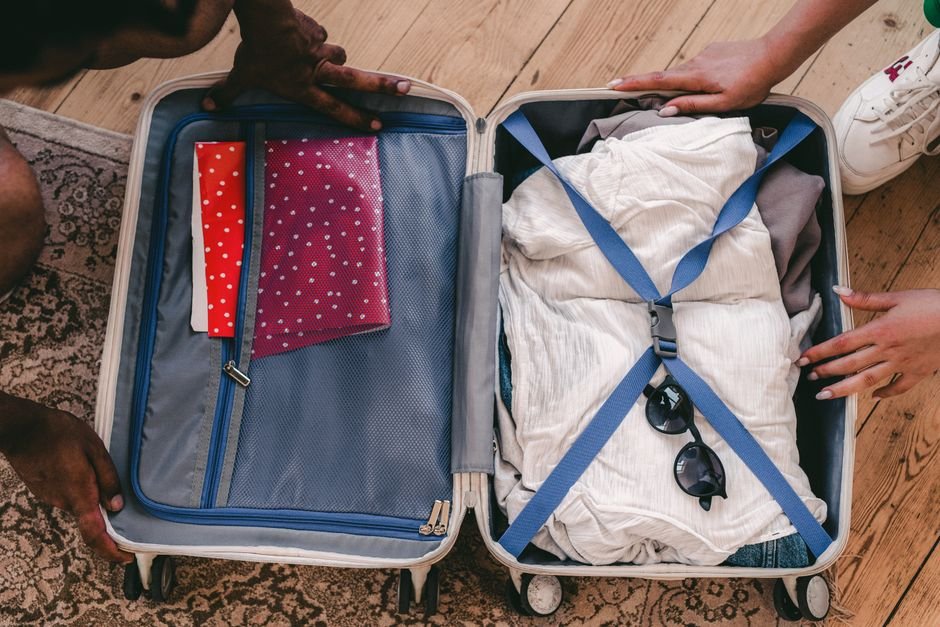
What Are Packing Cubes?
Packing cubes are lightweight fabric containers, usually rectangular, with zippered openings. They come in various sizes and are designed to compartmentalize your belongings inside a suitcase.
Key Benefits
Packing cubes excel at organization. You can separate clothing by type (shirts, pants, underwear) or by outfit, making it easy to find what you need without unpacking everything. They also help maintain neatness throughout your trip, especially if you’re frequently moving between locations.
Another advantage is breathability. Most packing cubes are made from mesh or lightweight fabric, which allows airflow and helps reduce odors compared to sealed storage.
Packing cubes are also very user-friendly. There’s no special technique required just fold your clothes and place them inside.
Limitations
While packing cubes help you organize, they don’t significantly reduce the volume of your clothes. If you’re trying to fit more into a tight suitcase, they won’t compress items much beyond basic folding techniques.
What Are Compression Bags?
Compression bags, also known as vacuum bags or space-saver bags, are designed to remove excess air from clothing, reducing their volume. Some require a vacuum cleaner, while others use a manual rolling method to push air out.
Key Benefits
The biggest advantage of compression bags is space-saving. By removing air, bulky items like jackets, sweaters, and bedding can shrink dramatically, allowing you to pack far more into the same suitcase.
They’re especially useful for cold-weather travel or long trips where you need to carry heavier clothing.
Compression bags also offer some protection against moisture, dirt, and odors since they are typically sealed.
Limitations
Compression bags sacrifice convenience for space. Once sealed, accessing your items requires opening the bag and potentially recompressing it later, which can be time-consuming.
They can also cause wrinkles due to the tight compression, making them less ideal for delicate or formal clothing.
Additionally, over-compression can lead to overweight luggage even if everything fits physically, which is an important consideration for air travel.
Key Differences
Organization vs Space Saving
Packing cubes are best for keeping things organized and accessible. Compression bags are best for maximizing space.
Ease of Use
Packing cubes are simple and quick to use. Compression bags require more effort, especially if you need to reseal them during your trip.
Clothing Care
Packing cubes are gentler on clothes and reduce wrinkles. Compression bags can compress fabrics tightly, leading to creases.
Flexibility During Travel
Packing cubes allow you to live out of your suitcase more easily. Compression bags are less practical for frequent access.
When to Choose Packing Cubes
Packing cubes are ideal if:
- You value organization and quick access to items
- You’re traveling for short to medium durations
- You’re carrying mostly lightweight or wrinkle-prone clothing
- You plan to unpack and repack frequently
They’re especially popular among business travelers and minimalist packers.
When to Choose Compression Bags
Compression bags are better if:
- You need to pack bulky clothing like coats or sweaters
- You’re traveling to colder climates
- You want to maximize limited luggage space
- You don’t need frequent access to all packed items
They’re often favored for long trips, winter travel, or moving items in bulk.
Can You Use Both?
Yes and in many cases, this is the smartest approach. You can use compression bags for bulky items to save space, and packing cubes for everyday clothing to maintain organization. This hybrid method gives you the best of both worlds.
See also: Best Soft Sided Luggage: Best Products
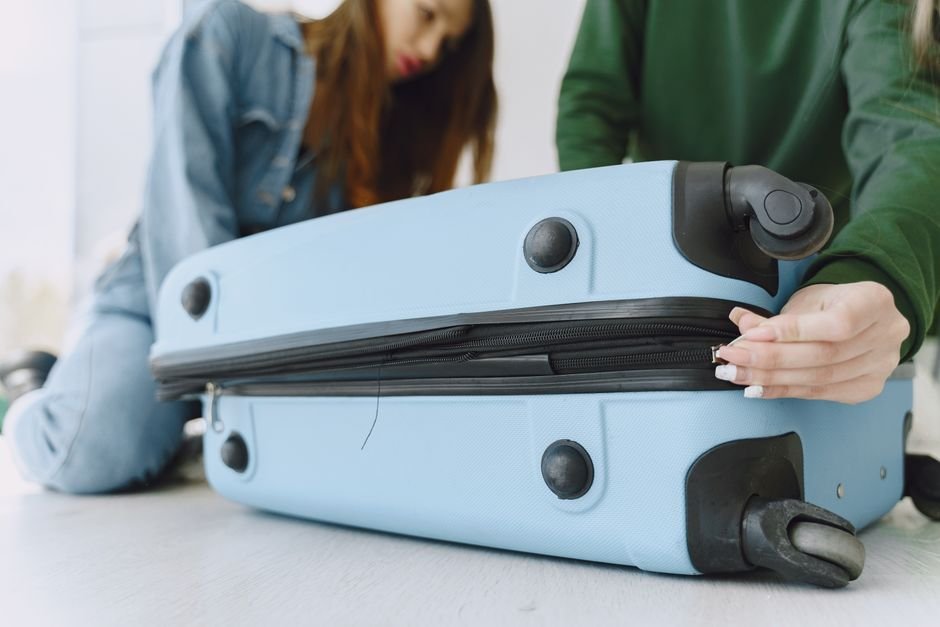
Who Suits Each Option?
Packing cubes are ideal for those who prioritize organization and accessibility. If you enjoy finding items easily and prefer a tidier suitcase, they’re your best bet.
On the other hand, compression bags are perfect for travelers needing to maximize suitcase space. They’re especially useful for longer trips where bulkier items like jackets or sweaters are involved. For a deeper understanding of the advantages of each, consider checking out this helpful article on Luggage Packing Cubes vs Compression Bags.
Consider your travel habits. Casual weekend trips might not need compression bags, while extended vacations will benefit from their space-saving design. Choose according to your style.
Conclusion
Packing cubes and compression bags serve different purposes rather than directly competing. If your main concern is staying organized and stress-free during travel, packing cubes are the better choice. If you’re trying to fit as much as possible into a limited space, compression bags are more effective.
Ultimately, the right option depends on your travel needs. Understanding how each works allows you to pack smarter, travel lighter, and make your journey more convenient.