
Two popular travel accessories designed for this purpose are passport holders and neck wallets. When traveling, keeping your passport, money, and important documents safe is just as important as packing clothes. While they may seem similar at first glance, they serve different needs and travel styles.
This article breaks down the differences, pros and cons, and ideal use cases to help you choose the right travel gear for your journey.
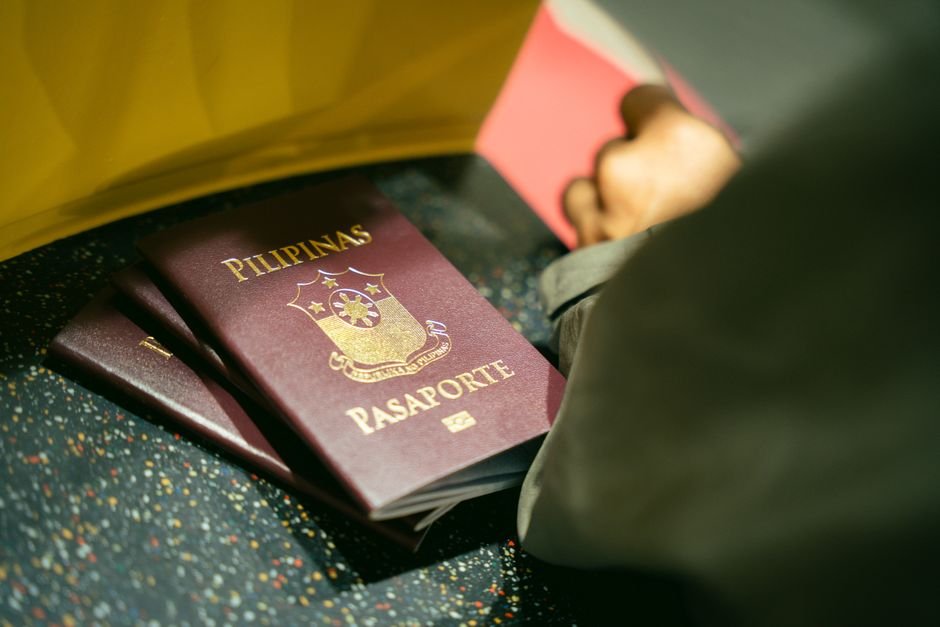
What Is a Passport Holder?
A passport holder is a compact sleeve or wallet designed primarily to store your passport. Many modern passport holders also include slots for credit cards, boarding passes, SIM cards, and sometimes cash.
Key Features
Slim and lightweight design
Fits easily into bags, backpacks, or pockets
Often made from leather, fabric, or RFID-blocking materials
Designed for organization rather than concealment
Advantages of a Passport Holder
Easy access: Ideal for airports and border crossings
Professional look: Especially popular for business travelers
Compact: Doesn’t add bulk to your carry-on
Organized storage: Keeps travel documents neatly in one place
Disadvantages of a Passport Holder
Limited security: Usually carried in a bag or pocket, making it more vulnerable to theft
Not hands-free: You need to take it out when accessing documents
What Is a Neck Wallet?
A neck wallet (also called a neck pouch) is a small pouch worn around the neck, typically hidden under clothing. It is designed to keep valuables secure and close to your body.
Key Features
Worn with an adjustable neck strap
Designed to be concealed under shirts or jackets
Multiple compartments for passport, cash, and cards
Often made with lightweight, sweat-resistant materials
Advantages of a Neck Wallet
High security: Harder for pickpockets to access
Hands-free: Keeps valuables on your body at all times
Peace of mind: Ideal for crowded or high-risk areas
Discreet: Hidden from view when worn under clothing
Disadvantages of a Neck Wallet
Less convenient access: Can be awkward to retrieve documents
Comfort issues: May feel warm or uncomfortable in hot climates
Casual appearance: Not ideal for formal or business travel
Passport Holder vs Neck Wallet: A Comparison
| Feature | Passport Holder | Neck Wallet |
|---|---|---|
| Security | Moderate | High |
| Ease of Access | Very easy | Less convenient |
| Comfort | Very comfortable | Can be uncomfortable in heat |
| Visibility | Visible | Hidden |
| Best For | Airports, business trips | Crowded areas, long-term travel |
Which One Should You Choose?
Choose a Passport Holder If:
You travel mainly through airports and hotels
You value quick access to documents
You prefer a sleek and professional accessory
You’re traveling in low-risk destinations
Choose a Neck Wallet If:
You’re visiting crowded cities or tourist hotspots
You’re concerned about pickpocketing
You want maximum security for valuables
You’re backpacking or traveling long-term
Can You Use Both?
Yes! Many experienced travelers use both:
A neck wallet to store their passport, extra cash, and backup cards
A passport holder or regular wallet for daily expenses and boarding passes
This combination provides both convenience and security.
Maintenance for Longevity
Taking care of your passport holder or neck wallet can greatly extend its lifespan. For a passport holder, periodic cleaning is essential. Use a damp cloth to wipe the exterior regularly. Avoid exposure to harsh chemicals. If your holder is made of leather, a specialized leather conditioner can help maintain its appearance.
Neck wallets also require attention. Regularly check for wear and tear, particularly around the straps. Washing the fabric versions is usually possible; just follow the manufacturer's care instructions. If your neck wallet features zippers, applying a lubricant can prevent them from sticking.
Cost Considerations and Alternatives
The price of passport holders typically ranges from $10 to $100, depending on materials and brand. Leather options tend to be pricier, while fabric models are more affordable. Investing in a quality passport holder may save you money in the long term if it lasts through multiple trips.
On the other hand, neck wallets often fall in a similar price bracket, generally between $15 and $50. Some budget options might even dip below this range. Remember, with both accessories, you often get what you pay for. Opting for a low-cost model may not provide the durability you need.
You might also consider alternative travel accessories that combine features of both. Multi-purpose bags or pouches, for example, can keep your documents organized while being worn around your neck or waist, as discussed in this Passport Holder vs Neck Wallet: Choosing the Right Travel article.
Common Mistakes When Choosing Travel Accessories
Choosing the wrong travel accessory is easy. One common mistake is prioritizing style over functionality. A fashionable passport holder might lack essential features like RFID protection or multiple card slots. Always consider what you truly need during your travels.
Another error is overlooking the size. Many travelers buy neck wallets that are too large, making them uncomfortable. Ensure that your neck wallet fits snugly without feeling bulky or distracting.
Who Each Option Suits Best
Passport holders are a great fit for those who appreciate organization and style. If you often travel with documents like hotel reservations or itineraries, a holder offers dedicated space. It suits travelers who prefer to keep their essentials tidy in one location.
On the other hand, neck wallets are ideal for those seeking maximum security. If you frequently visit crowded areas or are concerned about pickpockets, this option keeps your valuables close to your body. Neck wallets cater well to minimalist travelers who carry only essential cards and cash.
Conclusion
Choosing between a passport holder and a neck wallet depends on your travel style, destination, and personal comfort. If you prioritize convenience and organization, a passport holder is a great choice. If security and concealment are your main concerns, a neck wallet offers better protection.
Ultimately, the best travel gear is the one that makes you feel confident, organized, and stress-free throughout your journey. Safe travels.