
When shopping for outerwear, you’ll often come across two common terms: waterproof and water-resistant. While they may sound similar, they serve different purposes and perform differently in wet conditions. Understanding the distinction can help you choose the right jacket for your needs, whether you’re commuting in light rain or hiking through a storm.

What Is a Water-Resistant Jacket?
A water-resistant jacket is designed to repel water to some extent but not completely block it. These jackets are typically made from tightly woven fabrics like polyester or nylon and often have a Durable Water Repellent (DWR) coating on the surface.
Key Features:
- Repels light rain and drizzle
- Lightweight and breathable
- More affordable than waterproof jackets
- Comfortable for everyday wear
Limitations:
- Not suitable for heavy rain or prolonged exposure
- Water can eventually seep through the fabric
- DWR coating wears off over time and needs reapplication
Best Uses:
- Light rain or misty conditions
- Casual outings or city commuting
- Activities where breathability is more important than full protection
What Is a Waterproof Jacket?
A waterproof jacket is built to completely block water from penetrating, even in heavy rain. These jackets use specialized materials such as laminated membranes or coatings that prevent water from getting through while often allowing some moisture (like sweat) to escape.
Key Features:
- Fully blocks rain and moisture
- Sealed seams to prevent leaks
- Often includes a hood and adjustable cuffs
- Higher durability in extreme weather
Limitations:
- Usually more expensive
- Can feel less breathable, especially in lower-end models
- Slightly heavier than water-resistant jackets
Best Uses:
- Heavy rain, storms, or wet climates
- Outdoor adventures like hiking, trekking, or camping
- Situations where staying completely dry is essential
Key Differences at a Glance
| Feature | Water-Resistant Jacket | Waterproof Jacket |
|---|---|---|
| Protection Level | Light rain only | Heavy rain and storms |
| Breathability | High | Moderate to high (varies) |
| Cost | Lower | Higher |
| Durability in Rain | Limited | Excellent |
| Seam Sealing | Usually no | Yes |
| Weight | Lightweight | Slightly heavier |
How to Choose the Right Jacket
Your choice depends largely on your lifestyle and environment.
Choose a Water-Resistant Jacket if:
- You mostly encounter light rain
- You prioritize comfort and breathability
- You need a jacket for daily wear or travel
Choose a Waterproof Jacket if:
- You live in a region with frequent or heavy rainfall
- You spend long periods outdoors
- You need reliable protection in harsh weather conditions
Cost Considerations
The price of jackets can vary widely based on their functionality and brand reputation. Generally, waterproof jackets tend to be more expensive than water-resistant ones due to advanced materials and technology involved in their construction.
You can find basic water-resistant jackets in the range of $50 to $150, which is budget-friendly. However, a good waterproof jacket typically costs between $150 and $500. Higher-end options often include additional features like enhanced breathability and durability.
While initial costs matter, consider the long-term benefits. Investing in a quality waterproof jacket can save you money in the long run by reducing the need for replacements.
Who Each Option Suits Best
Water-resistant jackets are ideal for casual users. If you’re someone who enjoys light outdoor activities or walking in mild rain, this option is great for you. They provide enough protection during short periods of light precipitation.
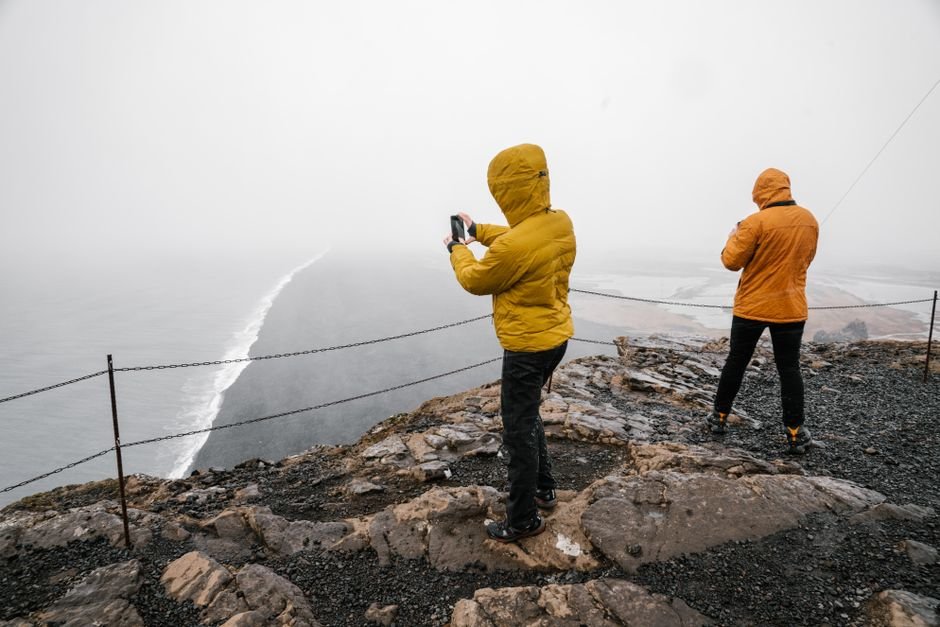
For those engaging in outdoor adventures such as hiking, skiing, or cycling, a waterproof jacket is the better choice. You need something that can withstand heavy rain and keep you dry for extended periods. This jacket will be your reliable companion during vigorous activities.
People living in regions with unpredictable weather patterns will also benefit from having a waterproof jacket handy. It can provide reassurance, knowing you have protection against Mother Nature’s sudden changes.
Practical Maintenance Tips
Maintaining your jacket is crucial to ensure its longevity and effectiveness. For water-resistant jackets, wash them regularly to remove dirt and oils that can break down the coating. Use a gentle detergent and avoid fabric softeners.
For waterproof options, consider reapplying a water repellent treatment every few months. This can help restore the jacket’s ability to repel water. Always follow the manufacturer’s instructions for washing and drying to prevent damaging the material.
Common Mistakes to Avoid
One common mistake is assuming all jackets labeled “waterproof” can handle prolonged exposure to heavy rain. Check the waterproof rating; higher numbers indicate better performance.
Another pitfall is ignoring the breathability factor. Choosing a completely waterproof jacket without ventilation can lead to sweat buildup. Make sure to select an option with moisture-wicking properties that suit your activity level.
Finally, avoid neglecting repairs. If you notice a tear or loose seam, fix it immediately. Small issues can compromise the jacket’s effectiveness over time.
Comparing Weight and Packability
When considering a jacket, weight and packability are essential factors. Waterproof jackets tend to be heavier due to their protective layers. However, many brands offer lightweight options that can withstand rain while remaining portable.
Water-resistant jackets are often lighter and easier to pack, making them ideal for hiking or travel. Check the weight specifications; look for jackets that compress easily into bags to save space.
Conclusion
Both waterproof and water-resistant jackets have their place in a well-rounded wardrobe. A water-resistant jacket is perfect for mild, everyday conditions, while a waterproof jacket is essential for serious weather protection. If your budget allows, having both options ensures you’re prepared for any kind of rain. For more detailed information on waterproofing technology, check out waterproof vs water-resistant explanations.
Understanding these differences will help you make a smarter investment and stay comfortable, no matter the forecast.