
One out of every three campers opts for meal pouches due to their convenience and lightweight design. These food solutions are pre-packaged and include dehydrated or ready-to-eat meals that require little to no preparation, making them suitable for any outdoor adventure.
When I first started camping, the abundance of food choices overwhelmed me. I wanted something easy, nutritious, and compact, and that’s when I discovered meal pouches. They allowed me to focus more on enjoying the outdoors rather than worrying about meal prep or carrying heavy supplies.
Over time, I’ve learned to appreciate not just their practicality but also the variety available for different dietary preferences.
Exploring the Types of Meal Pouches Available
Meal pouches generally come in two categories: ready-to-eat and those that need some water and heat to rehydrate. Ready-to-eat mealslike MREs (Meals Ready to Eat), are great for those who prioritize convenience. You can tear open the package and eat right away.
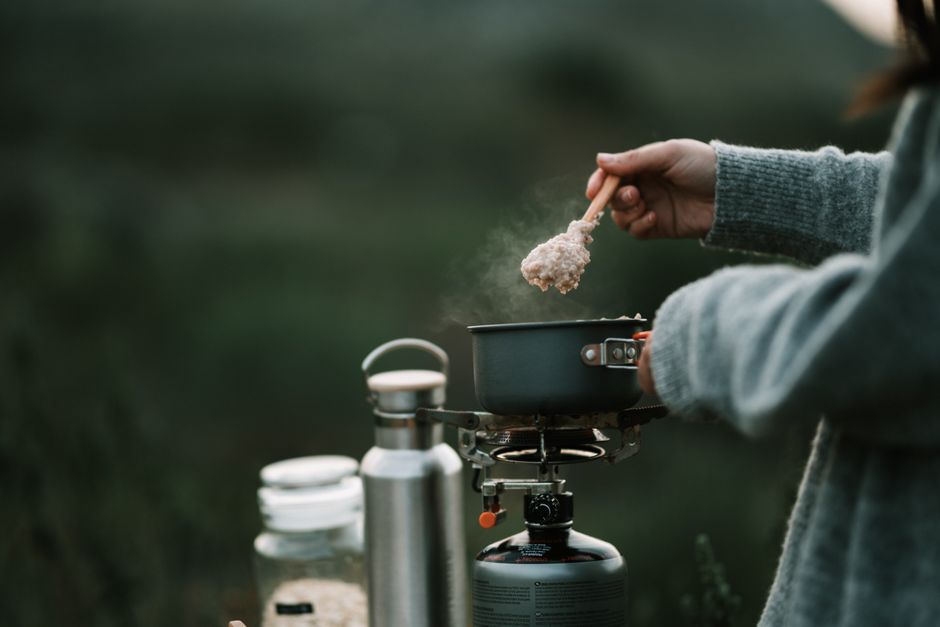
However, if you’re looking for something that closely resembles home-cooked meals, dehydrated options require some preparation, like boiling water or soaking the pouch. I often find that the dehydrated meals yield a more satisfying taste and texture, though they may take a little more effort to prepare.
Vegetarian and vegan options are increasingly common, catering to diverse dietary needs. Brands have started including protein-rich legumes, grains, and legumes, making it easier to find suitable options. On the other hand, meat-eaters can choose options packed with meat or seafood. Most brands offer meals that are balanced in terms of protein, carbohydrates, and fats, ensuring that you stay energized on your trip.
Nutrition: A Priority in Meal Pouches
Nutrition for camping is critical, especially during physically demanding activities like hiking and climbing. A standard meal pouch can offer anywhere from 300 to 800 calories per serving, depending on the brand and ingredients. I often check the nutrition label for protein content, as it helps me feel full longer and assists in muscle recovery after a long day of outdoor activities.
Look for meal pouches that are less than 800 grams in weight for easy carrying. Many brands have swapped out artificial preservatives for natural ingredients, making them even healthier. If you’re keen on ingredient transparency, some manufacturers even provide detailed breakdowns of what goes into the meals.
I prefer to stick with brands that prioritize wholesome, recognizable ingredients, as I want my fueling options to be as clean as possible.
What Makes a Good Camping Meal Pouch?
When shopping for meal pouches, consider the packaging itself. The best meals come in durable, resealable pouches that protect against moisture and allow easy portion control. A good pouch should also be lightweight and compact to fit snugly into your backpack. Be mindful of the weight, meal pouches can add significant bulk if you are not selective. I recommend packing lightweight meals for long trips.
A pouches can weigh as little as 100 grams, making it easier to carry more food without feeling overloaded.
Ease of preparation is also crucial. Some pouches simply require boiling water, while others might need a camp stove or, in some rare cases, baking. Choosing meals that can be prepared adequately with minimal supplies can save both time and energy while on the trail. I usually opt for meals that heat in under 10 minutes, striking a balance between convenience and nourishment.
Budgeting for Camping Meals: Understanding Costs
The cost of meal pouches can vary significantly, typically ranging from $3 to $10 each, depending on the brand, ingredients, and serving size. When planning, I think about not just the upfront cost but also the nutritional value. It’s tempting to opt for cheaper options, but sometimes they skimp on quality, leading to disappointment.
I’ve often found that investing in higher-quality meals pays off with better taste and satiety.
To make the most of your budget, I recommend buying in bulk or taking advantage of sales. Some brands offer discounts when you buy multiple pouches, which helps save money in the long run. Even if there’s a higher initial investment, the convenience can be worth it on long trips where you don’t want to compromise on nutrition or flavor.
Common Mistakes Regardless of Experience
Many campers get caught up in overpacking, thinking they’ll want more choices than they really need. I once made this mistake, bringing multiple types of meals that ultimately went uneaten. Instead, I learned it helps to plan your meals to match your itinerary, ensuring they’re balanced for the energy you’ll exert.
A week’s worth of food that suits your taste and caloric needs will often serve you better than a mixed bag piling on unnecessary weight.
Also, pay attention to how much food you actually need. A common rule of thumb is to plan for around 1.5 to 2 pounds of food per person per day, adjusting depending on your activity level. Use a guide like “How to Choose Food for Backpacking Without Overpacking” to help streamline your options.
Don’t forget to account for snacks, those are the little morale boosters that can make your days on the trail much more enjoyable.
Related reading: budget camping.
Final Thoughts: Should You Invest in Meal Pouches?
For consistent, high-quality nutrition on the trail, choose meal pouches from brands like Mountain House or Backpacker's Pantry. If you're planning shorter trips, budget-friendly options from local grocery stores may suffice, but for longer excursions, investing in premium, high-calorie pouches will help maintain energy levels.
Frequently Asked Questions
What should I look for in camping meal pouches?
When selecting camping meal pouches, look for options that are lightweight, compact, and have a balanced nutritional profile. Check the ingredient list for quality components and ensure the meals require minimal preparation, ideally just adding hot water.
Why are freeze-dried meals popular for camping?
Freeze-dried meals are popular for camping because they are lightweight and have a long shelf life, making them easy to transport and store. They also retain a lot of their original flavor and nutrients, providing hearty meals without the need for refrigeration.
How long do meal pouches last?
Meal pouches typically last anywhere from 12 months to several years, depending on the packaging and storage conditions. Always check the expiration date on the package to ensure the meal is safe and retains its quality.
Can meal pouches be reused?
Generally, meal pouches are designed for single use and should not be reused once opened. However, some brands offer recyclable or biodegradable options, so it's best to follow the manufacturer's guidelines.
Are camping meal pouches environmentally friendly?
The environmental friendliness of camping meal pouches varies by brand and type; some may use recyclable or biodegradable materials. It's essential to look for options that prioritize sustainable packaging and responsible sourcing of ingredients.