
Embarking on a journey to Kenya and Tanzania is an exciting adventure. However, to fully enjoy your safari experience, packing strategically is crucial. In this guide, we'll delve into the intricacies of what to pack for your trip to these breathtaking destinations. From safari gear to health essentials, we've got you covered.

Packing Basics: Light and Practical
Packing light is the key to a hassle-free trip. Stick to versatile clothing and prioritize essentials. Opt for layers to adapt to varying temperatures and save space for memorable souvenirs.
Clothing Essentials: Adapt to the Climate
Pack lightweight and breathable clothing, including long-sleeved shirts and trousers to protect against sun and bugs. A wide-brimmed hat and sunglasses provide additional protection while embracing the stunning landscapes.
Footwear: Comfortable Explorations
Sturdy, comfortable walking shoes are essential for safaris and explorations. Flip-flops are perfect for relaxation at lodges or by the beach. Don't forget extra socks to keep your feet dry and cozy.
Safari Gear: Capture the Moments
A quality camera with extra memory cards and batteries is a must to capture the awe-inspiring wildlife. Binoculars enhance your safari experience, allowing you to observe distant animals up close.
Health and First Aid: Stay Prepared
Pack prescription medications, a basic first aid kit, insect repellent, and sunscreen to stay healthy and comfortable. Consult your doctor for vaccinations and advice before your trip.
Electronics and Gadgets: Stay Connected
Stay connected with a portable charger, power adapter, and relevant electronic devices. A travel-friendly power strip helps keep your gadgets charged throughout your journey.
Travel Documents: Hassle-free Travels
Organize important documents such as your passport, visas, travel insurance, and booking confirmations in a waterproof pouch. Make digital copies as a backup.
Toiletries and Personal Care: Stay Fresh on the Go
Pack travel-sized toiletries and personal care items. Wet wipes, hand sanitizer, and a quick-dry towel come in handy during your travels.
Snacks and Hydration: Energize Your Journey
Carry energy-boosting snacks like granola bars and nuts. A reusable water bottle helps you stay hydrated and reduces plastic waste.
Safety Measures: Travel Securely
Prioritize safety with a money belt, lockable luggage, and a whistle for emergencies. Be cautious with your belongings and avoid displaying valuables.
Photography Equipment: Preserve Memories
If you're a photography enthusiast, bring a tripod for stability and a lens cleaning kit to ensure your shots are picture-perfect.
Souvenirs and Gifts: Share the Love
Leave space in your luggage for local crafts and souvenirs that support the community. It's a wonderful way to bring back memories and contribute to the local economy.
Sustainable Choices: Respect the Environment
Carry a reusable shopping bag and say no to single-use plastics. Respect the environment by minimizing your ecological footprint during your journey.
Common Mistakes: What to Avoid When Packing
Packing too much is a frequent error. You may think you need three pairs of shoes, but a good pair of sandals and sturdy sneakers usually suffices. Keep your luggage light to move easily between transit points.
Another mistake is neglecting the varied climates. Some travelers forget that nights can get cold in the savannah. Bring a warm jacket for evening game drives, as temperatures can drop significantly.
Overlooking essential documents can be problematic. Ensure you have copies of your passport and visas, stored separately from the originals. A power bank is also crucial; without it, your electronic devices might lose battery when you need them most.
Cost Considerations: Budget for Your Adventure
Your packing list can impact overall costs. High-quality gear might seem expensive but investing upfront saves you money later on replacement items. Durable clothing and equipment perform better in Kenya and Tanzania's rugged conditions.
Consider baggage fees when packing. Many airlines charge for overweight luggage. Aim to keep your suitcase around 40 pounds to avoid extra charges.
Top budget items to consider include:
- Travel insurance: Protection against unexpected medical costs.
- Reusable water bottles: Save money and the environment.
- Multivitamins: Boost health without pricey supplements.
Budget for experiences too. Activities like guided safaris and cultural tours vary widely in cost. Research these options beforehand to budget accordingly. For a comprehensive guide on what to pack for Kenya and Tanzania, be sure to check dedicated resources.
Maintenance Tips: Keeping Your Gear in Top Shape
Before you leave, ensure your gear is in excellent working condition. Clean equipment, especially your camera, to avoid damages during transit. Pack extra batteries and lens wipes for the best picture quality.
Once in Kenya or Tanzania, protect your belongings from dust and moisture. Use dry bags for electronics and keep gear in breathable mesh cases to avoid mildew.
For clothing, wash items with care to prolong their life. Use gentle detergent and air dry when possible. If you’re camping, learn how to hand wash efficiently to keep clothes fresh during longer trips.
Who Each Option Suits: Tailoring Your Packing List
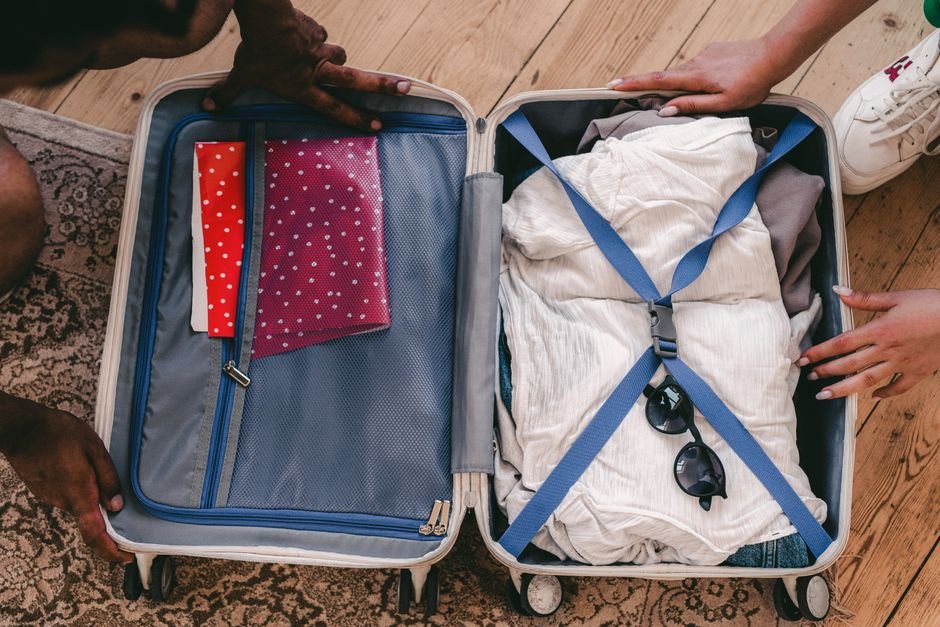
Your travel style determines what you need. Backpackers should focus on versatility. Multifunctional clothing, like zip-off pants, can save space and weight.
For luxury travelers, consider higher-end fabrics and stylish attire. Premium gear often includes features like water resistance, breathability, and UV protection.
If you're a family traveler, prioritize comfort for children. Fun, practical items like lightweight games or coloring materials can enhance downtime.
Adventure seekers should stock up on technical gear. Look for moisture-wicking clothing and durable hiking boots for challenging treks.
See also: What size backpack can you take on a plane
See also: What Size is a Standard Backpack?
Conclusion
By packing strategically, you're setting the stage for an unforgettable adventure through Kenya and Tanzania. Be prepared, respectful, and ready to immerse yourself in the natural beauty and rich culture of these incredible countries.