
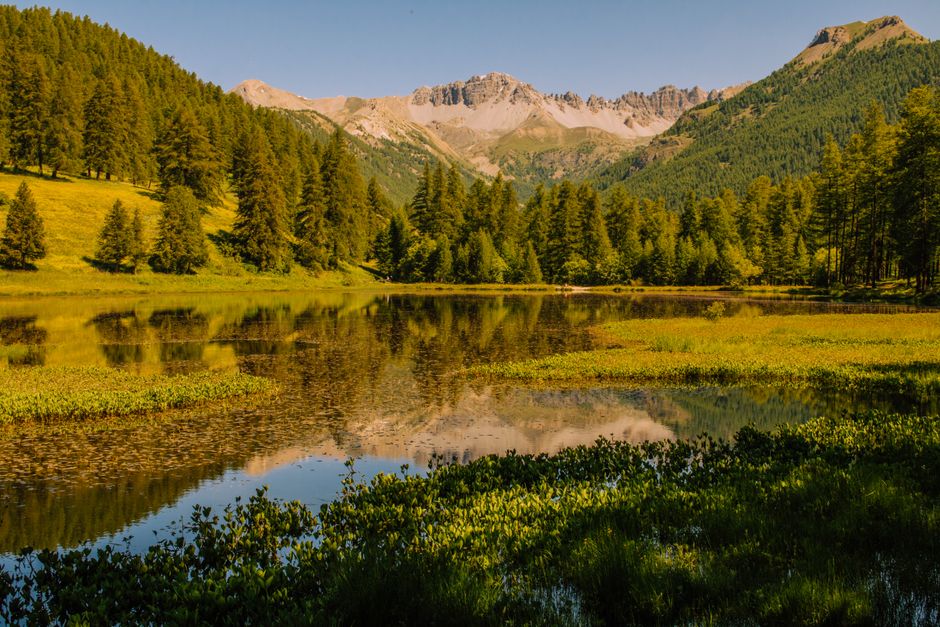
The Alps, with their breathtaking landscapes and diverse climate, are a popular destination for summer travelers. Whether you're planning to hike, explore picturesque villages, or simply enjoy the alpine environment, dressing appropriately is essential. This guide will help you pack the right clothing and gear to ensure a comfortable and enjoyable experience in the Alps during the summer months.
Understanding the Alpine Summer Climate
Temperature Variability
Summer in the Alps can range from warm and sunny in the valleys to cool and windy at higher altitudes. Daytime temperatures in the valleys often range between 20-25°C (68-77°F), while higher elevations can be significantly cooler, especially in the early morning and late evening.
Weather Changes
The weather in the Alps can change rapidly. It's not uncommon to experience sunny mornings, afternoon thunderstorms, and chilly evenings all in one day. Being prepared for these fluctuations is crucial.
Clothing Essentials for Alpine Adventures
Layering Basics
Layering is key to staying comfortable in the Alps. It allows you to add or remove clothing as the temperature changes. Here are the essential layers:
Base Layer
Choose moisture-wicking materials like merino wool or synthetic fabrics for your base layer. These materials help keep sweat away from your skin, keeping you dry and comfortable.
Mid Layer
A lightweight fleece or down jacket serves as a good mid-layer. This layer provides insulation and can be easily added or removed depending on the temperature.
Outer Layer
A waterproof and windproof jacket is essential. Even in summer, the Alps can experience sudden rain showers and strong winds, especially at higher altitudes.
Bottoms
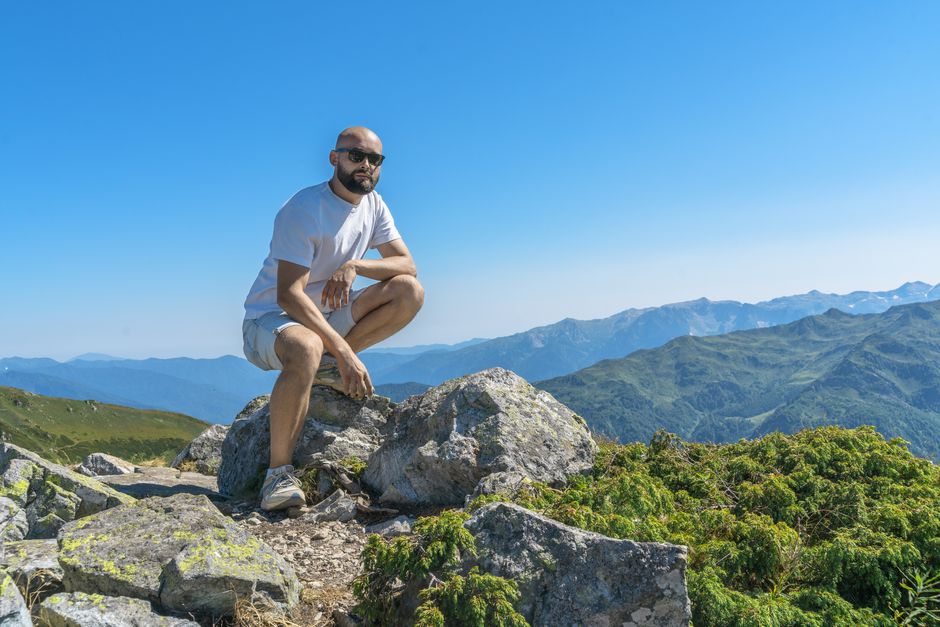
Opt for quick-drying hiking pants or shorts. Convertible pants that can be zipped off into shorts are a versatile option. Consider bringing a pair of lightweight, waterproof pants for unexpected rain.
Footwear
Sturdy hiking boots with good ankle support are a must for trekking in the Alps. Make sure they are well broken in to avoid blisters. Additionally, pack moisture-wicking socks to keep your feet dry and comfortable.
Accessories
Hats and Gloves
A wide-brimmed hat or cap is useful for sun protection, while a lightweight beanie and gloves can be handy for cooler mornings and evenings.
Sunglasses
High UV exposure at altitude makes sunglasses essential to protect your eyes. Choose a pair with good UV protection.
Buff or Scarf
A buff or scarf can protect your neck from the sun and also serve as a makeshift hat or face mask if needed.
Additional Gear
Daypack
A comfortable daypack with a capacity of 20-30 liters is ideal for carrying your essentials, including water, snacks, extra layers, and rain gear.
Hydration
Stay hydrated by carrying a reusable water bottle or hydration system. Water purification tablets or a portable filter can be useful if you plan to refill from natural sources.
Sun Protection
In addition to sunglasses and a hat, pack a high SPF sunscreen and lip balm to protect your skin from the intense alpine sun.
Trekking Poles
Trekking poles can provide stability and reduce strain on your knees during hikes, especially on steep or uneven terrain.
Common Mistakes to Avoid
Wearing the wrong fabric is a frequent error. Cotton, while comfortable, retains moisture and can lead to chills when temperatures drop. Opt for moisture-wicking materials that keep you dry and warm.
Another mistake is neglecting the importance of sun protection. Even on cloudy days, UV rays can penetrate. Use broad-spectrum sunscreen, and apply it generously.
Many travelers forget to check the local weather before heading out. Weather at higher altitudes can differ significantly, so always check conditions the night before your trip.
Maintenance Tips for Your Alpine Wardrobe
Proper care extends the life of your clothing. Wash your outdoor fabrics on a gentle cycle with a mild detergent. Avoid fabric softeners, as they can degrade moisture-wicking properties.
Always air dry your gear when possible. If you must use a dryer, choose a low heat setting. Regularly check zippers and seams for wear and repair them promptly to prevent further damage.
Who Each Option Suits
When selecting clothing, consider your activities. For hikers, lightweight, breathable fabrics are ideal. If you plan to rock climb, opt for durable materials that withstand abrasion. Active individuals benefit from moisture-wicking base layers, while those lounging will appreciate the comfort of cotton blends.
Travelers seeking versatility should focus on clothing that can transition easily. Look for items like zip-off pants or quick-dry shirts. Families may prioritize easy-to-wash, multi-use clothing that can handle spills and dirt. Tailor your choices to your specific needs.
Conclusion
Packing the right clothing and gear for a summer trip to the Alps is essential to ensure a comfortable and enjoyable experience. By understanding the climate and being prepared for variable weather conditions, you can make the most of your alpine adventure. What to wear in the Alps in the summer is an important aspect to consider.
Remember to layer your clothing, choose appropriate footwear, and carry necessary accessories to protect yourself from the elements. With the right preparation, you'll be ready to explore the stunning landscapes and diverse activities that the Alps have to offer.