
Why does my camp stove not ignite? Common reasons include lack of fuel, clogged burners, or improper priming, with nearly 20% of campers facing ignition concerns. To troubleshoot effectively, check your fuel supply, ensure the burner is clean, and follow the manufacturer's lighting instructions. This can transform your cooking experience from frustration to enjoyment by ensuring your camp stove fires up reliably.
Understanding the mechanics of your camp stove can simplify troubleshooting. Different fuel types, propane, butane, or multi-fuel, each have unique ignition requirements. This article provides clear insights into the typical causes for ignition failure along with straightforward solutions.

Key Factors Contributing to Ignition Failure
First, inspect the fuel supply. Clogged fuel lines are a frequent culprit, obstructing combustion. For liquid fuel stoves, sediment can accumulate in the lines. Always inspect the fuel lines and clear any blockages before assuming there’s a more serious issue. Cleaning the lines or connecting a new fuel line can often resolve the problem.
If you’re using a canister stove, confirm that it’s adequately filled and securely attached. Check for leaks or damage, especially at the connection points. In outdoor conditions, wind can also hinder ignition; a simple windbreak can significantly improve your stove’s performance.
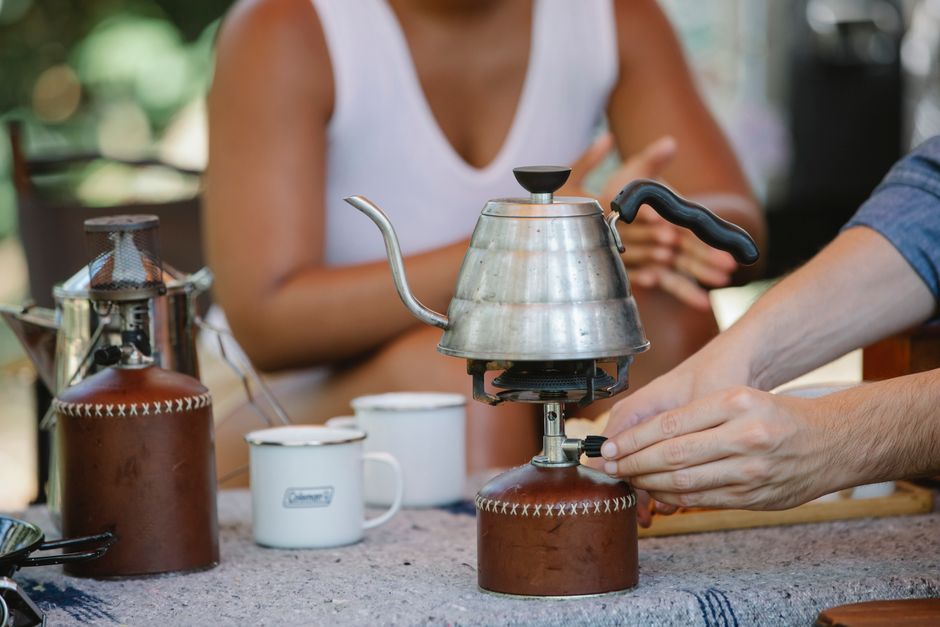
The Ignition System
The ignition system, typically a piezoelectric igniter or manual ignition, plays a pivotal role in lighting your stove. If you hear clicking but see no flame, the igniter may be faulty. Cleaning or replacing it is usually within the capabilities of most campers.
Always check its condition before your trip, and consider bringing waterproof matches or a reliable lighter as a backup in case the igniter fails.
Weather Conditions Impacting Ignition
Wind significantly affects a stove’s ability to ignite. Even light winds can extinguish flames or prevent them from lighting at all. In windy environments, utilize natural materials as windbreaks; this not only shelters your stove but can also improve fuel efficiency.
Temperature also influences ignition. In colder weather, liquid fuels can thicken, complicating ignition. Camping in low temperatures? Use canisters designed for cold conditions or keep your fuel near your body to warm it prior to use. Proper planning can prevent ignition headaches.
Importance of Regular Maintenance
Regular maintenance is crucial for preventing stove ignition failures. After each trip, inspect your stove, clearing fuel lines and checking the igniter for wear. Storing your gear in a dry location minimizes the risk of rust and corrosion, common problems that affect functionality.
Maintaining a clean and organized cooking setup is essential. Over time, debris can accumulate and obstruct fuel flow and igniting mechanisms. Consistent maintenance enhances your overall camping experience.
Avoid Common Mistakes
Common errors include mistaking a full tank for a working stove. To prevent issues, check the fuel level, shake the canister or weigh it before you leave home. Carrying a spare canister ensures that you won’t have to cut your cooking adventures short.
For multi-fuel stoves, miscalculating burn times may lead to frustration. Familiarize yourself with the burn time of different fuels based on your cooking methods to ensure adequate planning and avoid unpleasant surprises.
Immediate Actions for Ignition Issues
Ensure your camping stove’s fuel supply is adequate, the ignition system is operational, and weather conditions are suitable before cooking. If one method fails, consider alternatives and always keep a backup ignition source available. Remember that ignition issues can stem from a combination of factors, thorough troubleshooting is key.
A reliable camp stove is essential for a fulfilling outdoor experience. By prioritizing maintenance and staying aware of your gear, ignition problems can become a thing of the past.
Frequently Asked Questions
Why is my camping stove not lighting?
Your camping stove may not be lighting due to several reasons such as a clogged fuel line, insufficient fuel, or issues with the ignition system. Check that the fuel canister is properly connected and that the ignition mechanism is functioning correctly.
How do you fix a camping stove that won’t ignite?
To fix a camping stove that won’t ignite, start by checking the fuel supply to ensure it’s full and properly attached. Clean any debris from the burner and try using a lighter or match to ignite it manually if the ignition spark is weak.
What causes a camp stove to stop working?
A camp stove can stop working due to a lack of fuel, a blockage in the fuel line, or damage to the ignition components. Environmental factors, such as a buildup of dirt or rust, can also affect performance.
Can the wind affect camp stove ignition?
Yes, wind can significantly affect camp stove ignition by blowing out the flame or preventing the stove from reaching the right temperature for ignition. Shielding the stove from wind or using a windscreen can help mitigate this issue.
Is low fuel pressure a reason for ignition failure?
Yes, low fuel pressure can cause ignition failure because it may not provide enough fuel to create the necessary flame or pressure to ignite. Ensuring that the fuel canister is compatible and properly connected can help maintain the right pressure.