
Struggling to light your camping stove can turn an outdoor adventure into a frustrating ordeal. When you press that ignition button and nothing happens, you may wonder why your camping stove won’t ignite. A non-igniting stove can be a simple annoyance or a genuine safety concern if issues escalate.
From my own experiences and shared insights among fellow campers, I’ve identified the most common reasons for stove ignition failure and how you can fix them. Let’s dive into the key issues that could be stopping your stove from lighting and what you can do about it.
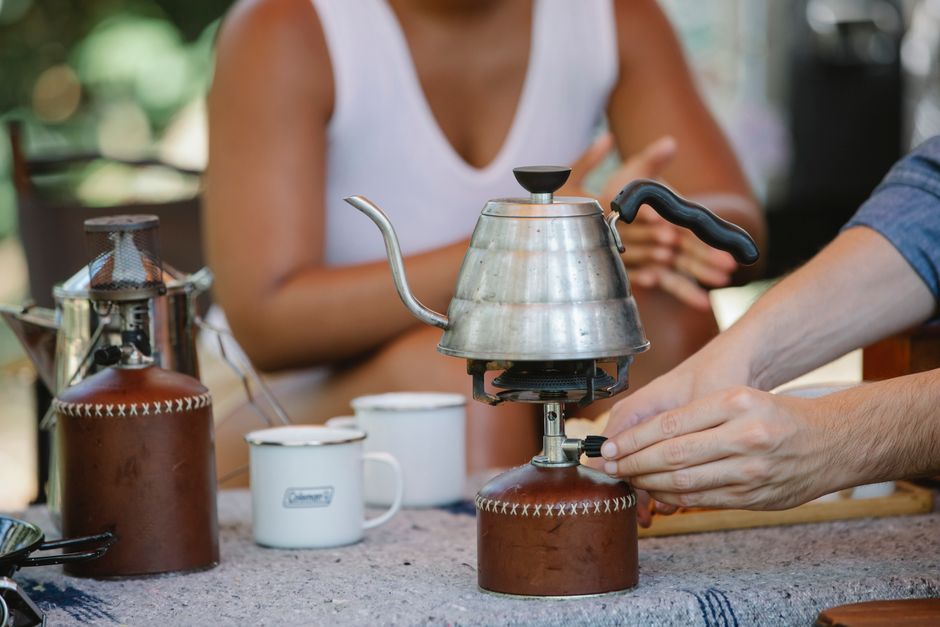
**Common Causes of Stove Ignition Failure**
One of the first things to check when your camping stove won’t ignite is the fuel source. If you’re using a propane stove, ensure the fuel canister is not empty or improperly connected. Many people mistakenly assume they have enough fuel left, only to find they don’t when it’s time to cook. Check the canister for any dents or leaks as well. A small crack is enough to leak fuel, leading to safety risks. If the fuel isn’t the issue, examine the ignition system itself.
Often, the igniter needs cleaning. Dirt and debris can block the spark, making it difficult to ignite the stove. Gently brush or wipe the igniter with a cloth. If that doesn’t work, it might be time to replace it. Many campers overlook this detail, but a clean igniter can make a world of difference.
Another surprising culprit can be an incompatible fuel type. I’ve heard from fellow campers who were struggling for hours, only to realize their stove required a different fuel than what they brought. Always double-check that you’re using the correct type of fuel canister for your stove.
**Understanding Various Ignition Systems**
Ignition systems in camping stoves can vary widely, and understanding how yours works is crucial. There are manual and automatic ignition systems. If your stove has an automatic ignition, and it keeps clicking without igniting, it might indicate a problem. It could be that the battery is dead or the piezo igniter is faulty.
For stoves with manual ignition, ensure you follow the correct sequence. Open the fuel valve before you attempt to ignite the burner to allow fuel to flow toward the igniter. I’ve observed that even seasoned campers sometimes forget this simple step.
**Weather’s Influence on Ignition Performance**
Temperature plays a significant role in stove performance. Cold weather can make propane less effective, as the gas doesn’t vaporize properly. In frigid conditions, consider preheating your fuel canister by placing it in a warm spot or using an insulating jacket designed for fuel canisters. If you’re camped in colder conditions, an understanding of how temperature affects ignition can help you troubleshoot efficiently.
Additionally, dampness can affect your stove’s igniter. If it’s been raining or if the stove was packed away wet, the ignition system may become less reliable. Make sure everything is dry before attempting to light your stove.

**Safety Considerations to Keep in Mind**
If you suspect a fuel leak or notice any hissing sounds when you turn the valve, immediately stop using the stove. It’s critical to prioritize safety in these situations. Disconnect the fuel canister and allow the stove to air out. A leaking stove may not just fail to ignite, it can also pose a fire risk. Regular camping gear maintenance is key to prevent these issues.
Check all connections and seals regularly. If you find cracked hoses or damaged fittings, replace them before their next outing. Investing time in these checks could mean the difference between a pleasant camping experience and a hazardous situation.
**Preventing Future Ignition Issues**
To avoid future ignition problems, establish a routine maintenance check before every trip. This should include:
– Inspecting and cleaning the igniter.
– Verifying fuel compatibility and levels.
– Checking for leaks in hoses or connections.
– Examining the stove for any physical damage.
Taking these steps can help preempt a lot of common problems. I can’t emphasize enough how beneficial it is to keep your camping gear in good condition. If you face issues frequently, it might be worth looking into a more reliable camping stove.
**When to Replace Your Camping Stove**
After examining everything, if you still find your camping stove won’t ignite, it may be time to consider an upgrade. Older stoves may not perform as reliably, and investing in a new one could prevent future headaches. Look for a model with a robust ignition system and good reviews regarding reliability.
If you’re unsure which stove to choose, I recommend checking out guides on camping stove options. For backpackers looking to travel light, certain models stand out for their portability without sacrificing functionality.
While you evaluate your options, consider safety and ease of use as priorities for your new purchase.
**Key Takeaways**
– Always check your fuel canister and connection.
– Clean the igniter regularly for optimal performance.
– Be mindful of weather conditions that could affect ignition.
– Prioritize safety and inspect for leaks or damage.
– Conduct pre-trip maintenance checks to always be prepared.
Facing ignition issues with a camping stove doesn’t have to ruin your outdoor fun. By understanding the common issues, maintaining your gear, and being mindful of the stove’s requirements, you can confidently tackle any cooking challenge during your adventures.
Frequently Asked Questions
Why does my camping stove keep clicking?
The answer to "why is my camping stove not igniting" often lies in a malfunctioning igniter or a weak battery, especially in piezoelectric models. Additionally, a buildup of debris or dirt around the igniter may hinder the spark, causing persistent clicking without ignition.
How can I fix a leaking camping stove?
To fix a leaking camping stovefirst, identify the source of the leak, which could be from the fuel canisterhose, or connection points. Tighten any loose fittings, replace damaged hoses, or use tape specifically designed for gas line repairs to seal leaks, ensuring safety.
Is it dangerous if my camping stove won't ignite?
Yes, it is dangerous if your camping stove won't ignite, as it may indicate a buildup of unlit gas, which can lead to an explosion if ignited accidentally. Always check for gas leaks and ensure proper ventilation in the area.
Can wind affect a camping stove's ignition?
Yes, wind can significantly affect a camping stove's ignition by dispersing the gas flame or blowing it out entirely. To mitigate this, try positioning the stove in a more sheltered area or using a windscreen designed for camping stoves.
What fuel is best for consistent ignition?
The best fuel for consistent ignition in camping stoves is propane, as it ignites easily and burns steadily. However, butane and multi-fuel options can also provide reliable performance, depending on the stove type and environmental conditions.