
Camping causes an estimated 67 million tons of carbon emissions annually, highlighting its environmental cost. Beyond the enjoyment it brings, it's crucial to recognize the significant impact camping has on ecosystems, from off-trail hiking that disrupts wildlife to littering that degrades natural habitats.
One of the most pressing concerns is the principle of “Leave No Trace.” Many campers intend to uphold this standard, yet the reality is often different. Every step taken off the beaten path and every fire built can leave lasting marks on the ecosystem, leading to questions about our responsibility as outdoor enthusiasts.
The Hidden Costs of Camping on Nature
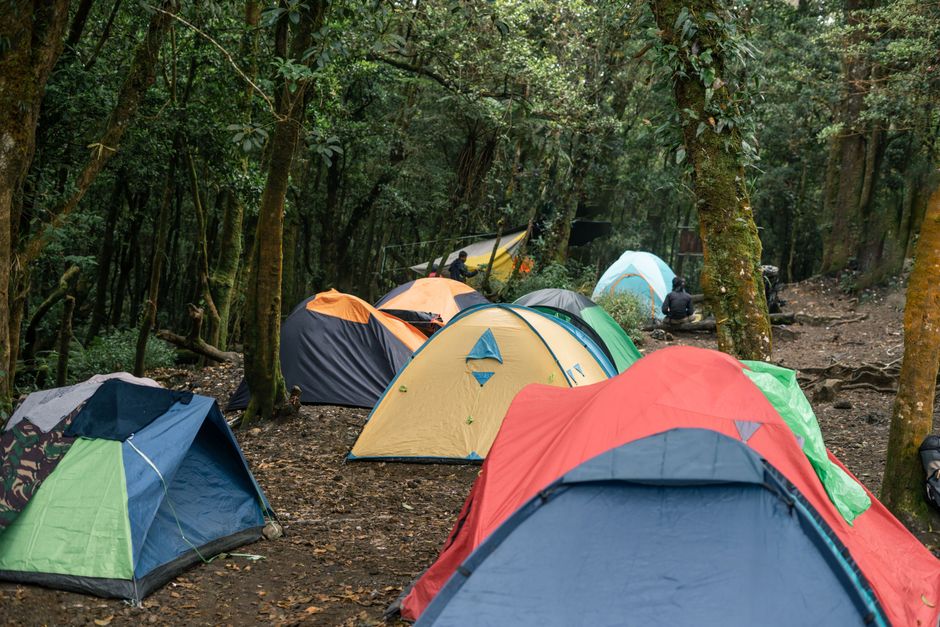
Every time you set up your tent in a new location, you’re making decisions that can have ramifications for the local environment. For instance, establishing a campsite in a fragile area can compact soil, damage vegetation, and disrupt local wildlife. Often overlooked, the mere act of placing a tent can lead to a degradation of the area that might not be immediately visible.
In my experience, many campers neglect to consider the long-term impacts of their actions. When you break branches for firewood or pick flowers for decoration, you might think it’s harmless. But those actions disrupt the stability of the surrounding ecosystem, which relies on native flora and fauna for balance.
This balance is crucial, as it ensures that plants and animals thrive and contribute to a healthy environment.
Common Environmental Impacts of Camping
Wildlife disturbance ranks high on the list of camping consequences. Campers often underestimate how close they may be to animal habitats, inadvertently scaring wildlife away. For example, if you’re not careful with food storage, you might attract animals that would otherwise stay away. That can lead to dangerous encounters and result in wildlife becoming overly reliant on human food.
This dependency harms their natural foraging instincts and creates further issues down the line.
Soil erosion is another hidden consequence. When multiple campers tread the same path to a scenic viewpoint or scenic water source, the widening trail can erode over time. According to environmental studies, increased foot traffic can lead to significant landscape alterations, such as increased runoff and decreased vegetation diversity. Campers often miss these subtle changes, which can take years to become evident.

Sustainable Camping Practices to Minimize Impact
Engaging in sustainable camping practices can make a difference. Techniques such as choosing established campsites, which are designed to minimize environmental impacts, significantly reduce soil and vegetation damage. Also, consider using biodegradable products whenever possible. From soap to trash bags, choosing biodegradable options ensures that your waste breaks down naturally and doesn’t contribute to pollution.
Implementing the “Leave No Trace” principles should be a fundamental part of camping. The principles include packing out what you pack in, using existing trails and campsites, and keeping campfires under control. For me, these practices have turned what once felt like a glorified picnic into a profound appreciation for preserving nature. It’s about leaving the place better than you found it.
Educating Others About Environmental Impact
One of the best ways to combat environmental impact is by fostering awareness among fellow campers. Share your insights on how specific actions can affect the environment, especially with novice campers who may not be aware. When you see trash left behind, take a moment to pick it up. It sets an example and encourages others to follow suit.
Even the smallest actions, like sharing information or offering advice, can have a ripple effect.
Through discussions, I’ve found that most people genuinely want to do better, they just don’t know what they don’t know. Highlight the importance of storing food properly or the benefits of using a portable stove rather than an open fire to cook.
I touch on the environmental impact of outdoor cooking in my article on it here: How Does Outdoor Cooking Affect the Environment. It’s a critical aspect of camping that often goes unrecognized.
Corporate Responsibility in the Camping Industry
The camping industry itself has a role to play. Many outdoor brands are becoming more eco-conscious, opting for sustainable materials and methods in manufacturing. As campers, you can actively support these brands by choosing eco-friendly gear. Seek out companies that prioritize sustainability, a sleeping bag made of recycled materials can make a difference.
Even small decisions, like opting for reusable over disposable products, can lead to significant environmental improvements. I recommend looking into lightweight camping stoves that promote efficient cooking, rather than depending on multiple single-use items. I feature some of my favorites in an article about the best lightweight camping stoves that are both practical and eco-friendly.
Our write-up on food safe picks up where this leaves off.
The Bottom Line on Camping and the Environment
To minimize environmental harm, campers should prioritize using established campsites and practicing Leave No Trace principles. This approach suits those who want to preserve nature while still enjoying outdoor experiences, ensuring that future generations can also appreciate these spaces.
Frequently Asked Questions
Why is camping bad for the environment?
Camping can lead to soil erosion, habitat destruction, and pollution if not managed properly. The trampling of vegetation, littering, and improper waste disposal can significantly disrupt local ecosystems.
How can camping positively impact nature?
Camping can foster a connection to nature, encouraging people to appreciate and protect the environment. Moreover, it can promote conservation efforts and funding for protected areas if managed sustainably.
What are sustainable camping practices?
Sustainable camping practices include using established campsites, adopting Leave No Trace principles, properly disposing of waste, and minimizing campfire impact. Additionally, choosing eco-friendly gear and respecting wildlife can further enhance sustainability.
Is it possible to camp without harming wildlife?
Yes, it is possible to camp without harming wildlife by maintaining a respectful distance from animals, storing food properly to avoid attracting them, and following guidelines for wildlife interactions. Educating oneself about local ecosystems also helps minimize negative impacts.
Can eco-friendly camping reduce environmental damage?
Eco-friendly camping can significantly reduce environmental damage by minimizing waste, preventing pollution, and preserving natural habitats. By using sustainable camping gear and methods, campers can lower their ecological footprint and promote the health of ecosystems.