
How does outdoor cooking affect the environment? It can significantly raise carbon emissions; for example, using a charcoal grill generates over 50% more carbon dioxide per kilogram of food compared to a propane grill. This disparity highlights the importance of selecting more sustainable cooking methods to minimize your environmental footprint while enjoying outdoor meals.
Many outdoor cooking enthusiasts prefer the smoky flavor of charcoal or the warmth of an open campfire. However, as research shows, these preferences come with a cost to the environment. Recognizing these impacts not only enhances our cooking experience but also encourages us to protect the planet.
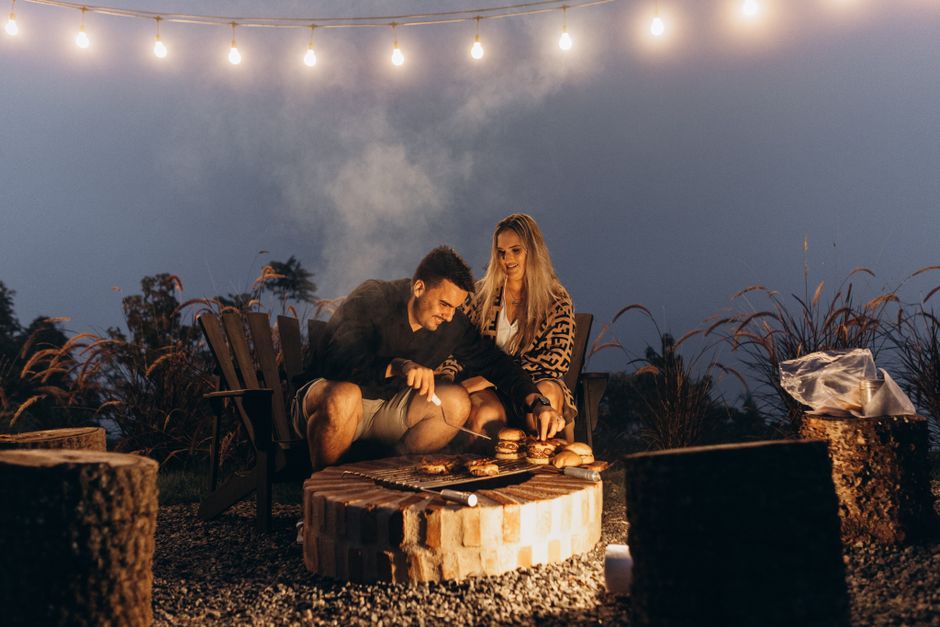
Carbon Emissions: Charcoal vs. Propane
The charcoal versus propane debate is vital for outdoor cooks concerned about their carbon emissions. Charcoal grills emit significantly more harmful gases, including particulate matter and carbon dioxide. Specifically, they generate over 50% higher carbon dioxide emissions per kilogram of food compared to propane. Frequent outdoor cooking with charcoal can therefore have serious implications for greenhouse gas levels.
Switching to propane can dramatically reduce your carbon footprint since propane produces approximately half the CO2 emissions of charcoal. Although both methods have environmental impacts, for those keen on minimizing their footprint while enjoying outdoor cooking, propane is the optimal choice.
Campfire Emissions: Understanding the Impact
Establishing a campfire may seem harmless, yet it can significantly affect air quality. Wood smoke releases harmful compounds, such as formaldehyde and benzene, which can be detrimental to health and contribute to local air pollution, particularly in urban areas.
To mitigate this, consider using cleaner-burning hardwoods or alternative fire sources, such as portable propane fire pitswhich maintain the same cozy atmosphere with less environmental harm.

Addressing Waste: The Cost of Convenience
Outdoor cooking often leads to substantial waste due to single-use items like plastic utensils, aluminum foil, and disposable plates. These convenience items create long-lasting environmental issues. Their production and disposal are far more detrimental compared to reusable alternatives.
Opting for biodegradable utensils or packing reusable dishes can significantly reduce waste. Transitioning to reusable items not only decreases environmental impact but also enhances your outdoor cooking experience by allowing you to use products you genuinely appreciate.
Consider Sustainable Cooking Methods
To lower your outdoor cooking footprint, it’s crucial to adopt sustainable cooking methods. Using a solar oven is a highly effective technique because it harnesses sunlight to cook meals, entirely eliminating carbon emissions. While solar cooking may take longer, its environmental benefits are substantial.
Efficient equipment, such as small camping stovesalso promotes sustainable practices. These stoves consume less fuel and provide precise heat control, minimizing energy wastage. For guidance on selecting the right stove, refer to my guide on small camping stove options.
Planning Ahead: A Key to Sustainability
Effective planning helps mitigate environmental damage from outdoor cooking. Being intentional about fuel types and cooking tools can significantly impact your ecological footprint. Always bring reusable grilling tools and steer clear of pre-packaged foods that generate excess waste.
Pre-preparing meals, such as vacuum-sealed options, reduces the complexity of outdoor cooking. This strategy minimizes waste and eliminates the need for multiple trips to set up your grill, all while ensuring a more enjoyable outdoor experience.
Stay Informed: Local Regulations Matter
Understanding local regulations can significantly influence your outdoor cooking practices. In many areas, open fires or charcoal grilling may be restricted due to air quality concerns or fire hazards. Being informed about these regulations promotes alignment with conservation efforts.
By recognizing the environmental impact of your outdoor cooking methods and adhering to local guidelines, you empower yourself to make environmentally responsible decisions while inspiring others to do the same.
Choose to Cook Responsibly Outdoors
Outdoor cooking is an opportunity to enjoy nature without harming it. By adopting practices that minimize waste, utilize cleaner fuels, and embrace sustainable methods, you can make a positive environmental impact. My experience demonstrates that mindfulness in cooking choices is essential to preserving our natural surroundings.
Verdict: Commit to Sustainable Practices
Outdoor cooking significantly affects the environment, but individuals have the power to make impactful changes. Propane stoves and solar ovens provide effective alternatives to traditional cooking methods. Additionally, being mindful of your choice in materials and preparation techniques plays a crucial role.
For an environmentally conscious outdoor cooking experience, prioritize propane stoves or solar ovens. If you frequently grill, reduce reliance on single-use items and commit to reusable alternatives. Thoughtful decision-making ensures that your outdoor cooking remains enjoyable while considerably reducing your carbon footprint.
Frequently Asked Questions
How does outdoor cooking contribute to pollution?
Outdoor cooking can contribute to air and soil pollution through the emissions generated by burning wood, charcoal, or propane. These activities release particulate matter, carbon monoxide, and other harmful pollutants that can degrade air quality and impact nearby ecosystems.
What are eco-friendly outdoor cooking options?
Eco-friendly outdoor cooking options include using solar cookers, portable camp stoves that utilize biofuels, or electric grills powered by renewable energy sources. Additionally, using sustainably sourced firewood and minimizing meat consumption can also reduce the environmental impact.
Can campfires harm the environment?
Yes, campfires can harm the environment by causing air pollution, contributing to deforestation when wood is improperly sourced, and posing a risk of wildfires if not managed correctly. The smoke from campfires can also impact wildlife and nearby habitats.
Why choose sustainable cooking methods outdoors?
Choosing sustainable cooking methods outdoors helps minimize environmental impact, reduce pollution, and conserve natural resources. Sustainable practices also promote health and safety for both users and the ecosystems surrounding outdoor cooking areas.
Is propane grilling better for the environment than charcoal?
Yes, propane grilling is generally considered better for the environment than charcoal because it produces fewer emissions and pollutants. Charcoal burning emits more particulate matter and carbon compared to propane, which burns cleaner and more efficiently.