
Vietnam is a captivating country with a rich cultural heritage and stunning landscapes, making it a popular destination for travelers from around the world. When planning your trip to Vietnam, one essential aspect to consider is what to wear. Understanding the local dress code and climate can help you pack appropriately and show respect for the local customs.
In this guide, we'll provide you with insights on what to wear in Vietnam to ensure a comfortable and culturally sensitive experience.
Climate Variations
Vietnam has a diverse climate due to its north-south geographical stretch. It's crucial to take into account the weather conditions during your visit. There are three main regions to consider:
Northern Vietnam
Hanoi and the surrounding areas have four distinct seasons. Winters (November to February) are chilly and may require warm clothing, while summers (June to August) are hot and humid. Spring (March to May) and autumn (September to October) are mild.
Central Vietnam
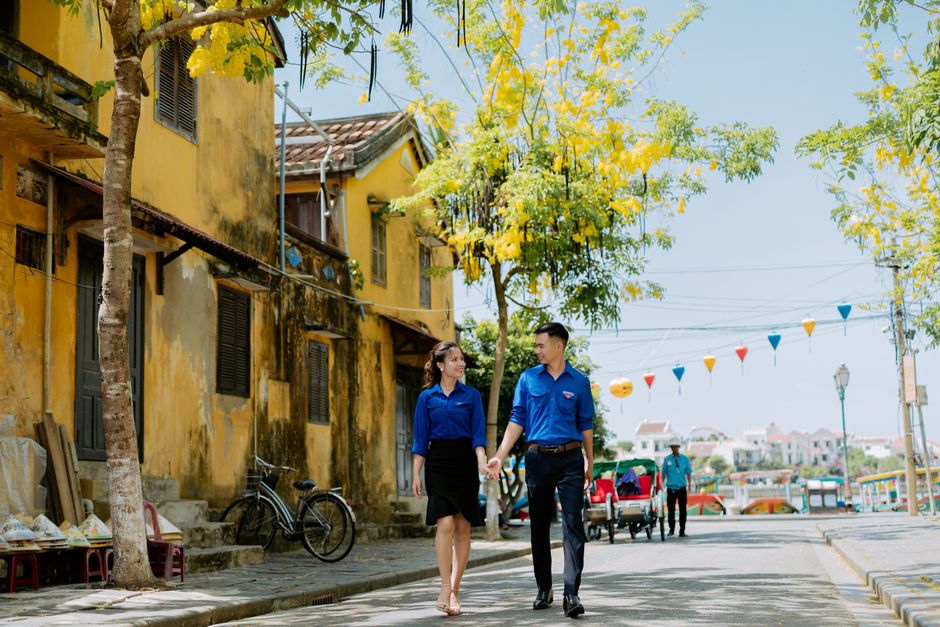
Places like Hue and Hoi An experience a tropical monsoon climate. The weather is warm all year round, with occasional heavy rains. Lightweight clothing is suitable, but a raincoat or umbrella is advisable, especially during the wet season (September to December).
Southern Vietnam
Ho Chi Minh City and the Mekong Delta have a tropical climate with high temperatures and humidity year-round. Lightweight, breathable clothing is essential, and don't forget sunscreen and a hat to protect yourself from the sun.
Dress Code Guidelines
Vietnam is a culturally diverse country with a blend of tradition and modernity. Understanding and respecting local customs is vital. Here are some dress code guidelines
Temples and Religious Sites
When visiting temples, pagodas, or religious sites, it's crucial to dress modestly. Wear clothing that covers your shoulders and knees. A long skirt, trousers, or a sarong paired with a sleeved blouse or shirt is a suitable choice.
Streetwear: For everyday wear, lightweight and breathable clothing is ideal. T-shirts, shorts, dresses, and comfortable footwear like sandals or sneakers are popular choices. Be respectful and avoid clothing with offensive slogans or designs.
Swimwear: Swimwear is acceptable at beaches and pools but should not be worn in public areas or when visiting religious sites. Pack a cover-up or sarong for transitioning from the beach to other locations.
Formal Occasions: If you plan to attend formal events or upscale restaurants, consider bringing some dressier attire. A nice dress or collared shirt with slacks will suffice.
Packing Essentials: To make packing for your trip to Vietnam easier, consider including these essential items:
Comfortable Walking Shoes: Vietnam's streets can be uneven, so comfortable and supportive footwear is a must.
Light Jacket or Sweater: Even in the warmer months, evenings in Northern Vietnam can get chilly.
Rain Gear: A compact umbrella or a lightweight raincoat will come in handy during the wet season.
Sun Protection: Sunscreen, sunglasses, and a wide-brimmed hat are essential for protection against the strong sun, especially in the southern regions.
Mosquito Repellent: In some areas, mosquitoes can be a nuisance. Pack repellent to stay comfortable.
Adapter and Voltage Converter: Vietnam uses Type A, C, and D electrical outlets, so bring the appropriate adapter and voltage converter if necessary.
Practical Tips for Packing
When packing for Vietnam, start by creating a checklist. Bring lightweight clothing made from breathable materials like cotton or linen. Include items that mix and match easily, such as neutral tops and versatile bottoms.
Don’t forget to add a light rain jacket or poncho, especially during the wet season. A good pair of walking shoes is essential, so opt for comfortable, sturdy footwear. Consider bringing flip-flops, ideal for hot weather and relaxing.
Pack a sarong or shawl to use as a beach cover-up or for warmth in cooler regions. Roll your clothes instead of folding them to save space. Use compression bags to keep your items organized.
Common Clothing Mistakes to Avoid
Many travelers overlook the significance of local customs and weather when choosing their attire. Wearing shorts and tank tops can be disrespectful in more conservative areas, particularly around temples. Always opt for knee-length shorts and sleeved tops in such locations.
Another frequent error is not considering the humidity. Heavy fabrics can become uncomfortable quickly. Remember, lightweight clothes can keep you cooler.
- Don’t bring too many fancy outfits; casual wear is more typical.
- Avoid bringing lots of dark colors, as they absorb heat.
- Leave behind wardrobe staples like jeans, which can be too hot.
Lastly, many forget about sun protection. A wide-brimmed hat and sunglasses are vital for shielding yourself from intense sun exposure.
Maintenance and Care for Your Wardrobe
Maintaining your clothing in Vietnam is simple but important. Prioritize clothing that is machine washable and quick-drying. Consider packing a small travel detergent for laundry.
Make sure to hand wash delicate items like silk, which is locally popular. Always rinse well to avoid soap residue, and hang clothing to air dry away from direct sunlight to protect colors.
Regularly check for any stains and treat them immediately, as humidity can set stains quickly. If you plan to hike or get dirty, choose clothes that can withstand wear and tear.
Who Each Option Suits
Lightweight cotton tops and shorts are ideal for younger travelers who prioritize comfort. If you enjoy hiking, bring moisture-wicking fabrics designed for outdoor activities.
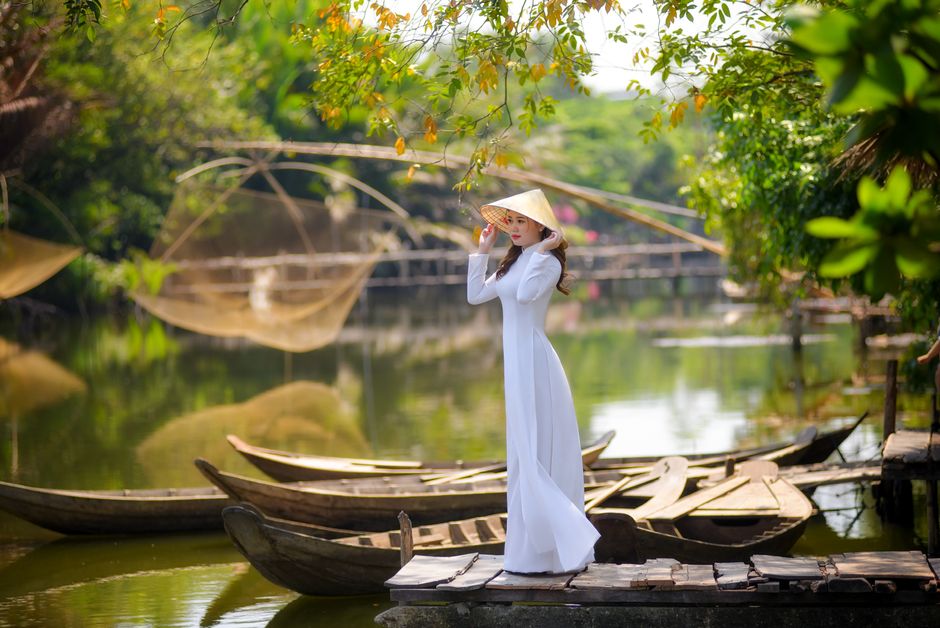
Cultural attire, such as the Ao Dai, suits those wanting to immerse themselves in local traditions and photography. Conversely, frequent business travelers might opt for smart-casual attire to navigate more formal settings.
Families should consider quick-dry items for kids, especially for water activities, while older travelers may prefer loose, breathable clothing for easy movements and comfort.
Conclusion
Packing the right clothing for your trip to Vietnam is not only about comfort but also about showing respect for the local culture. By adhering to dress code guidelines, you can have a more enjoyable and culturally sensitive experience in this beautiful country. Remember to check the specific weather conditions for your travel dates and adapt your wardrobe accordingly. Enjoy your trip to Vietnam!
For more insights on What to Wear in Vietnam, check out comprehensive packing lists that will help you prepare better.
See also: What to Wear for Red Sea Holidays