
As contactless payment cards and RFID-enabled identification cards become increasingly common, RFID-blocking wallets have gained popularity among consumers seeking additional security. In today’s digital world, protecting personal information has become more important than ever. Among the many options available, slim RFID wallets and bifold RFID wallets are two of the most popular choices.
While both offer RFID protection, they differ significantly in design, capacity, convenience, and style. Understanding these differences can help you choose the wallet that best suits your lifestyle and daily needs.
What Is an RFID Wallet?
RFID stands for Radio Frequency Identification. Many modern credit cards, debit cards, access cards, and identification cards contain RFID chips that allow wireless communication over short distances.
An RFID wallet is designed with special shielding materials that block radio signals, helping prevent unauthorized scanning of your cards. Whether you choose a slim wallet or a bifold wallet, RFID protection adds an extra layer of security for your sensitive information.
What Is a Slim RFID Wallet?
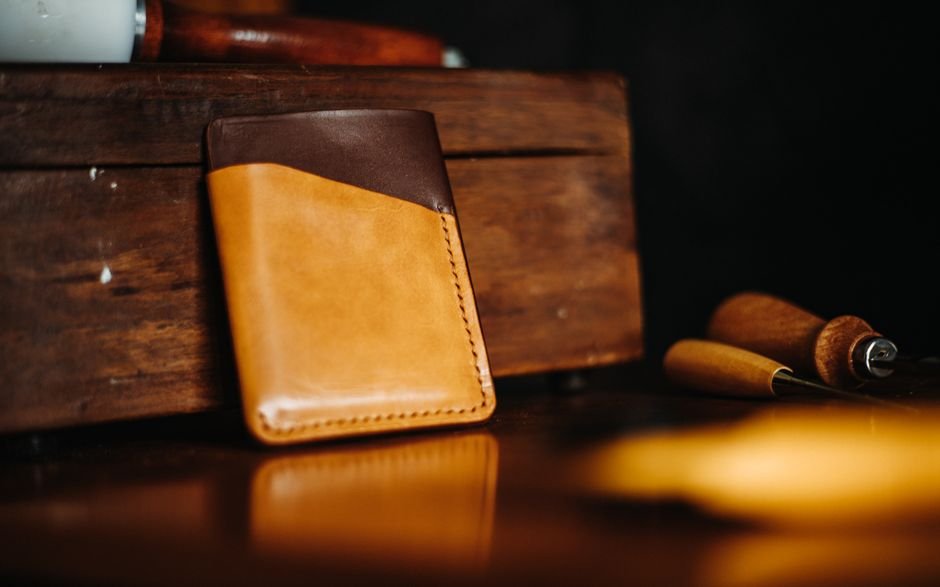
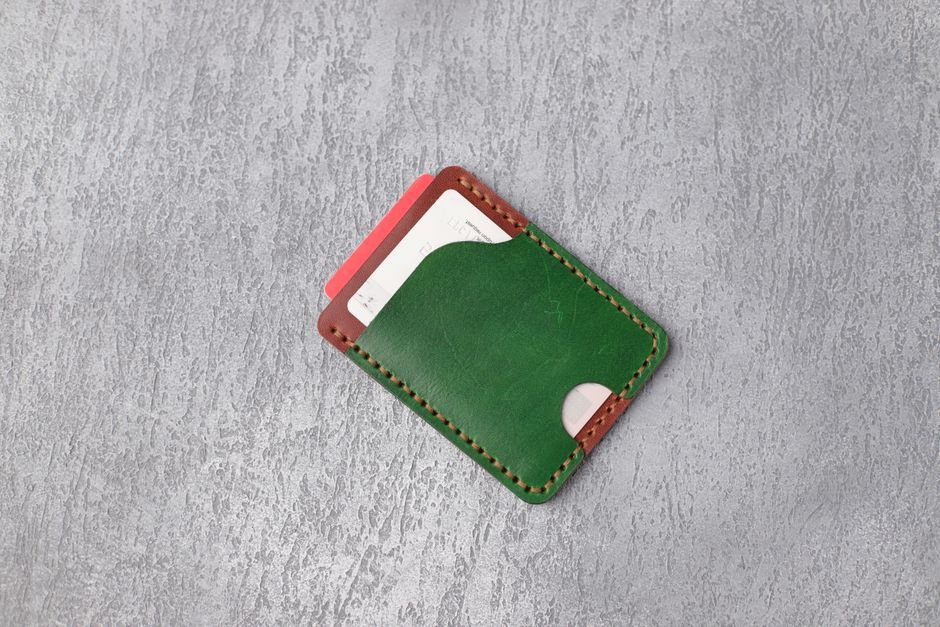
A slim RFID wallet is a compact wallet designed to carry only essential items. It focuses on minimalism, convenience, and portability while incorporating RFID-blocking technology.
These wallets typically hold:
- A few credit or debit cards
- Identification cards
- Limited cash
- Business cards
Slim RFID wallets are usually small enough to fit comfortably in front pockets without creating bulk.
Advantages of a Slim RFID Wallet
1. Compact and Lightweight
One of the biggest benefits of a slim RFID wallet is its compact design. It eliminates unnecessary bulk, making it ideal for people who prefer carrying only essentials.
2. Comfortable to Carry
Because of its smaller size, a slim wallet fits easily into front pockets, reducing discomfort when sitting or walking.
3. Modern and Minimalist Appearance
Slim wallets often feature sleek and contemporary designs. They appeal to professionals, travelers, and individuals who appreciate minimalist lifestyles.
4. Encourages Organization
Since space is limited, users are less likely to accumulate unnecessary cards, receipts, and other clutter.
5. Better Pocket Profile
A slim wallet creates a cleaner appearance and prevents pockets from bulging.
Disadvantages of a Slim RFID Wallet
1. Limited Storage Capacity
Slim wallets are not ideal for people who carry numerous cards, cash, receipts, or membership cards.
2. Less Suitable for Frequent Cash Users
Individuals who regularly carry large amounts of cash may find the storage space insufficient.
3. Learning Curve
Users transitioning from traditional wallets may need time to adapt to carrying fewer items.
What Is a Bifold RFID Wallet?
A bifold RFID wallet is a traditional wallet design that folds once in the middle. It combines RFID-blocking protection with the familiar layout that many people have used for years.
Typical features include:
- Multiple card slots
- Cash compartment
- Identification window
- Additional pockets for receipts and documents
Bifold wallets offer greater storage capacity while maintaining a classic appearance.
Advantages of a Bifold RFID Wallet
1. Larger Storage Capacity
Bifold wallets can accommodate more cards, cash, receipts, and personal documents than slim wallets.
2. Traditional Design
Many people prefer the familiar layout and accessibility of a bifold wallet.
3. Better Organization Options
The additional compartments allow users to separate cards, cash, receipts, and identification cards more effectively.
4. Suitable for Daily Use
For those who carry multiple cards and frequently use cash, a bifold wallet provides practical convenience.
5. Professional Appearance
Leather bifold RFID wallets often convey a classic and sophisticated look suitable for business settings.
Disadvantages of a Bifold RFID Wallet
1. Bulkier Design
The increased storage capacity often results in a thicker wallet, especially when fully loaded.
2. Less Comfortable in Front Pockets
Many bifold wallets are designed for back-pocket carry, which may not be as comfortable as a slim wallet.
3. Can Encourage Clutter
Extra storage space often leads users to accumulate old receipts, expired cards, and unnecessary items.
Slim RFID Wallet vs Bifold RFID Wallet: Key Differences
Size and Portability
Slim RFID wallets are significantly smaller and lighter than bifold wallets. They are designed for people who prioritize portability and convenience.
Bifold wallets, while still portable, generally occupy more pocket space and create a larger profile.
Winner: Slim RFID Wallet
Storage Capacity
Bifold wallets clearly outperform slim wallets when it comes to storage. They can carry more cards, cash, and documents without difficulty.
Winner: Bifold RFID Wallet
Comfort
A slim wallet offers superior comfort, especially when carried in front pockets. It reduces pressure on the body and minimizes pocket bulge.
Winner: Slim RFID Wallet
Organization
Bifold wallets provide more compartments and dedicated storage areas, making organization easier for users who carry numerous items.
Winner: Bifold RFID Wallet
Style
Style preferences vary from person to person. Slim wallets often appeal to modern minimalists, while bifold wallets attract those who prefer traditional elegance.
Winner: Depends on Personal Preference
Security
Both wallet types offer similar RFID-blocking protection when manufactured using quality RFID-shielding materials.
Winner: Tie
Which Wallet Is Best for Travelers?
Frequent travelers often prefer slim RFID wallets because they:
- Fit comfortably in front pockets
- Reduce pickpocketing risks
- Take up less space
- Keep essential cards organized
However, travelers carrying multiple currencies, travel documents, and several cards may find a bifold wallet more practical.
Which Wallet Is Best for Business Professionals?
Business professionals can benefit from either option depending on their needs.
A slim RFID wallet works well for professionals who primarily use digital payments and carry only a few cards.
A bifold RFID wallet may be better for those who regularly carry business cards, receipts, and multiple payment cards.
Which Wallet Is More Durable?
Durability depends largely on materials and construction quality rather than wallet style.
Common durable materials include:
- Genuine leather
- Full-grain leather
- Aluminum
- Carbon fiber
- Stainless steel
- High-quality synthetic materials
Both slim and bifold RFID wallets can provide years of reliable use when made from premium materials.
Factors to Consider Before Buying
Before choosing between a slim RFID wallet and a bifold RFID wallet, consider the following:
Number of Cards You Carry
If you carry fewer than 8 cards, a slim wallet may be sufficient. If you carry many cards, a bifold wallet is often the better choice.
Cash Usage
People who frequently use cash may appreciate the larger cash compartment found in bifold wallets.
Pocket Preference
Front-pocket users typically prefer slim wallets, while back-pocket users may find bifold wallets more convenient.
Lifestyle
Minimalists and travelers often favor slim wallets. Traditional users and professionals who need extra storage may prefer bifold wallets.
Budget
Both wallet styles are available across a wide range of price points, from affordable options to luxury designer models.
Conclusion
The choice between a slim RFID wallet and a bifold RFID wallet ultimately depends on your lifestyle and carrying habits.
A slim RFID wallet is ideal for individuals who value minimalism, portability, comfort, and modern design. It works best for those who carry only essential cards and limited cash.
A bifold RFID wallet is better suited for people who need greater storage capacity, prefer a traditional wallet design, and regularly carry multiple cards, cash, receipts, or business documents. You can find a selection of the best slim wallets that meet these criteria.
Both options provide valuable RFID protection, so the best choice comes down to balancing convenience, storage needs, and personal style preferences. By evaluating