
As digital payment methods and contactless cards become increasingly common, concerns about electronic theft and identity fraud have led many travelers to invest in RFID-blocking wallets. However, when shopping for these products, consumers often encounter terms such as “RFID Wallet Airport Security” and “RFID Wallet TSA Approved.” While these phrases may sound similar, they refer to different concepts and can sometimes create confusion.
This article explains what RFID wallets are, how they work, and the differences between airport security compatibility and TSA-related claims. Understanding these distinctions can help travelers make informed purchasing decisions and avoid misleading marketing terminology.
What Is an RFID Wallet?
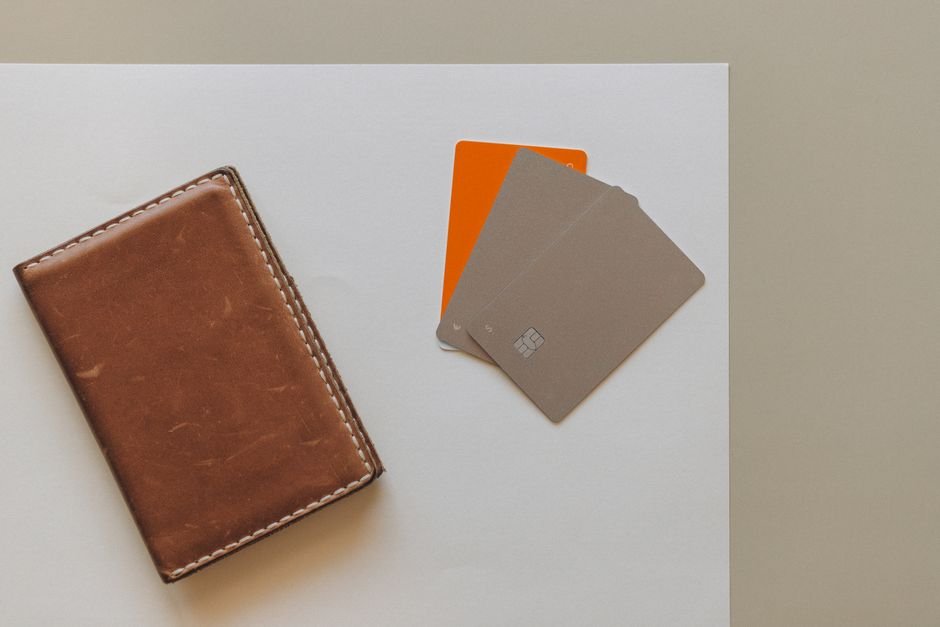
An RFID wallet is a wallet designed to block Radio Frequency Identification (RFID) signals. Many modern credit cards, debit cards, passports, and identification cards contain RFID chips that allow contactless communication with scanners.
RFID-blocking wallets use specialized materials, often metal-infused fabrics or conductive layers, to create a shield around cards and documents. This shield helps prevent unauthorized scanners from accessing the information stored on RFID-enabled items.
The primary purpose of an RFID wallet is to provide an additional layer of protection against electronic skimming attempts, especially in crowded locations such as airports, train stations, shopping centers, and tourist attractions.
RFID Wallets and Airport Security
Many travelers wonder whether RFID wallets interfere with airport security procedures. In general, RFID wallets do not create problems during airport screening.
Airport security systems are designed to detect prohibited items, dangerous materials, and security threats. The RFID-blocking materials used in wallets are typically harmless and do not trigger alarms simply because they block radio signals.
Travelers can usually place RFID wallets in carry-on luggage, personal bags, or security trays without any issues. Security scanners can still inspect the wallet and its contents through standard screening procedures.
Benefits of RFID Wallets During Air Travel
Using an RFID wallet while traveling may provide several advantages:
- Protection against unauthorized RFID scanning in crowded terminals
- Secure storage for passports and contactless payment cards
- Reduced risk of accidental card scans
- Convenient organization of travel documents
Because airports often contain large numbers of travelers and electronic devices, many people prefer using RFID wallets as an extra precaution against potential digital theft.
What Does “TSA Approved” Mean?
The term “TSA Approved” refers to standards or requirements associated with the Transportation Security Administration (TSA) in the United States.
When a product is described as TSA approved, it generally means that it complies with TSA regulations or is designed to work conveniently within TSA screening procedures. Common examples include TSA-approved luggage locks and travel accessories.
However, there is an important distinction regarding RFID wallets.
Are RFID Wallets Officially TSA Approved?
In most cases, there is no official TSA certification program specifically for RFID wallets. The TSA does not generally issue formal approvals for RFID-blocking wallets in the same way it recognizes certain luggage lock standards.
As a result, many products marketed as “TSA approved RFID wallets” are simply indicating that the wallet can be carried through airport security without violating TSA rules.
Consumers should understand that the phrase is often used as a marketing term rather than proof of official government certification.
RFID Wallet Airport Security vs TSA Approved: Key Differences
Purpose
RFID Wallet Airport Security
- Focuses on whether the wallet can be used safely and conveniently while traveling through airports.
- Addresses concerns about security checkpoints and screening procedures.
RFID Wallet TSA Approved
- Suggests compatibility with TSA travel requirements.
- Often used as a marketing label rather than an official certification.
Consumer Concern
Airport Security
- Will the wallet cause problems during screening?
- Can it pass through scanners without issues?
TSA Approved
- Is the wallet permitted for air travel?
- Does it meet general travel regulations?
Official Recognition
Airport Security Compatibility
- Based on practical use and traveler experience.
TSA Approved Claims
- Usually not backed by a specific TSA approval program for RFID wallets.
Main Benefit
Airport Security Compatibility
- Smooth travel experience.
RFID Protection
- Safeguarding RFID-enabled cards and documents from unauthorized scanning.
Common Myths About RFID Wallets
Myth 1: RFID Wallets Cannot Pass Through Airport Security
This is false. RFID wallets are routinely carried through airport security checkpoints without difficulty.
Myth 2: Every RFID Wallet Is TSA Certified
There is no widely recognized TSA certification specifically for RFID wallets. Shoppers should be cautious when evaluating such claims.
Myth 3: RFID Wallets Guarantee Complete Identity Protection
RFID blocking can help protect certain contactless cards and documents, but it does not prevent all forms of identity theft, cybercrime, phishing, or data breaches.
Myth 4: All Wallets Provide the Same Level of RFID Protection
The effectiveness of RFID blocking depends on the materials, construction quality, and design of the wallet. Some products offer stronger shielding than others.
How to Choose the Right RFID Wallet for Travel
When selecting an RFID wallet, consider the following factors:
Material Quality
Look for durable materials that can withstand frequent travel and everyday use.
RFID Shielding Performance
Choose wallets that clearly specify RFID-blocking technology and testing standards.
Capacity
Consider how many cards, passports, cash, and travel documents you typically carry.
Size and Comfort
A travel wallet should fit comfortably in a pocket, purse, backpack, or carry-on bag.
Travel Features
Some RFID wallets include:
- Passport holders
- Boarding pass compartments
- Coin pockets
- Zipper closures
- Pen holders
- SIM card storage
Brand Reputation
Research customer reviews and manufacturer credibility before purchasing.
Are RFID Wallets Worth It for Travelers?
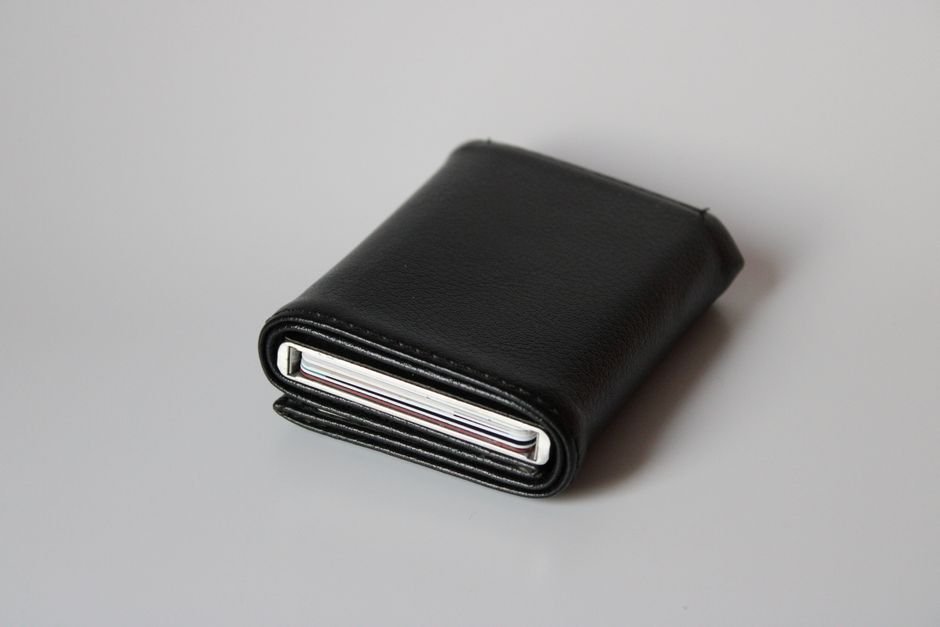
For frequent travelers, RFID wallets can provide peace of mind when carrying contactless payment cards and RFID-enabled passports. While the actual risk of RFID skimming varies depending on circumstances, many people appreciate the added layer of protection. For more information on whether RFID wallets can go through airport security, you can check this article on RFID Wallet Airport Security.
The cost of an RFID wallet is often relatively low compared to the potential inconvenience of dealing with lost cards, fraudulent transactions, or compromised personal information.
Conclusion
The terms “RFID Wallet Airport Security” and “RFID Wallet TSA Approved” are often used interchangeably, but they refer to different ideas. Airport security compatibility focuses on whether the wallet can be carried and screened without issues during air travel. TSA-approved claims generally suggest compliance with travel requirements, although there is typically no official TSA certification specifically for RFID wallets.
For most travelers, the key considerations should be RFID protection quality, durability, organization, and overall convenience. By understanding the distinction between airport security compatibility and TSA-related marketing claims, consumers can choose an RFID wallet that best meets their travel and security needs.