
RFID Blocking Travel Wallet Carry-On vs RFID Neck Pouch, the latter is more effective for travelers seeking immediate access to important documents while securing personal information from unauthorized RFID scans. With contactless credit cards and RFID-enabled passports now commonplace, using these protective accessories is essential for safeguarding sensitive data on the go.
As a result, RFID-blocking travel accessories have gained popularity, with two of the most common options being RFID-blocking carry-on travel wallets and RFID neck pouches.
While both products are designed to safeguard sensitive information from electronic theft, they serve different purposes and offer unique advantages. Understanding the differences between these travel accessories can help travelers choose the option that best suits their needs.

Understanding RFID Protection
RFID stands for Radio Frequency Identification, a technology used in passports, identification cards, hotel key cards, and contactless payment cards. RFID-blocking materials are designed to prevent radio signals from accessing the data stored on these items.
Although the actual risk of RFID theft is often debated, many travelers prefer an extra layer of protection, especially when visiting crowded airports, train stations, tourist attractions, and international destinations.
What Is an RFID Blocking Travel Wallet?
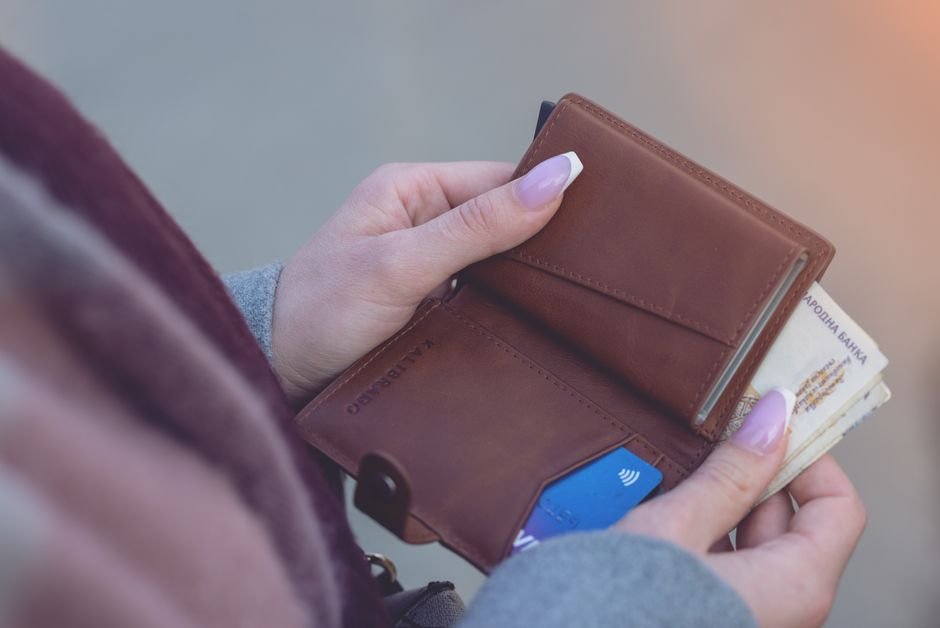
An RFID-blocking travel wallet is a compact organizer designed to store travel essentials such as passports, credit cards, boarding passes, currency, and travel documents. The wallet contains RFID-shielding materials that help prevent unauthorized scans.
Key Features
- RFID-blocking technology
- Multiple card slots
- Passport compartment
- Currency pocket
- Zipper or snap closure
- Compact design for carry-on luggage or personal bags
Advantages of RFID Travel Wallets
1. Easy Organization
Travel wallets provide dedicated compartments for important items, making it easy to access passports, tickets, and payment cards quickly.
2. Professional Appearance
Many RFID wallets feature sleek designs that appeal to business travelers and frequent flyers who prefer a polished look.
3. Convenient Accessibility
Unlike concealed storage options, a travel wallet allows travelers to retrieve documents quickly during airport security checks and boarding procedures.
4. Lightweight and Portable
Most RFID wallets fit comfortably into handbags, backpacks, or carry-on luggage without taking up significant space.
Disadvantages of RFID Travel Wallets
1. More Visible to Pickpockets
Because the wallet is typically carried in a bag or pocket, it may be easier for thieves to locate.
2. Limited Concealment
Travel wallets prioritize organization rather than hidden security, making them less suitable for high-risk destinations.
3. Potential for Misplacement
A wallet can be accidentally left behind in restaurants, hotels, or airport lounges.
What Is an RFID Neck Pouch?
An RFID neck pouch is a wearable travel accessory that hangs around the neck and is typically worn underneath clothing. It contains RFID-blocking materials and secure compartments for storing valuables.
Key Features
- RFID-blocking fabric
- Adjustable neck strap
- Hidden design
- Multiple zippered compartments
- Lightweight construction
- Sweat-resistant backing in some models
Advantages of RFID Neck Pouches
1. Enhanced Security
Because the pouch is worn under clothing, it is much harder for pickpockets to access without detection.
2. Hands-Free Convenience
Travelers can keep passports, cash, and cards close to their body while keeping their hands free.
3. Reduced Theft Risk
Concealed storage significantly lowers the likelihood of opportunistic theft in crowded environments.
4. Ideal for International Travel
Neck pouches are particularly useful in busy tourist areas, public transportation systems, and destinations known for pickpocketing.
Disadvantages of RFID Neck Pouches
1. Less Convenient Access
Retrieving documents often requires opening outer clothing layers, which can be inconvenient at airport checkpoints.
2. Comfort Concerns
Some travelers find neck pouches uncomfortable during long days of sightseeing or in hot climates.
3. Limited Style Appeal
Neck pouches are designed primarily for function rather than appearance.
RFID Travel Wallet vs RFID Neck Pouch: Direct Comparison
Security
When it comes to theft prevention, the RFID neck pouch generally offers superior security because it remains concealed beneath clothing. A travel wallet, while protected against RFID scanning, remains more exposed to physical theft.
Winner: RFID Neck Pouch
Accessibility
Travel wallets allow quick access to passports, tickets, and cards without requiring travelers to adjust their clothing.
Winner: RFID Travel Wallet
Comfort
Travel wallets are often more comfortable because they can be carried in a bag or pocket. Neck pouches may become uncomfortable during extended wear.
Winner: RFID Travel Wallet
Organization
Most RFID wallets provide more structured compartments and better document organization.
Winner: RFID Travel Wallet
Theft Protection
For crowded cities, public transit, and high-tourism areas, concealed neck pouches offer an additional layer of protection against pickpockets. RFID Neck Pouch can be particularly effective in these situations.
Winner: RFID Neck Pouch
Versatility
Travel wallets can be used both during travel and in everyday life, whereas neck pouches are generally reserved for travel situations.
Winner: RFID Travel Wallet
Which Option Is Best for Different Types of Travelers?
Business Travelers
Business travelers often prioritize quick access to documents and a professional appearance. An RFID-blocking travel wallet is usually the better choice.
Backpackers
Backpackers frequently visit crowded transportation hubs and may carry important documents for extended periods. An RFID neck pouch provides enhanced security.
Family Travelers
Families often need quick access to multiple passports, boarding passes, and travel documents. A travel wallet offers better organization and convenience.
Solo International Travelers
For solo travelers exploring unfamiliar destinations, a neck pouch can provide added peace of mind by keeping valuables hidden.
Adventure Travelers
Those participating in outdoor activities may benefit from a neck pouch because it keeps essential documents secure and close to the body.
Can You Use Both?
Many experienced travelers choose to use both accessories. They keep frequently used items such as boarding passes and payment cards in an RFID travel wallet while storing backup cash, passports, and emergency documents in an RFID neck pouch worn discreetly under clothing.
This combination provides both convenience and security, making it a practical solution for extended international travel.
Related reading: carry on vs checked bag.
There is more on carry on tech organization elsewhere on the site.
We cover rfid blocking wallet vs nfc in more depth separately.
Related reading: rfid blocking card holder vs.
Worth reading alongside this: rfid blocking wallet travel vs.
Worth reading alongside this: rfid blocking wallet travel vs.
We cover expandable carry on vs non in more depth separately.
If that matters to you, our piece on expandable carry on vs non goes further.
Conclusion
Both RFID-blocking travel wallets and RFID neck pouches offer valuable protection for modern travelers. The right choice depends on individual travel style, destination, and security concerns. Travelers who value organization, accessibility, and everyday usability may prefer an RFID travel wallet. Those prioritizing concealment and theft prevention may find an RFID neck pouch to be the better option.
Ultimately, neither accessory is universally superior. The best travel security strategy often combines RFID protection, situational awareness, and smart travel habits. By selecting the right travel accessory and remaining vigilant, travelers can enjoy greater peace of mind throughout their journeys.