
As a result, RFID-blocking wallets have become popular among consumers looking for added security. In today’s digital world, protecting personal and financial information has become increasingly important. Contactless payment cards and RFID-enabled identification cards offer convenience, but they have also raised concerns about unauthorized scanning and electronic theft.
Two of the most common options are leather RFID wallets and aluminum RFID wallets. While both are designed to protect your cards from unwanted RFID scans, they differ significantly in terms of style, durability, capacity, comfort, and functionality. Understanding these differences can help you choose the wallet that best fits your lifestyle and needs.

What Is an RFID Wallet?
RFID stands for Radio Frequency Identification. Many modern credit cards, debit cards, access cards, and passports contain RFID chips that communicate wirelessly with readers. RFID wallets are designed with materials that block these radio signals, helping prevent unauthorized access to sensitive information.
Both leather and aluminum RFID wallets provide RFID protection, but they achieve it in different ways due to their construction materials and design.
Overview of Leather RFID Wallets
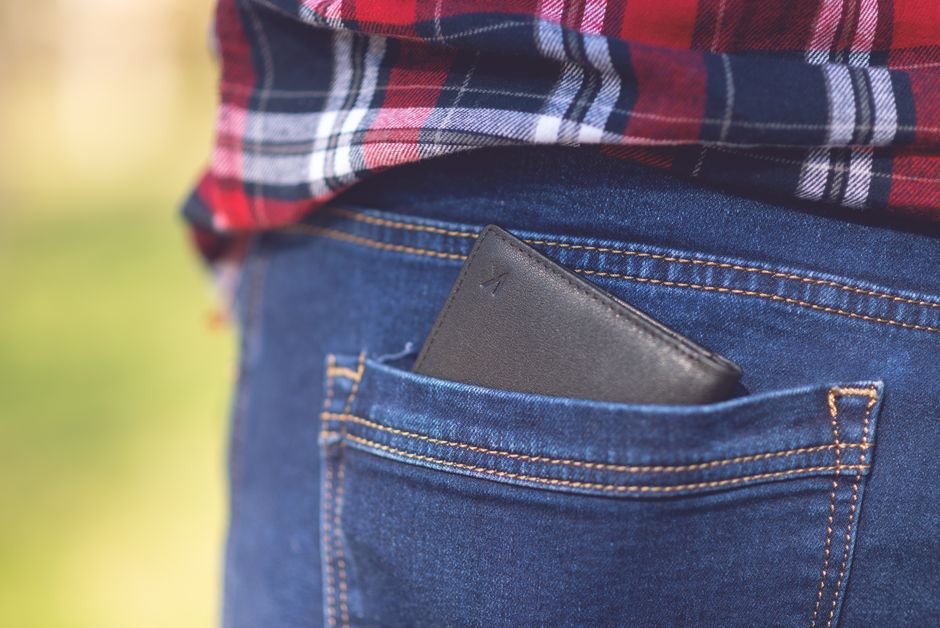
Leather RFID wallets combine traditional craftsmanship with modern security features. They typically contain a hidden RFID-blocking layer sewn into the wallet while maintaining the classic appearance and feel of genuine leather.
Advantages of Leather RFID Wallets
Classic Appearance
Leather wallets offer a timeless and professional look that suits both casual and formal settings. They are available in a variety of styles, including bifold, trifold, money clip, and minimalist designs.
Comfortable to Carry
Leather is soft and flexible, making it comfortable in pockets. It adapts to the shape of the user’s pocket over time, enhancing comfort during daily use.
Higher Storage Capacity
Most leather wallets can accommodate multiple cards, cash, receipts, business cards, and identification documents. This makes them ideal for individuals who carry many items.
Variety of Designs
Leather wallets come in numerous colors, finishes, and styles. Consumers can easily find options that match their personal preferences.
Premium Feel
High-quality leather develops a unique patina as it ages, giving the wallet character and individuality over time.
Disadvantages of Leather RFID Wallets
Less Impact Resistance
Leather wallets offer limited protection against physical damage. Cards stored inside may bend or become damaged if excessive pressure is applied.
Bulkier Design
Because of their larger storage capacity, leather wallets can become bulky, especially when overfilled.
Wear and Tear
Leather can scratch, crack, or show signs of wear after years of heavy use. Exposure to moisture may also affect its appearance and longevity.
Overview of Aluminum RFID Wallets
Aluminum RFID wallets are designed with modern materials and minimalist principles. The metal construction naturally blocks RFID signals while providing enhanced protection for cards.
Advantages of Aluminum RFID Wallets
Superior RFID Protection
Because aluminum acts as a metal shield, it effectively blocks RFID signals without requiring additional protective layers.
Excellent Durability
Aluminum wallets resist impacts, scratches, and bending far better than traditional leather wallets. They provide excellent protection for cards stored inside.
Slim and Minimalist Design
Many aluminum wallets are engineered to be compact and lightweight, making them appealing to users who prefer carrying only essential cards and cash.
Better Card Protection
The rigid shell prevents cards from bending, cracking, or being damaged by pressure.
Modern Appearance
Aluminum wallets offer a sleek, contemporary aesthetic that appeals to users who appreciate minimalist and technology-inspired designs.
Disadvantages of Aluminum RFID Wallets
Limited Storage Capacity
Most aluminum wallets hold fewer cards than traditional leather wallets. Users who carry numerous cards may find them restrictive.
Less Flexibility
The rigid design may feel less comfortable in pockets compared to soft leather wallets.
Potential for Dents
Although highly durable, aluminum can still develop dents if subjected to strong impacts.
Industrial Look
Some users may find aluminum wallets too modern or impersonal compared to the warmth and elegance of leather.
Comparison: Leather RFID Wallet vs Aluminum RFID Wallet
| Feature | Leather RFID Wallet | Aluminum RFID Wallet |
|---|---|---|
| RFID Protection | Excellent | Excellent |
| Style | Classic and professional | Modern and minimalist |
| Comfort | Soft and flexible | Rigid and structured |
| Card Protection | Moderate | Excellent |
| Storage Capacity | High | Moderate to low |
| Durability | Good | Very high |
| Weight | Slightly heavier when full | Generally lightweight |
| Pocket Friendliness | Excellent | Good |
| Customization Options | Extensive | Limited |
| Long-Term Appearance | Develops patina | Maintains modern look |
Which Wallet Is Better for Business Professionals?
Business professionals often carry multiple cards, identification documents, and cash. A leather RFID wallet is usually the better choice because it offers greater organization, storage capacity, and a sophisticated appearance suitable for professional environments.
Which Wallet Is Better for Travelers?
Frequent travelers may benefit from either option depending on their priorities. Those who carry passports, boarding passes, and multiple cards may prefer a leather RFID travel wallet. However, travelers seeking maximum card protection and minimal bulk may find an aluminum wallet more convenient.
Which Wallet Is Better for Minimalists?
For individuals who carry only a few cards and limited cash, aluminum RFID wallets are often the preferred option. Their compact design encourages users to carry only essentials while maintaining strong RFID protection.
Cost Considerations
Leather RFID wallets are available across a wide price range, from affordable synthetic leather models to premium full-grain leather options. Aluminum wallets also vary in price, particularly those featuring advanced mechanisms, carbon fiber accents, or premium engineering.
In general, the best value depends on individual preferences rather than cost alone. A high-quality wallet of either type can provide years of reliable use.
Environmental Considerations
Consumers concerned about sustainability should carefully evaluate manufacturing practices and materials. Some leather wallets are made from responsibly sourced leather, while others use synthetic alternatives. Aluminum wallets are often recyclable and may have a lower environmental impact over their lifecycle, depending on production methods.
Conclusion
Choosing between a leather RFID wallet and an aluminum RFID wallet ultimately depends on your lifestyle, preferences, and daily carrying needs.
A leather RFID wallet is ideal for those who value traditional style, comfort, and ample storage space. It offers a timeless appearance and practical organization for everyday use.
An aluminum RFID wallet is better suited for individuals who prioritize durability, card protection, minimalist design, and modern aesthetics. Its rigid construction provides superior physical security while maintaining a compact profile. For a more in-depth comparison of the Leather RFID Wallet vs Aluminum RFID Wallet, consider factors such as construction and usage.
Both options deliver effective RFID protection, making either choice a smart investment for safeguarding personal information. The right wallet is the one that balances security, functionality, and style according to your individual requirements.