
However, concerns about electronic theft and unauthorized scanning have led many consumers to invest in RFID-blocking accessories. In today’s digital world, protecting personal and financial information has become more important than ever. Contactless payment cards, identification cards, and access cards use Radio Frequency Identification (RFID) technology to provide convenience and speed. Two of the most popular options are RFID-blocking card holders and RFID-blocking phone wallets.
While both products are designed to protect sensitive information from RFID skimming, they serve different purposes and offer unique advantages. Understanding the differences between them can help consumers choose the best option for their lifestyle and security needs.
What Is RFID Blocking Technology?
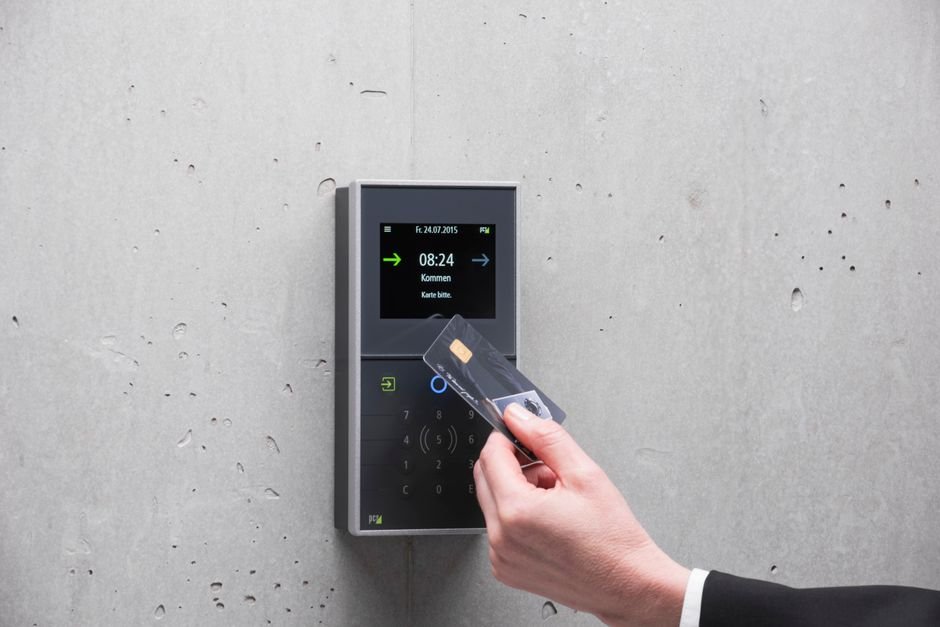
RFID-blocking technology uses specialized materials that prevent radio frequency signals from reaching RFID-enabled cards. This protective barrier helps reduce the risk of unauthorized scanning of credit cards, debit cards, passports, and other RFID-equipped items.
Although RFID theft is relatively uncommon, many people prefer the added security that RFID-blocking products provide, especially when traveling or carrying multiple contactless cards.
What Is an RFID Blocking Card Holder?
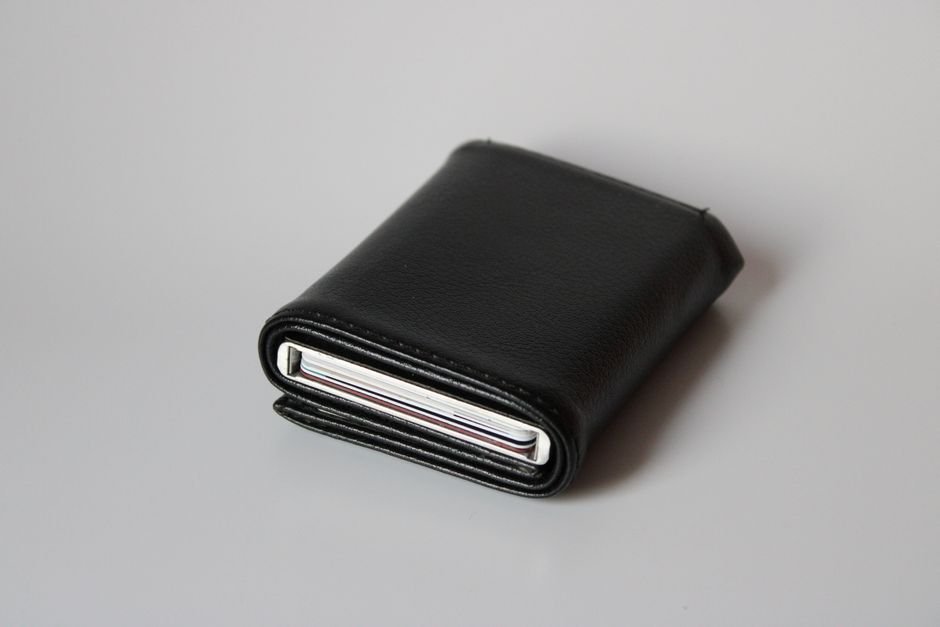
An RFID-blocking card holder is a compact accessory specifically designed to store and protect payment cards, IDs, and business cards. These holders are typically made from aluminum, stainless steel, carbon fiber, or other RFID-shielding materials.
Advantages of RFID Blocking Card Holders
Superior Card Protection
Card holders are designed exclusively for cards, providing dedicated RFID protection and reducing the risk of bending, scratching, or damaging important cards.
Slim and Lightweight Design
Most RFID card holders are compact and easy to carry in a pocket, purse, or bag. Their minimalist design appeals to users who prefer carrying only essential cards.
Enhanced Durability
Metal RFID card holders often offer excellent durability and can withstand daily wear and tear better than traditional wallets.
Better Organization
Many models feature organized compartments that make it easy to access specific cards quickly.
Disadvantages of RFID Blocking Card Holders
- Limited storage space for cash and other personal items.
- Requires carrying a separate phone and card holder.
- Some rigid designs may feel less comfortable in smaller pockets.
What Is an RFID Blocking Phone Wallet?
An RFID-blocking phone wallet combines a phone case with card storage and RFID protection. It allows users to carry their smartphone, payment cards, and identification cards in a single accessory.
Advantages of RFID Blocking Phone Wallets
Convenience and Accessibility
Since most people carry their smartphones everywhere, combining card storage with a phone case reduces the number of items needed when leaving home.
Space-Saving Design
A phone wallet eliminates the need for a separate wallet, making it ideal for minimalists who prefer carrying fewer items.
Multi-Functionality
Many RFID phone wallets include features such as kickstands, magnetic closures, wrist straps, and extra storage pockets.
Travel-Friendly
Travelers often appreciate having their phone, identification, and payment cards stored in one secure location.
Disadvantages of RFID Blocking Phone Wallets
- Limited card capacity compared to dedicated card holders.
- Losing the phone means losing both communication and payment essentials.
- Phone wallets can add bulk to the device.
- Frequent card access may increase wear on the wallet section.
RFID Blocking Card Holder vs RFID Blocking Phone Wallet
Security
Both options offer RFID protection when manufactured with quality shielding materials. However, dedicated card holders often provide more consistent protection because they are designed specifically for storing cards.
Winner: RFID Blocking Card Holder
Convenience
Phone wallets provide exceptional convenience by combining multiple essentials into one item. Users can carry fewer accessories and access cards quickly.
Winner: RFID Blocking Phone Wallet
Durability
Metal card holders generally outperform phone wallets in terms of durability and physical protection for cards.
Winner: RFID Blocking Card Holder
Storage Capacity
Card holders typically accommodate more cards and often provide better organization.
Winner: RFID Blocking Card Holder
Portability
Phone wallets reduce the need for a separate wallet, making them highly portable for everyday use.
Winner: RFID Blocking Phone Wallet
Style and Appearance
Both products come in various designs and materials. Card holders often offer a sleek, professional appearance, while phone wallets provide a modern and practical look.
Winner: Tie
Which Option Should You Choose?
The best choice depends on your lifestyle and preferences.
Choose an RFID-blocking card holder if:
- You carry multiple cards.
- You prefer maximum card protection.
- You want a durable, professional-looking accessory.
- You already use a separate wallet or phone case.
Choose an RFID-blocking phone wallet if:
- You prefer minimalism.
- You want to carry fewer items.
- Convenience is your top priority.
- You frequently use both your phone and payment cards throughout the day.
Conclusion
Both RFID-blocking card holders and RFID-blocking phone wallets provide valuable protection against unauthorized RFID scanning while offering different benefits. Card holders excel in durability, organization, and dedicated card protection, making them ideal for professionals and frequent card users. On the other hand, phone wallets offer unmatched convenience and portability by combining essential items into one compact solution.
It’s worth noting more about options like RFID wallets and purses for those looking for advanced protection RFID wallets and purses.
Before making a purchase, consider how many cards you carry, how often you access them, and whether you prefer a minimalist or traditional carrying style. By matching the product to your daily needs, you can enjoy both convenience and peace of mind while protecting your sensitive information.