
To stay warm while camping in cold weather, invest in a quality sleeping bag rated for at least 20°F, as this can significantly improve your comfort during frigid nights. Even at temperatures around 32°F, subpar gear can lead to a chilling experience, making preparation essential for enjoying the beauty of winter camping.
Layering correctly, utilizing the right equipment, and fire management are essential for staying warm. Prioritizing insulation and prep work is key to avoiding discomfort and serious risks like hypothermia. Here are essential tips for staying warm while camping in cold weather.
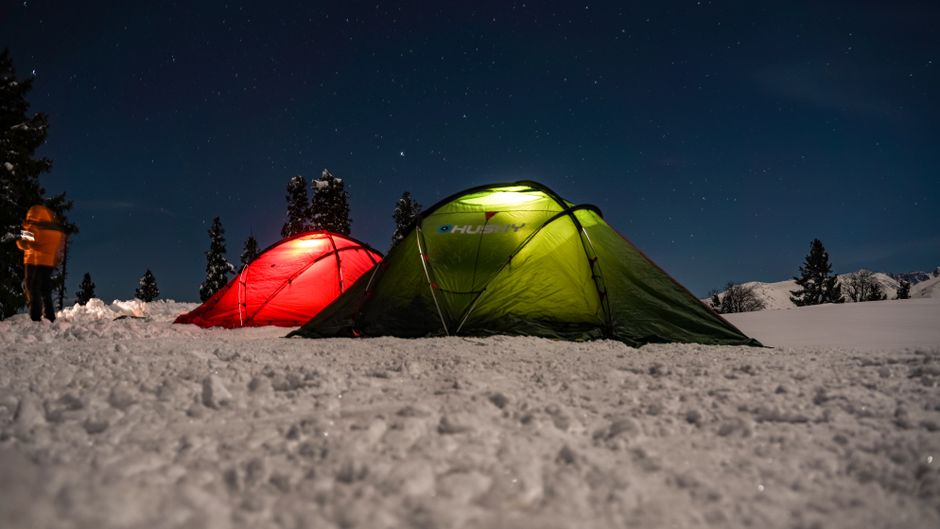
Invest in Quality Cold Weather Gear
Your choice of sleeping gear can dramatically affect your warmth. Start with a high-quality insulated sleeping bagideally rated for 20°F or lower, to handle colder nights. Many hikers wish they had opted for a winter-rated sleeping bag; investing more at the outset pays off in comfort and safety.
Pair it with an effective sleeping padideally thick foam or an air-filled model, to insulate against the cold ground.
Beyond sleeping bags, layering your clothing is crucial. Choose moisture-wicking base layers, insulating fleece layers, and a weather-resistant outer layer to trap body heat without overheating, avoiding sweat that cools you down. If you’re curious about the nuances of sleeping options, check this out: Sleeping Bag vs Quilt Backpacking: Choosing the Best Option.
Enhance Tent Insulation
A warm sleeping bag loses efficacy if your tent is poorly insulated. Avoid common mistakes by choosing a sheltered area for pitching your tent to minimize wind exposure. Employing a tent footprint or extra tarps underneath can add a layer of insulation.
Inside the tent, lying down blankets or sleeping pads can create a warmer barrier. Some campers benefit from reflective materials on the interior walls, which can bounce heat back inside. These practical strategies significantly improve warmth overnight. For information on sleeping bag temperature ratings, see this guide: What Sleeping Bag Temperature Should I Get for Cold Weather?.

Create an Efficient Campfire Setup
Once night falls, a well-prepared campfire is your greatest ally against the cold. Position your fire safely and gather dry wood, including kindling and progressively larger logs as the fire develops. This not only warms your campsite but can double as a cooking source.
In frigid weather, building fire reflectors or windbreaks can direct more heat toward your tent area. Always adhere to local fire regulations to ensure safety while enjoying the warmth of a flickering flame with friends.
Warm Drinks for Maximized Comfort
A cup of hot tea or cocoa can work wonders for morale and warmth. Pack a reliable thermos that keeps your drinks warm overnight, allowing you to sip on something comforting before bed. Staying hydrated is important, and warm beverages help sustain body temperature.
Additionally, consider filling your Nalgene bottle with preheated water to snuggle against your body for warmth during the night. Just handle hot liquids carefully to prevent spills!
Recognize Your Limits
Understanding your limits is vital in cold conditions. If you start feeling too cold, trust your instincts and assess your situation. Signs like uncontrollable shivering or slurred speech indicate the onset of hypothermia. If you notice these symptoms, seek warmth immediately and have an emergency plan in place, along with awareness of local weather patterns.
Cold-weather camping can be enjoyable without sacrificing comfort. By focusing on quality gear, effective insulation methods, and good campfire management, you’ll be well-prepared for your chilly adventure. Remember, the right preparation and a little extra investment can turn a potentially uncomfortable experience into a safe, delightful time spent in nature. Embrace the outdoors, even in the cold!
Related reading: camping stove for hiking.
See also our take on camping gear for comfortable.
Frequently Asked Questions
What is the best way to stay warm while camping?
The best way to stay warm while camping is to wear appropriate layers of clothing, including a moisture-wicking base layer, an insulating middle layer, and a waterproof outer layer. Additionally, using a high-quality sleeping bag rated for cold temperatures and insulating your tent can significantly improve warmth.
How do you insulate a tent for winter camping?
To insulate a tent for winter camping, you can use foam pads or blankets underneath the sleeping area to provide additional warmth. Furthermore, adding a tent footprint and using an insulating tent liner can help trap heat and reduce cold drafts inside.
Can you use a regular sleeping bag in winter?
Using a regular sleeping bag in winter is not advisable since it may not provide sufficient insulation against low temperatures. Instead, opt for a sleeping bag rated for winter conditions, which has additional insulation and features to retain heat.
Why does body heat escape during camping?
Body heat escapes during camping primarily due to cold air infiltration, inadequate insulation, and moisture from perspiration. Proper clothing layers and a well-insulated sleeping area are essential to minimize heat loss.
How do you prevent hypothermia while camping?
To prevent hypothermia while camping, dress in layers and keep your clothing dry and insulated. Staying active to maintain body heat, avoiding alcohol, and having a reliable heat source or sleeping gear can also help ensure safety in cold conditions.