
A sleeping bag's temperature rating can range from 30°F to 0°F, and choosing the right one is essential for a comfortable night outdoors. It's not merely about comparing prices but understanding how insulation, materials, and your camping style affect your warmth.
When it comes to temperature ratings, you’ll often see three main ratings listed: comfort, lower limit, and extreme. Each provides a different perspective on the sleeping bag‘s performance, but understanding what each means will help you make the right choice. The most significant factor is where and when you plan to use your bag.
Don’t just grab the first one you see, consider your future camping plans and the temperatures you might encounter.
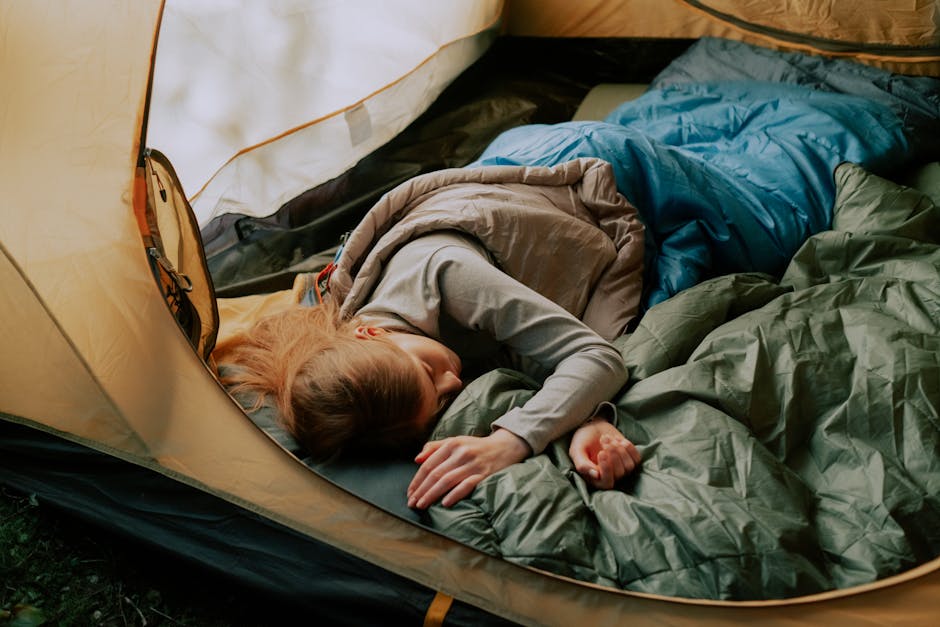
Decoding Sleeping Bag Temperature Ratings
Most sleeping bags come with a temperature rating as part of their description, which indicates the estimated lowest temperature at which the bag is designed to keep you warm. Comfort ratings are typically more suitable for the average person and suggest a temperature range where you will sleep comfortably.
Lower limit ratings may indicate a temperature at which a person can survive but might not sleep well. Extreme ratings are meant for survival situations, where the bag provides just enough warmth to keep you alive, not necessarily comfortable.
For example, if you’re someone who generally feels colder than others, you should pay close attention to the comfort rating. In my experience, bags rated for colder temperatures might feel more like a personal blanket than a mere sleeping bag, enhancing your overall camping experience.
Materials Matter: Insulation Options
Insulation material plays a crucial role in thermal efficiency. There are two predominant types: down and synthetic. Down insulation is lighter and provides superior warmth-to-weight ratio, but it loses its insulating properties when wet. On the other hand, synthetic materials excel in damp conditions and dry quickly, although they tend to be bulkier.
If you expect wet weather or plan on occasional damp camping trips, synthetic is likely the better choice.
Additionally, many manufacturers now offer a hybrid of both materials, catering to the best of both worlds. If I were selecting a bag for diverse conditions, I’d lean towards a synthetic option to ensure warmth in various weather without compromising on weight.
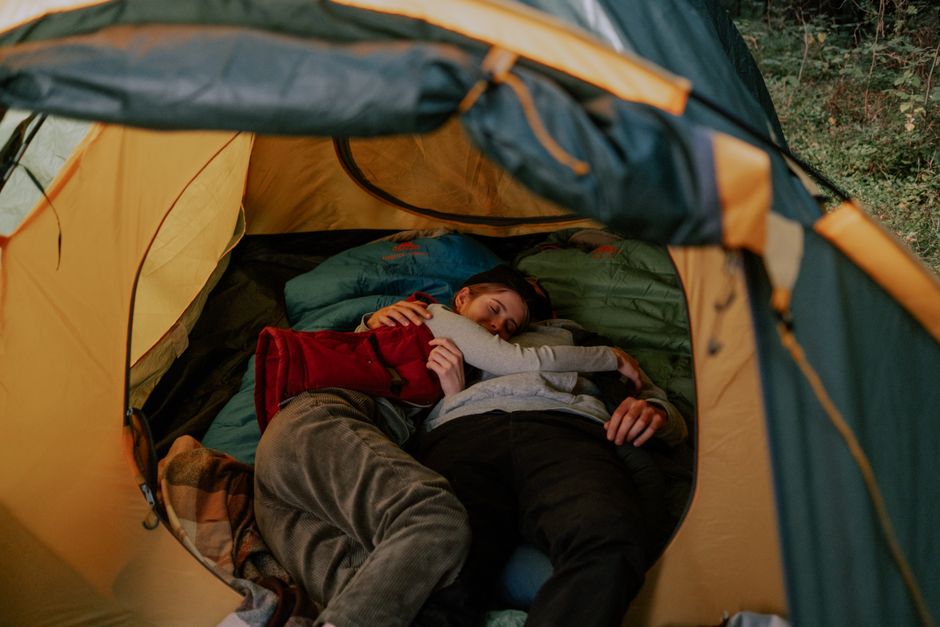
Personalization: Are You a Hot or Cold Sleeper?
Your personal comfort level significantly affects what sleeping bag temperature rating you should consider. If you tend to sleep hot, a heavily insulated bag may make for an uncomfortable night. Conversely, if you are always cold, you might need extra insulation or a sleeping bag rated for lower temperatures.
It might help to keep in mind that campers often recommend going for a bag rated for at least 10 degrees lower than the expected low temperature, especially if you’re a cold sleeper.
Also, factor in how you’ll be sleeping: are you in a tent or hammock? The ground can sap heat, so ensure your bag accounts for that, or choose a sleeping pad that adds insulation. I find that investing in a quality sleeping pad can save you a lot of discomfort, it’s one of those backpacking essentials you shouldn’t overlook.
Consider the Climate and Seasonality
Where you camp is just as important as how you plan to use your sleeping bag. If you often find yourself in colder climates during winter, you’ll want a sleeping bag with a lower temperature rating. On the flip side, summer camping demands lighter, more compressible bags that won’t overly insulate you. Seasonal bags typically come in three categories: summer, three-season, and winter.
For my experiences, a three-season bag can be a versatile choice if you enjoy camping year-round in various conditions. These bags often handle temperatures ranging from 20 to 32 degrees Fahrenheit and adjust well with layering, which can be helpful if you face fluctuating weather patterns.
Weight and Packability: What’s Your Travel Style?
If you’re backpacking and need to carry your gear over long distances, the weight and size of the sleeping bag will be critical factors. Lightweight bags pack down smaller, which can save you space and reduce your overall pack weight, making them ideal again for cooler weather.
However, heavier bags often provide greater durability and warmth, making them desired for car camping or short weekend trips.
Weighing those options can feel daunting, but you should aim for a balance that meets your needs. When making a selection, I always look at both the packed size and the overall weight to ensure I can comfortably carry it.
Checking for Features That Matter
Don’t overlook additional features that affect functionality and comfort. Consider features such as temperature-regulating technology, adjustable hoods, built-in draft collars, and two-way zippers, which can enhance warmth and facilitate airflow. If you tend to roast in your sleeping bag, having a two-way zipper is essential for venting heat without leaving the bag entirely open.
Additional components such as pockets for storing essentials and loops for hanging can also be helpful. Those little touches can make your nights more enjoyable. I’ve found myself wishing I had gotten a model with extra pockets on more than one occasion, so consider what would make your experience more comfortable.
The Final Verdict: Recommendations Based on Your Needs
For most campers, a synthetic three-season sleeping bag is the best choice, providing flexibility for changing weather. If you prioritize weight and packability and are prepared for wet conditions, opt for a down bag. Casual campers might find a lower-rated synthetic model to be a durable, budget-friendly option.
If that matters to you, our piece on power bank which essential goes further.
Frequently Asked Questions
Why does sleeping bag temperature matter?
Sleeping bag temperature ratings are vital because they help ensure you stay warm and comfortable during your camping or outdoor activities. Choosing the right temperature rating can prevent hypothermia in cold conditions and overheating in warm conditions.
How to choose a sleeping bag for cold weather?
To select a sleeping bag for cold weather, consider a bag with a lower temperature rating, ideally one that is 10-20 degrees lower than the expected low temperature for your trip. Additionally, look for features like insulated hoods, draft collars, and materials designed for thermal efficiency.
Can a sleeping bag be too warm?
Yes, a sleeping bag can be too warm, which can lead to discomfort and disrupted sleep due to overheating. It's important to choose a sleeping bag appropriate for the expected temperatures to avoid excessive heat, especially during warmer months.
What does the comfort rating of a sleeping bag mean?
The comfort rating of a sleeping bag indicates the lowest temperature at which a sleeper can expect to feel comfortable, taking into account factors like sleeping position and personal warmth. This rating is especially useful for helping individuals select a bag suited to their temperature tolerance.
Is there a universal sleeping bag temperature chart?
While there isn't a strictly universal sleeping bag temperature chart, many manufacturers provide their own charts based on different ratings like comfort and limit ratings. It's beneficial to refer to these charts and consider your own cold tolerance and the specific conditions of your trip. For information on what sleeping bag temperature you should get, check out the details here.