
Knowing how to prepare meals in the wild involves mastering basic techniques like building a campfire and using portable cooking gear. With just a small camp stove and a few utensils, you can create satisfying dishes using minimal ingredients. This approach not only enhances your outdoor experience but also allows you to enjoy the natural flavors of the environment with every bite.
Camping and hiking are popular activities, but many people struggle with outdoor cooking. Key challenges include limited access to reliable food storage, securing safe drinking water, and avoiding wildlife encounters. Here’s a guide to essential tools, ingredients, and simple techniques for effortless meal preparation in the wild.
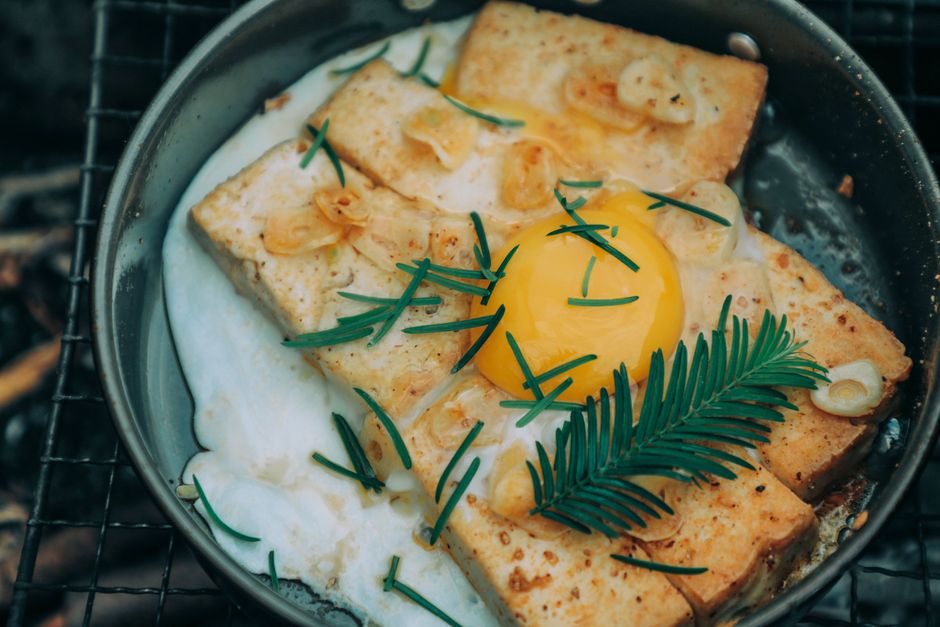
Essential Gear for Cooking in Nature
To prepare meals efficiently in the wild, equip yourself with a compact yet effective cooking kit. Your gear should include a durable pot, a pan with a lid, a spatula, and a good knife, preferably made from lightweight materials like stainless steel or aluminum. Consider adding a set of tongs for safely handling hot food or coals.
A portable camping stove offers a backup option when weather conditions make cooking over an open flame impractical. For stove options, you can check my guide on small camping stoves.
Always pack a firestarter kit with waterproof matches or lighters, and include a clean, foldable cutting board. Reusable containers for food storage will also simplify cleanup and meal prep significantly.
Smart Ingredient Selection
Planning your ingredients is crucial for wilderness cooking. Opt for non-perishable items such as rice, pasta, canned goods, and dried fruits, which provide essential nutrients and pack easily. For protein, consider high-energy options like nuts and jerky.
Dehydrated meals are particularly beneficial; they’re lightweight and can be rehydrated with hot water, making them ideal for the trail. Small containers of spices can enhance your meals significantly, as even a pinch of salt or pepper can elevate flavors.
If space allows, fresh ingredients like hardy vegetables or eggs (packed carefully) can add variety to your meals. For longer excursions, a small cooler is worth considering for perishables. For updated propane options, you can find details in my guide on camping stove propane.

Prioritizing Safety While Cooking Outdoors
Food safety in the wilderness is paramount to avoid illness from contamination and to prevent wildlife encounters. Always store food in airtight, reusable or biodegradable containers and place them at least 100 yards from your sleeping area. Utilizing bear canisters or tightly-sealed coolers can further ensure safety.
Water quality is equally important. Use water only from trustworthy sources, and purify it by boiling for at least one minute. Water purification tablets are also a great backup option. When washing dishes, avoid detergents with harmful chemicals to protect the environment.
When cooking over a fire, monitor it closely and steer clear of overhanging branches to prevent accidents. Keep in mind that cooking aromas can attract wildlife, so proper vigilance is necessary.
Deliciously Simple Wilderness Recipes
Prepare satisfying meals without compromising on flavor. A one-pot vegetable and rice dish is a great example; boil water, add pre-cooked rice, and mix in chopped vegetables. For added protein, toss in some canned beans or a scoop of protein powder.
The classic campfire quesadilla is another crowd-pleaser. Just place a tortilla in a pan with cheese and any fillings you desire, like beans or pre-cooked chicken, and let it cook until gooey and melty. For a sweet treat, slice bananas down the middle, stuff them with chocolate, wrap in foil, and place near the coals for a delicious dessert.
Enhance your outdoor culinary skills and transform meals into not just fuel, but enjoyable experiences.
Final Verdict: Elevate Your Wilderness Cooking
Mastering meal preparation in the wild can significantly enrich your outdoor adventures. Focus on utilizing the right tools and selecting simple, nutritious foods. Streamlining your cooking process by using easy-prep ingredients while prioritizing safety will make your trips more enjoyable.
Invest in quality campfire utensils, and experiment with recipes that suit your tastes. Embrace rustic cooking methods to turn your wilderness meals into memorable experiences. Enjoying a warm meal surrounded by nature is one of the most rewarding experiences you can have. Happy cooking!
For more, read about best jacket.
Frequently Asked Questions
How can you cook without cookware in the wild?
You can cook without cookware by using techniques like roasting food over an open flame, wrapping food in leaves or mud for cooking in embers, or creating a makeshift grill from sticks or stones. Additionally, you can use natural resources like hot stones to heat food.
What are easy meals to make while backpacking?
Easy meals to make while backpacking include items like instant oatmeal, freeze-dried meals, trail mix, and energy bars. You can also prepare simple items like tortillas filled with peanut butter or cheese, or rice and beans that only require boiling water.
Is it safe to cook over an open fire?
Cooking over an open fire can be safe if done responsibly, ensuring that you have a controlled fire area and are aware of local fire regulations. It's important to keep a safe distance from the fire while cooking and to fully extinguish the fire after use to prevent wildfires.
Can you bring fresh food into the wilderness?
Bringing fresh food into the wilderness is possible, but it can be challenging due to spoilage and weight. It's best to limit fresh produce to short trips and choose hardier options like carrots or apples that travel better.
Why is food safety important outdoors?
Food safety is crucial outdoors to prevent foodborne illnesses, as improper handling can lead to contamination. This is especially important in remote areas where medical help may not be readily available.