
To prevent burns during outdoor cooking, use protective gear such as heat-resistant gloves and long-sleeved clothing, which can reduce burn risk by up to 70%. With over 500,000 burn injuries requiring medical attention annually in the United States, prioritizing safety measures is crucial for a successful and enjoyable cookout. Implementing these strategies can help ensure a safe cooking environment outdoors.
Outdoor cooking comes with various hazards. The heat from grills, stoves, and campfires can lead to painful accidents, especially with just a moment’s distraction. Here are specific strategies and essential gear to help you minimize your risk of burns while cooking outdoors.
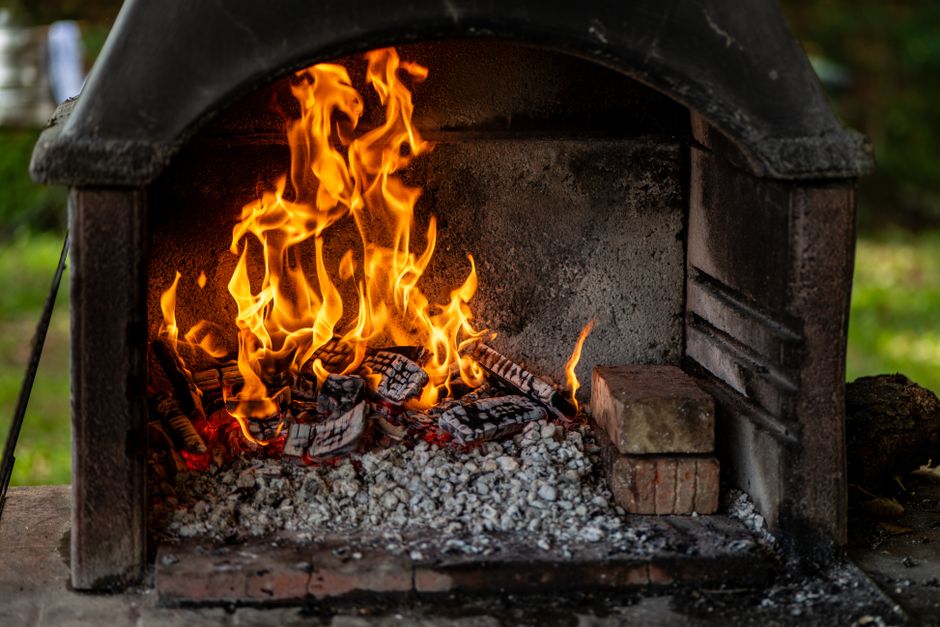
Types of Burns Commonly Associated with Outdoor Cooking
To effectively prevent burns during outdoor cookingit’s crucial to understand the types of burns that can occur:
- Thermal Burns: Resulting from direct contact with heat sources such as flames, hot surfaces, or scalding liquids. For example, tilting a pot while moving it off the grill can lead to painful thermal injuries.
- Radiant Burns: Often unnoticed until too late, these occur due to infrared heat from open flames or hot coals, particularly dangerous when standing too close to the grill.
- Chemical Burns: Less common, these can happen if propane or charcoal is used improperly. Igniting sparks too quickly or mishandling lighter fluid increases the risk of burns.
Understanding these burn types allows you to stay cautious, creating a safer cooking environment.
Essential Safety Gear for Outdoor Cooking
No outdoor cooking setup is complete without proper protective gear. Heat-resistant gloves are indispensable when cooking outdoors. Choose gloves designed to withstand high temperatures and provide a solid grip, as they can protect you from handling hot pots or tools safely.
In addition to gloves, invest in heat-resistant tools such as long-handled spatulas, tongs, and grill brushes. This equipment not only enhances safety but also improves the overall cooking experience by allowing you to maintain distance from direct heat.

Effective Grill Management Techniques
Proper grill management is key to preventing burns. Keep your grill clean and free of grease, which can ignite and cause flare-ups. Always monitor the flames and never leave the grill unattended; just a few seconds can make the difference between a successful cookout and a painful burn.
Organizing your cooking space is crucial as well. Set up your grilling area to keep everything within reach. A well-arranged space can help avoid unnecessary movements that might lead to burns, as it allows easy access to utensils, ingredients, and heat-resistant tools.
Campfire Precautions for Safer Cooking
Cooking over a campfire comes with its own risks. Maintaining a safe distance from the flames is essential. Use long skewers or sticks to keep at least two feet away while cooking marshmallows or hot dogs.
Control the fire by using dry wood and monitoring it closely to prevent excessive flare-ups. Keep a bucket of water or a fire extinguisher nearby as a precautionary measure, because quick control of small issues can prevent larger problems.
Identifying Heat Sources
Being aware of all potential heat sources is vital in preventing burns during outdoor cooking. Don’t just focus on the grill or campfire; nearby objects like rocks or metal tables can also retain heat. Recognizing these surfaces will help avoid accidental burns.
Cooking equipment itself can be dangerously hot. Always check the temperature of kettles, pots, or pans that have been heated on the grill. If you’re uncertain about the heat of any tool or surface, use a non-contact infrared thermometer for safety.
Mindful Cooking Practices That Promote Safety
Mindful cooking practices can significantly enhance outdoor cooking safety. Distracted cooking, such as chatting or using your phone, increases accident risks. Focus on the task at hand to minimize distractions.
Additionally, preparing your food in advance, by marinating, cutting, and organizing in the kitchen, keeps your hands free during cooking. This reduces the need for multitasking, allowing you to concentrate on managing the grill safely.
Avoiding Common Mistakes
Recognizing common outdoor cooking mistakes can greatly improve safety. Avoid the practice of pouring lighter fluid excessively, as this can lead to significant flare-ups. Always adhere to the instructions provided with lighter fluids, and consider using a chimney starter as a safer ignition method.
Never underestimate the heat generated by grills; temperatures can exceed 500°F in just minutes. Monitor your cooking temperatures closely to prevent burns and avoid serving undercooked or charred food.
Finally, understand your own cooking limits. Stick to methods you’re comfortable with, particularly when using open flames. It’s essential to operate within your skill level to prevent injury.
Your Safety Matters: Embrace These Prevention Tips
Outdoor cooking can be enjoyable and rewarding, but it requires respect for safety and caution to prevent burns. By understanding common burn types, using the right safety gear, practicing effective grill management, and staying mindful while cooking, you can significantly reduce your risk of injury.
The best way to keep your outdoor cooking safe is to prepare thoroughly, maintain awareness, and employ safety practices diligently. I encourage everyone to actively adopt these strategies for safe and enjoyable outdoor cooking experiences.
Frequently Asked Questions
How do I protect myself from burns while grilling?
To protect yourself from burns while grilling, always use long-handled tools to keep a safe distance from the heat. Ensure you wear appropriate clothing, such as long sleeves and closed-toe shoes, to shield your skin from potential splashes or sparks.
What safety gear is essential for outdoor cooking?
Essential safety gear for outdoor cooking includes heat-resistant gloves, a sturdy apron, and closed-toe shoes to prevent burns and injuries. Additionally, a fire extinguisher should be readily accessible in case of emergencies.
Why do burns happen frequently when cooking outside?
Burns occur frequently when cooking outside due to the increased presence of open flames, hot surfaces, and splattering liquids. The casual environment can lead to distractions, making it easier to overlook safety precautions.
Can gloves help in preventing burns during cooking?
Yes, heat-resistant gloves are crucial in preventing burns during cooking as they provide a barrier against hot surfaces and flames. Selecting gloves that are specifically designed for grilling or outdoor cooking can enhance protection.
Is it safe to cook on a campfire without special equipment?
Cooking on a campfire without special equipment is not advisable as it increases the risk of burns and accidents. Proper equipment, such as campfire cooking tools and protective barriers, is essential to ensure safety while enjoying outdoor cooking.