
A camping stove for cooking can transform your outdoor meals from ordinary to exceptional, making models like the Coleman Duel Fuel 2 Burner Stove, which weighs just 11 pounds and offers 20,000 BTUs of cooking power, a top choice. By combining lightweight portability with reliable heating, this stove ensures hassle-free and enjoyable culinary experiences in nature.
With numerous options available, narrowing your choices based on camping style and cooking needs is essential. Whether you’re making a simple boil or a more complex meal, knowing the distinctions between various camping stoves is vital.

Exploring Camping Stove Types and Their Unique Benefits
Selecting the right camping stove directly relates to your cooking style and engagement level. Here’s a detailed overview of the main types:
- Propane Stove: Propane stoves offer quick and efficient cooking with instant ignition. However, they may struggle with even heating, leading to challenges when cooking delicate items.
- Liquid Fuel Stoves: These stoves are typically lighter than propane models, making them ideal for backpacking. They require more maintenance but excel in colder temperatures, offering valuable performance during winter camping.
- Wood-Burning Stoves: Perfect for off-the-grid cooking, wood-burning stoves provide unique flavor to meals but depend on the availability of dry wood.
- Canister Stoves: Lightweight and compact, canister stoves use pre-filled butane canisters. Though convenient for hikers, they necessitate carrying spare canisters for multiple meals.
Each type has distinct advantages and drawbacks, influenced by your camping environment. While lightweight models improve portability, they often limit cooking versatility.
Key Features to Enhance Your Camping Stove Experience
When selecting a camping stove, consider these critical features that impact cooking performance:
- Heat Output: Measured in BTUs, higher outputs, typically ranging from 5,000 to 15,000 BTUs, facilitate faster cooking. Opt for higher BTUs if cooking for larger groups.
- Stability: A stove with wide legs or a solid base prevents tipping accidents during use, enhancing safety.
- Wind Resistance: Stoves equipped with wind-blocking features improve cooking efficiency in open areas, which is vital for outdoor cooking.
- Ease of Use: Features like one-handed ignition and straightforward controls ensure a smoother cooking experience.
Consider the number of people you’ll be cooking for. A multi-burner model is practical for larger groups, while a single burner may suffice for solo hikers.
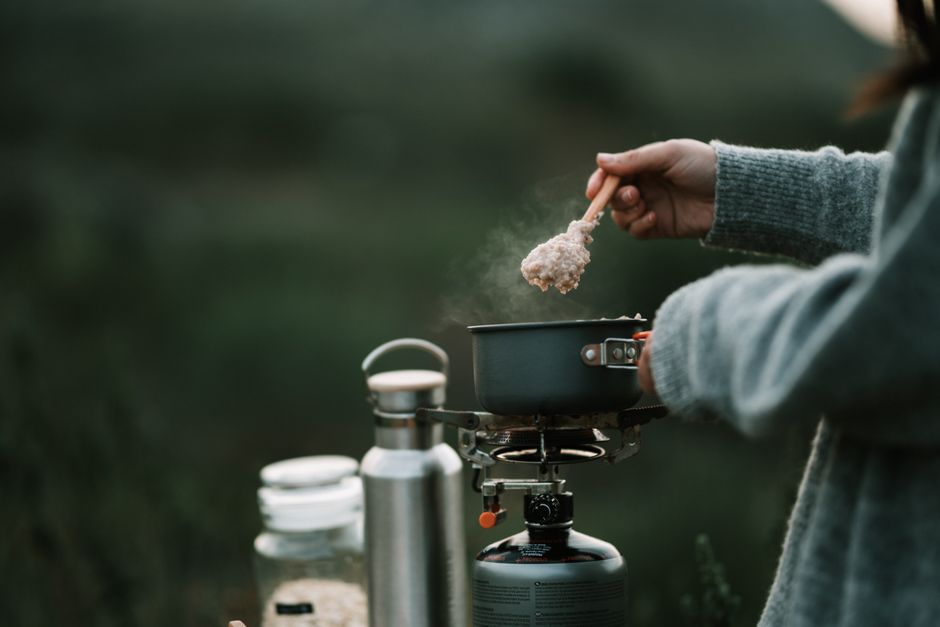
Tackling Common Pain Points in Camping Stove Selection
One significant concern among campers is fuel type. Aligning your stove choices with the available fuel at your camping destination is essential. For example, if wood is accessible, a wood-burning stove could serve you well. However, if efficiency is a priority, a propane stove may be more suitable.
Another frequent issue involves uneven cooking temperatures, often linked to low-quality stoves. Research user reviews focusing on temperature stability to avoid such problems.
Additionally, many stoves aren’t suitable for indoor use due to carbon monoxide risks. If indoor cooking is planned, explore specific models designed for that purpose to mitigate health hazards.
Avoiding Common Camping Stove Mistakes
Underestimating weight is a common mistake. For long-distance hikes, a lightweight camping stove is crucial; however, weight might not be a primary concern for car campers. Always verify fuel compatibility before departure to avoid unnecessary issues during your trip.
Campers often overlook the ongoing costs of fuel and spare parts. While the stove price may seem reasonable, fuel, canisters, and maintenance can accumulate expenses.
To ensure you make an informed choice, refer to guides focused on specific stove types and their role in broader hiking cookware needs. If weight is a major factor, my guide on lightweight camping gear offers valuable insights.
Examining Popular Camping Stove Brands
Several brands excel in reliability and performance within the camping stove market. Here are a few worth considering:
- MSR: Known for innovative outdoor cooking gear, MSR stoves provide impressive durability and consistent performance.
- Jetboil: This brand prioritizes fast boil times and efficiency, making their systems ideal for quick meals and hot drinks.
- Primus: Their solid construction and versatile offerings cater to various camping scenarios.
Choosing a reputable brand enhances long-term satisfaction and performance.
Final Verdict: Which Camping Stove Should You Choose?
The best camping stove for cooking hinges on your specific needs. I recommend a multi-burner propane stove for car camping due to its unmatched performance for larger groups, allowing for diverse cooking options. For backpackers prioritizing weight, a compact canister stove like Jetboil excels in speed and fuel efficiency, even if it lacks extensive cooking capacity.
Consider your cooking style, typical camping environments, and group size when making your choice. Those insights will guide you to an ideal camping stove tailored to your outdoor adventures.
Our write-up on better for camping picks up where this leaves off.
Frequently Asked Questions
What is the best camping stove for large groups?
The best camping stove for large groups is typically a larger, multi-burner model, such as a propane stove with at least two burners or a camp kitchen stove with a higher BTU output. Brands like Coleman and Camp Chef offer models designed for group cooking, providing ample cooking space and efficiency.
Can a camping stove be used indoors?
No, a camping stove should not be used indoors as it can produce carbon monoxide and other hazardous fumes, posing serious health risks. Always use a camping stove in well-ventilated outdoor settings to ensure safety.
How to choose a camping stove for backpacking?
When choosing a camping stove for backpacking, consider its weight, portability, and fuel type as key factors. Opt for a lightweight, compact model that uses canister fuels for convenience and ease of use while hiking.
Why does my camping stove burn unevenly?
Uneven burning in a camping stove can be caused by several factors, such as clogged burner ports, incorrect fuel pressure, or an improper connection with the fuel source. Regular maintenance and cleaning can help prevent these issues and ensure even heating.
Is a liquid fuel stove better than propane for camping?
A liquid fuel stove can be better than a propane stove for winter camping as it performs better in cold temperatures and allows for refueling from bulk liquid fuel containers. However, propane stoves are generally more user-friendly and convenient for everyday camping.
- What is the best camping stove for beginners? A basic propane stove is great for beginners. Its simple setup and ease of use make it accessible for anyone new to camping.
- How do I maintain the longevity of my camping stove? Always clean your stove after each trip, and make sure to store it in a dry place to prevent rust and degradation.
- Can I use a camping stove indoors? No, most camping stoves are not safe for indoor use due to the risk of carbon monoxide poisoning. Always use them in well-ventilated outdoor areas.
- How long will a propane canister last? A typical 16.4-ounce propane canister can last between 1.5 to 3 hours, depending on the stove’s usage and settings.
- What cookware is recommended for camping stoves? Lightweight pots and pans specifically designed for outdoor cooking are advisable, as they heat quickly and withstand outdoor conditions.