
Essential Tips on What to Wear in Finland for Every Season include layering clothing to adapt to the country's fluctuating temperatures, which can range from -30°C in winter to 25°C in summer. Being prepared with thermal wear, waterproof outer layers, and breathable fabrics ensures comfort while exploring Finland’s breathtaking landscapes and vibrant urban settings throughout the year.
This guide provides detailed advice on how to dress appropriately for different seasons and activities in Finland.
Understanding the Finnish Climate
Finland experiences a wide range of temperatures throughout the year, with distinct seasons:
1. Winter (December to February): Winters are long and harsh, especially in the northern regions like Lapland, where temperatures can drop below -30°C (-22°F). Snow cover is common, and daylight is limited.
2. Spring (March to May): Spring is brief and can be unpredictable, with temperatures ranging from -5°C (23°F) to 10°C (50°F). Snow melt and mud are typical.
3. Summer (June to August): Summers are mild and pleasant, with temperatures ranging from 15°C (59°F) to 25°C (77°F). The famous Midnight Sun is visible in the northern parts.
4. Autumn (September to November): Autumn is cool and wet, with temperatures falling from 10°C (50°F) to -5°C (23°F). The fall foliage can be spectacular, but the weather becomes increasingly unpredictable.
What to Wear in Finland: Seasonal Guide
Winter Clothing
1. Base Layer: Opt for moisture-wicking thermal underwear. Merino wool or synthetic materials are ideal for maintaining warmth and dryness.
2. Middle Layer: Fleece or wool sweaters provide excellent insulation. Layering is key to retaining body heat.
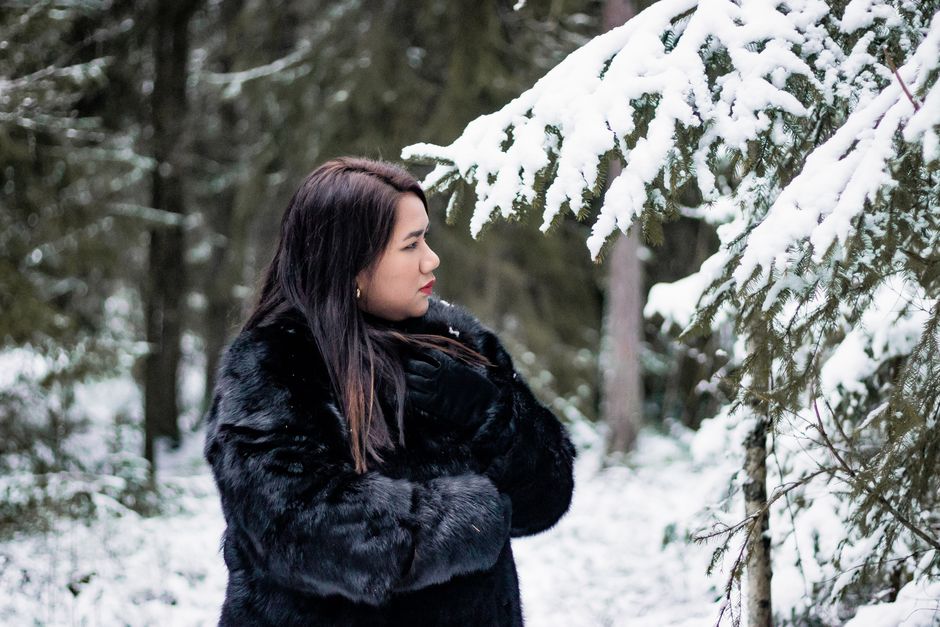
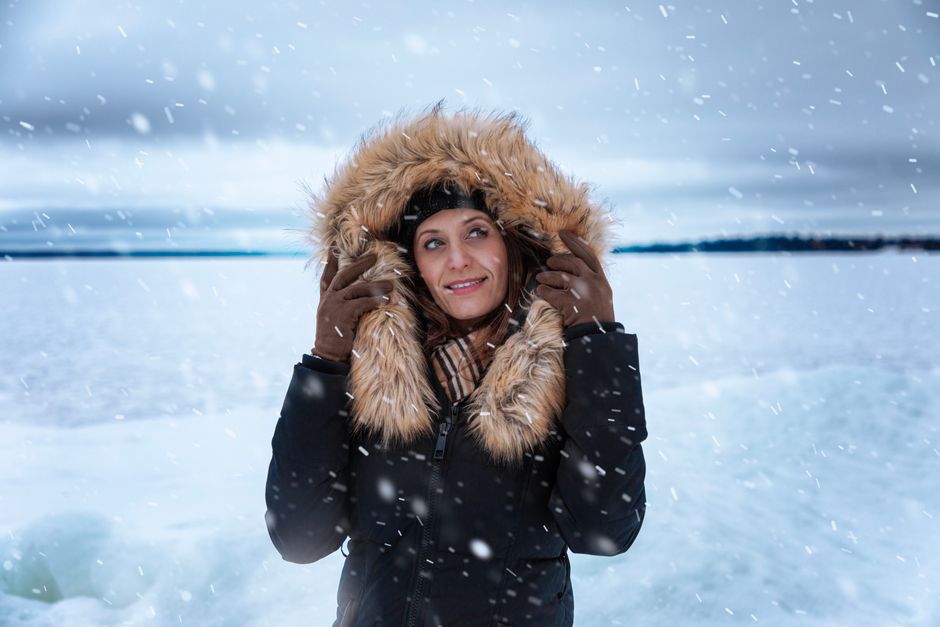
3. Outer Layer: A waterproof and windproof jacket is essential. Down jackets are highly recommended for their superior insulation properties.
4. Bottoms: Thermal leggings or long johns under insulated pants will keep your legs warm.
5. Footwear: Insulated, waterproof boots with good traction are crucial to navigate icy conditions.
6. Accessories: Don't forget a warm hat, scarf, thermal gloves, and wool socks. Consider hand and foot warmers for extreme cold.
Spring Clothing
1. Base Layer: Lightweight thermal wear is useful for colder days.
2. Middle Layer: Fleece jackets or light sweaters provide sufficient warmth.
3. Outer Layer: A waterproof and windproof jacket is necessary due to unpredictable weather and occasional rain.
4. Bottoms: Jeans or thermal pants work well. Waterproof pants might be needed during wet conditions.
5. Footwear: Waterproof boots or sturdy shoes are suitable for muddy terrains.
6. Accessories: A beanie, light gloves, and a scarf can be handy for chilly mornings and evenings.
Summer Clothing
1. Tops: Light, breathable fabrics like cotton or linen are comfortable during warmer days.
2. Bottoms: Shorts, skirts, or lightweight pants are ideal. Pack a pair of jeans or leggings for cooler days.
3. Outer Layer: A light jacket or sweater is useful for evenings or rainy days.
4. Footwear: Comfortable walking shoes or sandals are perfect for exploring. Waterproof shoes are recommended for hiking.
5. Accessories: Sunglasses, a sun hat, and sunscreen are essential. Bring a light scarf or shawl for cooler nights.
Autumn Clothing
1. Base Layer: Thermal wear may be needed as temperatures drop.
2. Middle Layer: Fleece or wool sweaters provide warmth.
3. Outer Layer: A waterproof and windproof jacket is essential. Layering is important as the weather can change rapidly.
4. Bottoms: Jeans or thermal pants are appropriate. Waterproof pants are advisable during heavy rains.
5. Footwear: Waterproof boots or sturdy shoes are necessary to handle wet and slippery conditions.
6. Accessories: A warm hat, gloves, and scarf are recommended as temperatures decline.
Activity-Specific Clothing
Hiking and Outdoor Activities
1. Summer: Lightweight, moisture-wicking clothing, sturdy hiking boots, and a hat.
2. Winter: Layered clothing, thermal wear, insulated boots, and snow gaiters.
City Exploration
1. Summer: Casual, comfortable clothing, walking shoes, and a light jacket.
2. Winter: Layered clothing, insulated boots, and a warm coat.
Sauna Visits
1. Attire: In most Finnish saunas, nudity is the norm, but you can bring a towel or swimsuit if preferred.
Common Mistakes When Dressing for Finland
Travelers often overlook base layers, assuming outerwear alone will suffice. A breathable, moisture-wicking layer close to your skin can keep you comfortable and dry. Failing to pack insulated accessories, such as gloves or a hat, can lead to discomfort during chilly weather.
Another error is underestimating the weather. Always check the forecast and plan accordingly. For example, sunny days can quickly turn cold in spring, so layering becomes essential. Forgetting to have waterproof gear is also a common mishap, especially if you're planning on hiking near lakes or during rainy seasons.
See also: What to Wear for Red Sea Holidays
Costs Associated with Finnish Attire
The expenses for proper clothing can vary widely. A quality winter jacket might range from €100 to €500, depending on brand and insulation. Think about investing in a pair of durable, waterproof boots as well; these can cost between €80 and €300.
For a versatile wardrobe, consider purchasing a few key pieces. Here’s a quick breakdown:
- Winter parka: €150 - €400
- Insulated gloves: €20 - €50
- Thermal tights: €15 - €40
- Summer lightweight jacket: €60 - €150
Planning ahead can help you find sales or second-hand options, making high-quality attire more affordable. Consider checking stores in Helsinki or local shops for potential bargains.
Conclusion
Finland's diverse climate and array of activities require thoughtful packing and layering to ensure comfort and warmth. Understanding the seasonal variations and being prepared with the right clothing can make your Finnish adventure enjoyable, whether you're exploring the wintery Lapland landscapes, experiencing the vibrant summer cities, or hiking through the autumn forests.
By following this comprehensive guide, What to Wear in Finland, you'll be well-equipped to handle Finland's unique weather and make the most of your visit.