
Svalbard, an Arctic archipelago situated between mainland Norway and the North Pole, is renowned for its stunning natural beauty and extreme weather conditions. Whether you're planning a summer expedition under the Midnight Sun or a winter adventure to see the Northern Lights, knowing what to wear is crucial for staying warm, comfortable, and safe.
This guide provides a detailed overview of what to pack for your trip to Svalbard.
Understanding Svalbard's Climate
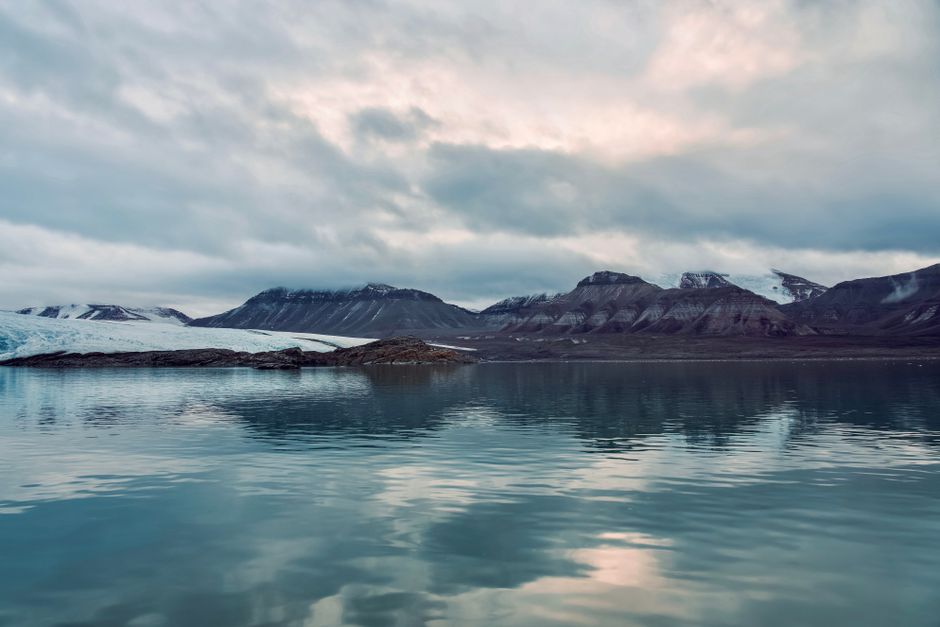
Svalbard's climate is characterized by long, cold winters and short, cool summers. The temperature can drop as low as -20°C (-4°F) in winter and hover around 5-10°C (41-50°F) in summer. However, due to the wind chill factor, it often feels much colder.
Winter Attire
Winter in Svalbard, from November to March, demands specialized clothing to combat the harsh Arctic conditions. Here's a breakdown of essential winter wear:
Base Layers
Thermal Underwear: Opt for high-quality merino wool or synthetic thermal underwear to keep your body warm and dry.
Socks: Thick, thermal socks made of wool or synthetic materials are essential. Consider wearing two pairs for extra insulation.
Mid Layers
Insulating Layer: Fleece or wool sweaters and pants provide necessary insulation. Down or synthetic insulated jackets work well as mid-layers.
Trousers: Insulated and windproof trousers are ideal. Ski pants or snow pants offer good protection against the cold and wind.
Outer Layers
Parka: A heavy-duty, insulated, and waterproof parka is crucial. Look for parkas with hoods lined with fur or synthetic trim for added warmth.
Snow Pants: Waterproof and insulated snow pants are necessary for protection against snow and wind.
Gloves: Layered gloves are best. A thin, moisture-wicking inner glove and a thick, insulated outer glove or mittens will keep your hands warm.
Hats: A thermal beanie or trapper hat that covers the ears is essential. Balaclavas or neck gaiters provide additional protection against the cold.
Footwear
Boots: Insulated, waterproof boots with good traction are a must. Boots should be rated for extreme cold and provide ample room for thick socks.
Gaiters: Gaiters prevent snow from entering your boots, keeping your feet dry and warm.
Summer Attire
Summer in Svalbard, from June to August, brings milder weather but still requires careful clothing choices to stay comfortable.
Base Layers
Light Thermal Underwear: On colder days, light thermal underwear made of merino wool or synthetics is beneficial.
Socks: Medium-weight wool socks keep your feet warm without overheating.
Mid Layers
Fleece Jacket: A lightweight fleece jacket provides necessary warmth.
Long-sleeve Shirts: Moisture-wicking long-sleeve shirts protect against the chill and sun.
Outer Layers
Windbreaker: A windproof and waterproof jacket is essential to protect against sudden weather changes.
Rain Pants: Waterproof and windproof pants are necessary for staying dry during wet weather.
Accessories
Beanie and Gloves: Lightweight beanies and gloves are useful for cooler days.
Scarf or Buff: A scarf or neck buff provides additional warmth and protection against wind.
Footwear
Hiking Boots: Waterproof, sturdy hiking boots with good ankle support and traction are ideal for summer hikes.
Gaiters: Even in summer, gaiters can be useful to keep feet dry in wet or snowy conditions.
Additional Tips
Layering: The key to staying warm in Svalbard is layering. Multiple thin layers trap heat more effectively and can be adjusted as needed.
Moisture Management: Avoid cotton as it retains moisture and loses its insulating properties when wet. Stick to wool or synthetic fabrics.
Accessories: Sunglasses with UV protection and sunscreen are essential, especially during the summer months with 24-hour daylight.
Maintaining Your Gear
Proper maintenance of your clothing is essential for maximizing performance and longevity. Always follow the care instructions provided by the manufacturer. Regularly wash your outer layers in a gentle detergent designed for technical fabrics to maintain their water-repellent qualities.
Be sure to store your gear in a cool, dry place. Avoid cramming clothing into tight spaces. This will prevent damage and allow your gear to breathe.
Additionally, treat your waterproof gear with a durable water repellent (DWR) product every season. This simple step ensures your outer layers remain effective against moisture.
See also: What to Wear for Red Sea Holidays
Common Mistakes to Avoid
One frequent error is underestimating the importance of layering. Many travelers wear bulky outer garments instead of optimal base and mid layers. This can restrict movement and trap sweat, making you colder.
Another mistake involves ignoring weather forecasts. Even during summer, Svalbard can experience sudden chill and precipitation. Always check the forecast close to your travel date and pack accordingly.
Finally, don’t forget about accessories. Many visitors overlook the importance of hats and gloves, thinking they won’t need them. Yet, these items are crucial for warmth and comfort. Ensure you have multiple pairs of gloves and a warm hat, especially in winter.
Conclusion
Traveling to Svalbard requires thorough preparation, particularly regarding clothing. The Arctic conditions demand high-quality, layered clothing to ensure warmth, comfort, and safety. By choosing the right base, mid, and outer layers, along with appropriate accessories and footwear, you can fully enjoy the breathtaking beauty and unique experiences that Svalbard offers.
Whether you're embarking on a winter dog sledding adventure or a summer hiking expedition, being well-prepared for the elements will make your trip to this Arctic wonderland an unforgettable experience. To learn more about what to wear in Svalbard, make sure to consider the specific needs of the environment.