
To clean a camping tent effectively, start by gently brushing off dirt and debris before using a mixture of warm water and mild soap, which can take about 30 minutes to an hour for basic cleaning based on the tent's size. Ignoring stubborn stains or odors from previous trips can lead to further issues, so addressing them promptly ensures your tent remains functional and pleasant for future adventures.
This guide covers the critical steps to clean your camping tent effectively. You’ll learn how to remove stains, combat mildew, and ensure your tent stays in optimal condition for your next adventure.

Steps to Prepare Your Tent for Cleaning
Start by preparing your tent in a spacious area, preferably outdoors or in a garage. Remove it from its bag and untwist all stakes and guylines. Shake out any dirt or debris clinging to the inside or outside.
Next, inspect the seams, zippers, and mesh areas for damage. Repair any issues before proceeding to cleaning to avoid further damage. Always check the care tag, as various tent materials require different cleaning methods, especially if mildew is a concern.
Choosing Your Cleaning Products Wisely
Effective cleaning agents are crucial for preserving your tent’s condition. Use a gentle soap formulated for outdoor gear; I prefer a biodegradable option to minimize environmental impact while effectively lifting stains. Avoid harsh detergents or bleach, which can damage your tent’s materials and reduce water resistance.
For mildew, vinegar serves as a natural solution. Mix equal parts of vinegar and water, apply it to the affected areas, and allow it to sit for 30 minutes before rinsing. Be aware that while vinegar may help, it might not entirely eliminate stubborn mildew stains.
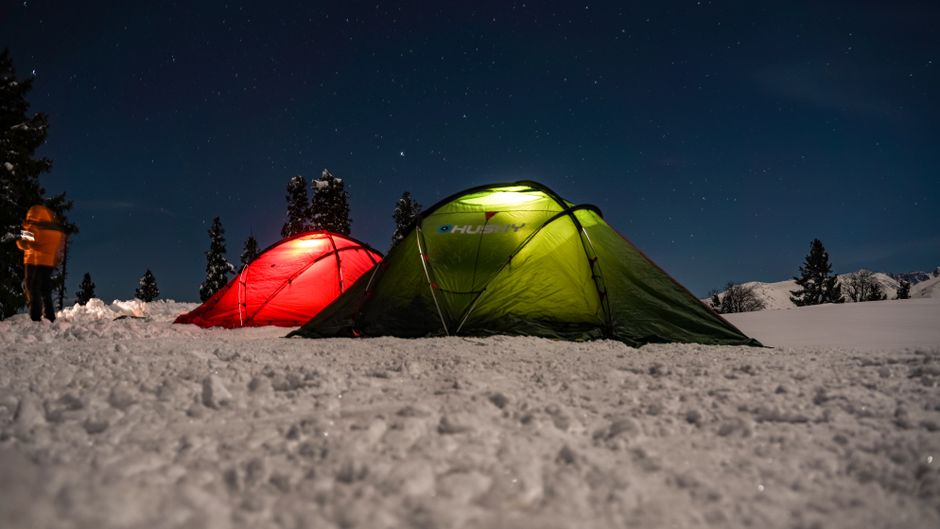
How to Wash Your Tent Safely
Hand washing is the most effective and safest method for cleaning your tent. Fill a tub or large container with cool or lukewarm water, add your chosen soap, and stir to create a mixture. Submerge your tent and gently scrub it with a soft cloth or sponge, focusing on stained areas. Avoid abrasive materials that could damage the fabric.
Never place your tent in a washing machine, this can damage zippers and seams. After washing, rinse thoroughly with clean water to remove all soap residue, preventing deterioration and dirt attraction.
Proper Techniques for Drying Your Tent
Drying your tent is crucial to avoid mold and mildew growth. Whenever possible, air dry it outdoors, laying it flat in a shaded area to prevent UV damage. Direct sunlight can lead to fabric degradation over time.
If you encounter poor weather, hang the tent indoors in a well-ventilated space. Make sure the tent is completely dry before storing it, stowing away even slightly damp tents can create serious issues later.
Optimal Storage Practices After Cleaning
Once your tent is clean and dry, it’s time to store it. Instead of tightly rolling it up, fold it neatly and place it in a breathable bag instead of its original stuff sack. This method helps maintain the tent’s shape and prevents creases that can lead to wear.
Store your tent in a cool, dry location to avoid moisture buildup, which can foster mildew growth, especially if it’s inadvertently packed damp.
Avoid Common Mistakes
Avoid using bleach or fabric softeners, as these can severely damage the tent’s water-repellent coating. Don’t overlook cleaning the stakes and guylines, as dirt on these can transfer back to your tent during subsequent trips.
Regularly inspect your tent throughout the year, even when not in use. A simple visual inspection and spot cleaning can help you catch potential problems before they escalate.
Tips from the Pros for Tent Maintenance
To extend your tent’s life, consider applying a water-repellent treatment after cleaning. Reapplying this treatment annually can help maintain its waterproof qualities, which is crucial for unexpected rain during camping trips. Additionally, if rain is forecasted, set up your tent under trees or a tarp for protection.
Packing a small brush or handheld vacuum in your gear can facilitate quick cleanups of dirt after each trip.
Verdict: Maintain Your Tent for Long-Term Use
By employing proper cleaning and maintenance techniques, you can significantly extend the life of your camping tent. Regular attention not only preserves its condition but ensures you’ll have a reliable shelter for many adventures ahead. Avoid harsh chemicals, wash gently, air dry, and store correctly to ensure your tent remains a faithful companion on your journeys.
A clean tent contributes to a superior camping experience. Implement these steps, and shift your focus from worrying about gear maintenance to enjoying the great outdoors.
We cover stove for hiking in more depth separately.
If that matters to you, our piece on stoves essentials for outdoor goes further.
Frequently Asked Questions
What is the best method to clean a tent?
The best method to clean a tent is to use a solution of mild soap and water. Gently scrub the tent with a soft sponge or cloth, and avoid using harsh chemicals or washing machines.
How do I remove mildew from my camping tent?
To remove mildew, mix equal parts of water and white vinegar and apply it to the affected areas. Allow it to sit for a while before scrubbing gently with a soft brush, and make sure to fully dry the tent afterward to prevent future growth.
Can I put my tent in the washing machine?
No, you should not put your tent in the washing machine as it can damage the fabric and waterproof coating. Instead, it’s best to clean it by hand with a mild soap solution.
Why does my tent smell bad after camping?
A tent may smell bad after camping due to moisture, mildew, or leftover food odors. It’s important to clean and dry it thoroughly after each use to prevent these smells from developing.
How often should you clean a tent?
You should clean your tent whenever it gets dirty or after any significant camping trips, especially if it’s exposed to mud, food, or moisture. Regular maintenance helps prolong its life and performance.