
To learn how to set up a portable grill effectively, start by placing it on a stable, flat surface, ensuring proper ventilation for safe fuel lighting. Many overlook this essential step, which can streamline the entire process and prevent potential hazards. Portable grills offer convenience but require attention to detail for the best cooking experience. With these strategies, you'll enjoy hassle-free grilling and delicious meals.
Let’s dive into the essential steps for setting up your portable grill effectively and avoiding common pitfalls.
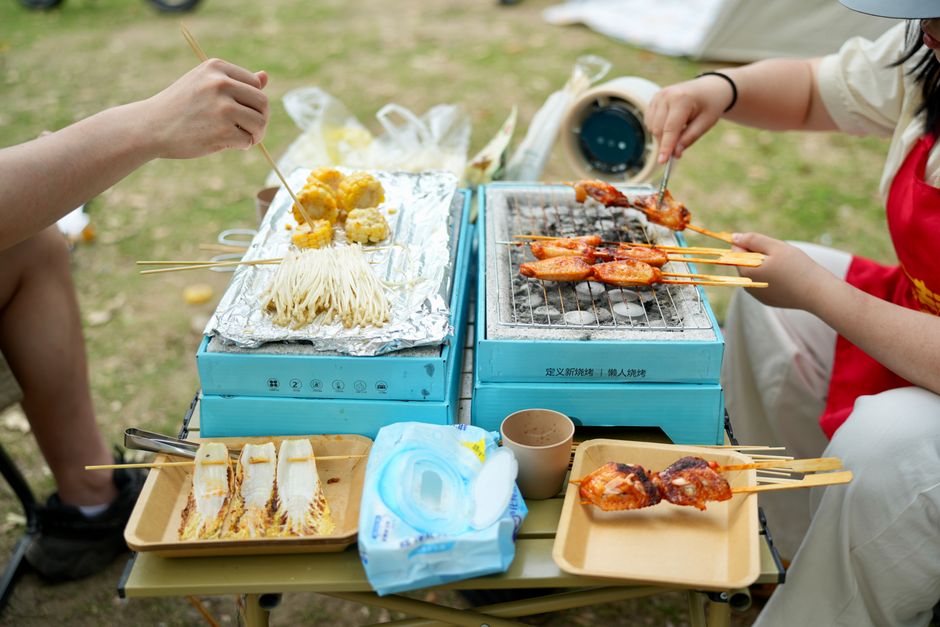
Essential Tools for Your Grill Setup
Before beginning the assembly, gather the necessary tools and materials to streamline your cooking experience. Here’s a checklist to help you prepare:
- Your portable grill
- Fuel source (charcoal or propane)
- A lighter or matches
- Grill tools (spatula, tongs, cleaning brush)
- Water and a fire extinguisher
- Foil and grill mats for easier cleanup
For propane grills, don’t forget a quality propane connector to ensure a secure fit and prevent leaks. Missing essential items can lead to frustration during your cookout.
Assembling Your Portable Grill
With your tools in hand, it’s time to assemble the grill. This process varies by model, so always refer to the user manual first. Ensure you stabilize the grill base properly to prevent tipping during cooking.
Most portable grills consist of key components: the grill body, legs, and lid. For charcoal models, set up the coal tray as well, and tightly secure all clips and latches. A stable setup is vital; neglecting this can lead to dangerous mishaps when grilling.
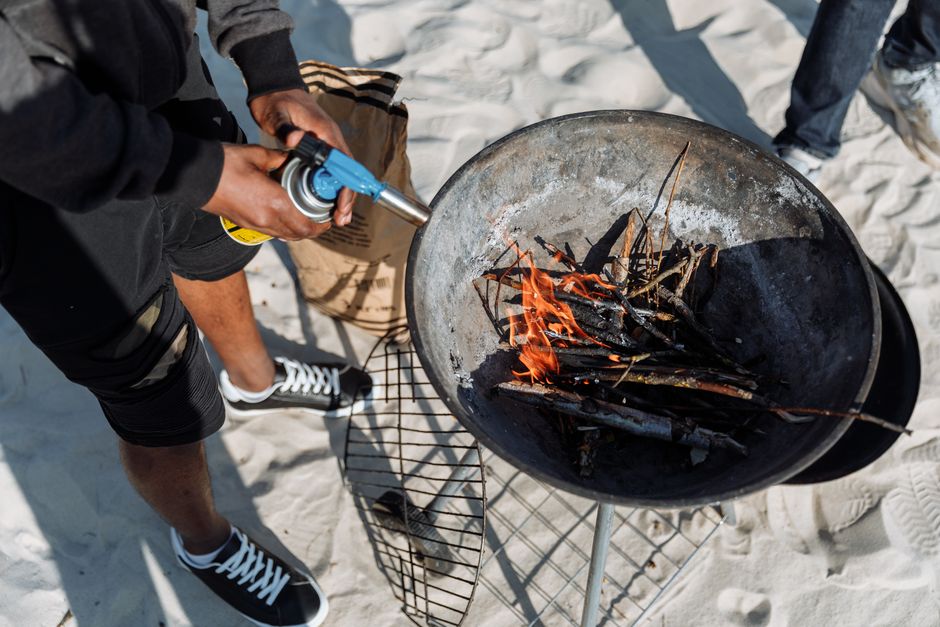
Lighting Your Grill Efficiently
Igniting the grill can be tricky, especially for beginners. Use a chimney starter for charcoal grills to light your coals evenly and quickly. For propane grills, always open the lid before igniting to prevent flare-ups.
Once lit, allow the grill to preheat for 10 to 15 minutes. This step is crucial for cooking food evenly and preventing it from sticking. A common mistake is to place food on the grill too soon, which often results in uneven cooking.
Ensuring Safety While Grilling
Safety should be your top priority. Position your grill on a flat, non-flammable surface, away from overhanging branches. For charcoal grills, have water available for any flare-ups.
Never leave a grilling operation unattended, and ensure your grilling area is well ventilated to prevent carbon monoxide buildup.
Cleaning Your Grill After Cooking
Maintaining hygiene is essential for your grill’s longevity. Avoid the trap of a quick wipe-down; instead, scrape the grates with a stiff brush while they’re still warm. This will simplify the removal of any stuck food.
For a deeper clean, remove the grates and soak them in hot soapy water, drastically reducing scrubbing time later. Remember to empty the grease tray to prevent smoke and unpleasant odors in future cookouts.
Addressing Common Challenges with Portable Grills
Many users underestimate the limited cooking space a portable grill offers. If you’re cooking for several people, assess your space needs carefully. For larger gatherings, consider a more spacious grill or a camping stove grill combo for better flexibility.
While the compact size makes cleaning manageable, debris can still accumulate. Develop a regular cleaning schedule to prevent hidden rust and buildup that can affect grilling performance.
Your Path to Grilling Success
Effective setup transforms outdoor cooking into a reliable and enjoyable experience. Gather your tools, observe safety precautions, and prioritize grill maintenance after every use. While the learning curve can be steep, the satisfaction of a perfectly grilled meal outdoors is priceless.
To explore more about outdoor cooking appliances, check out my article on Camping Stove Propane: What Works and What’s a Waste or discover versatile options in my list of the 7 Best Camping Stove Grill Combo!
Our write-up on packing without picks up where this leaves off.
Frequently Asked Questions
What do you need to assemble a portable grill?
To assemble a portable grill, you typically need the grill itself, a fuel source such as propane or charcoal, and any necessary tools like a screwdriver or wrench, depending on the model. Make sure to also have the user manual on hand for specific assembly instructions.
How do you light a portable propane grill?
To light a portable propane grill, first ensure the propane tank is properly connected and opened. Turn on the grill’s burner, press the igniter button or use a match to light the burner, and adjust the flame to your desired heat level.
Can you use a portable grill indoors?
No, you should never use a portable grill indoors due to the risk of carbon monoxide poisoning and fire hazards. They are specifically designed for outdoor use in well-ventilated areas.
Why does my portable grill flame out?
A portable grill may flame out due to low propane levels, a clogged burner, or wind conditions disrupting the flame. Ensure the propane tank is full and check the burners for blockages to maintain a consistent flame.
How to properly clean a portable grill?
To properly clean a portable grill, wait until it cools down, then scrub the grill grates with a brush and mild soap to remove food residue. Additionally, empty and clean the grease tray, and check the burners for any debris before reassembly.