
To set up a safe outdoor cooking area, choose a location at least 10 feet away from structures and overhanging branches, ensuring adequate ventilation. Many overlook critical safety details that can lead to hazardous situations. By understanding common mistakes and taking proactive measures, you can establish a fun and secure cooking space for everyone.
This guide outlines how to set up a safe outdoor cooking area, emphasizing key elements that shouldn’t be overlooked. From selecting the right location to ensuring you have essential safety equipment, proper planning is crucial.
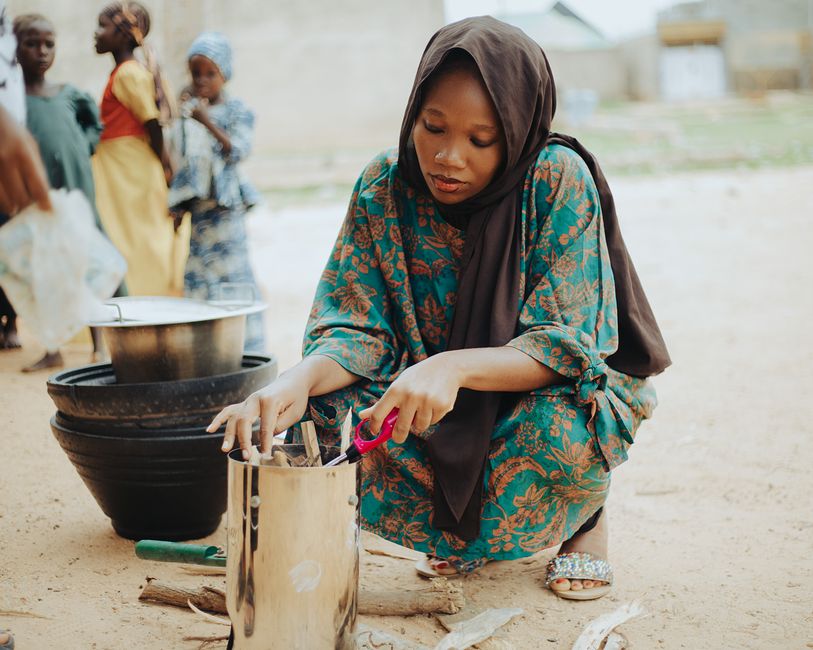
Choose the Right Location to Minimize Fire Hazards
One primary error people make is positioning their grills too close to flammable materials. Placing your grill next to decorations or under a covered patio is dangerous. Ensure your grill is at least ten feet away from structures, trees, and anything that can catch fire. This distance helps minimize risks associated with flare-ups.
Consider the wind direction when selecting your cooking spot. A sudden gust can carry flames or embers to nearby materials. Choose a location that is shielded from strong winds, using natural barriers like bushes or walls for added protection.
Equip Yourself with Necessary Fire Safety Tools
Having the right equipment is essential for safety. Many people use makeshift stands or unstable surfaces, which creates risk. Use sturdy tables or platforms designed for grilling, and ensure that your outdoor cooking equipment is in good condition. If you’re looking for options, check out various models in this article on small camping stoves.
Additionally, assess whether your grill requires propane or charcoal. Each type has specific safety precautions. Propane tanks should be stored upright, away from heat sources, while charcoal needs a dry, ventilated area to prevent moisture-related issues. Also, be cautious with flammable liquids, as many accidents happen due to improper storage or handling.
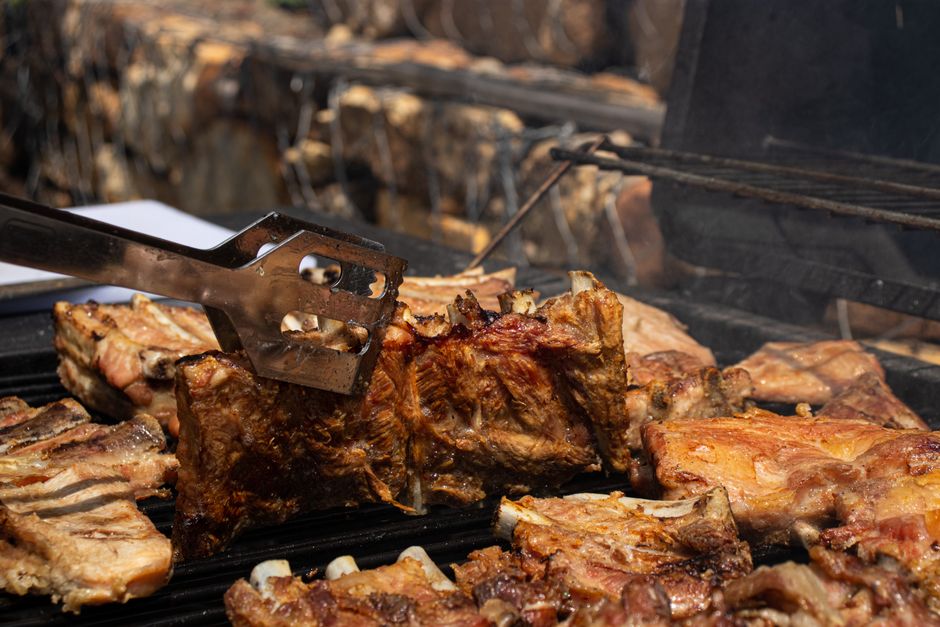
Essential Safety Equipment You Can’t Ignore
Even with precautions, accidents can occur. Having essential safety equipment is non-negotiable. Keep a fire extinguisher rated for grease and flammable liquids within easy reach. Ideally, have one extinguisher for each grilling area, and check them regularly to ensure they are operational.
A first-aid kit is equally important. Cuts and burns are common when cooking outdoors, so be prepared to treat minor injuries. Your kit should include burn cream, adhesive bandages, and antiseptic wipes. Familiarize yourself with how to use the items it’s invaluable during busy cooking times.
Ensure Proper Ventilation and Exhaust
If you’re using a grill that produces fumes or smoke, proper ventilation is critical. Inadequate ventilation can lead to smoke buildup, making the cooking experience unpleasant and unsafe. Choose a location with plenty of airflow to disperse smoke effectively.
When using a propane stove or gas grill, check for gas leaks before lighting the unit, and always follow the manufacturer’s guidelines for safe operation. Keep a wet cloth nearby to smother small flare-ups instead of pouring water directly on flames, which can cause splattering and larger fires.
Monitor Weather Conditions for Increased Safety
Weather significantly impacts outdoor cooking. Wind or impending rain can pose serious risks. Stay updated on weather forecasts before planning your cookout. Cooking in high winds can be hazardous as flames might flare up unexpectedly. If storms are predicted, it’s safer to postpone your grilling.
Avoid cooking in extremely hot weather to reduce the risk of dehydration and heat exhaustion. Heat can sneak up on you quickly over a hot grill, so take breaks to hydrate and check cooking temperatures to maintain safety.
Prioritizing Safety Above All
Setting up a safe outdoor cooking area isn’t just about convenience; it’s vital for protecting yourself and your loved ones during cookouts. From selecting a safe location to using the right equipment and keeping necessary safety items on hand, these decisions are crucial.
By planning and considering all safety aspects, you can enjoy outdoor cooking without unnecessary stress. Prioritize safety equipment, avoid flammable shortcuts, and stay aware of your surroundings. Doing so will ensure a more relaxing experience, allowing you to savor your meal without worrying about potential accidents.
Frequently Asked Questions
What are essential safety tips for outdoor cooking?
Always keep a fire extinguisher and a first aid kit nearby when cooking outdoors. Ensure that children and pets are kept at a safe distance from the cooking area to prevent accidents.
How do you fireproof an outdoor cooking area?
Use fire-resistant materials such as brick, stone, or concrete for the cooking surface and surrounding structures. Additionally, create a clear perimeter around the cooking area by removing any flammable materials like dry leaves or wood.
Can I use a propane grill safely in the backyard?
Yes, a propane grill can be used safely in the backyard, provided it is placed on a stable, flat surface away from flammable materials. Regularly check for gas leaks and ensure the grill is properly maintained.
What equipment is necessary for a safe outdoor kitchen?
Essential equipment includes a sturdy grill or stove, a fire extinguisher, a first aid kit, proper cooking utensils, and storage for food. Additionally, having working lighting can enhance safety during evening cooking.
Why is ventilation important in outdoor cooking setups?
Ventilation helps to disperse smoke, fumes, and harmful gases, reducing the risk of respiratory issues. It also keeps the cooking area comfortable and minimizes heat buildup, contributing to a safer and more enjoyable cooking experience.