
Choosing the right backpack may seem simple, but it often depends on your lifestyle, daily needs, and personal preferences. Two popular styles dominate the market today: minimalist backpacks and functional backpacks. While both serve the purpose of carrying your belongings, they differ greatly in design, features, and use cases. This article explores the key differences to help you decide which backpack suits you best.
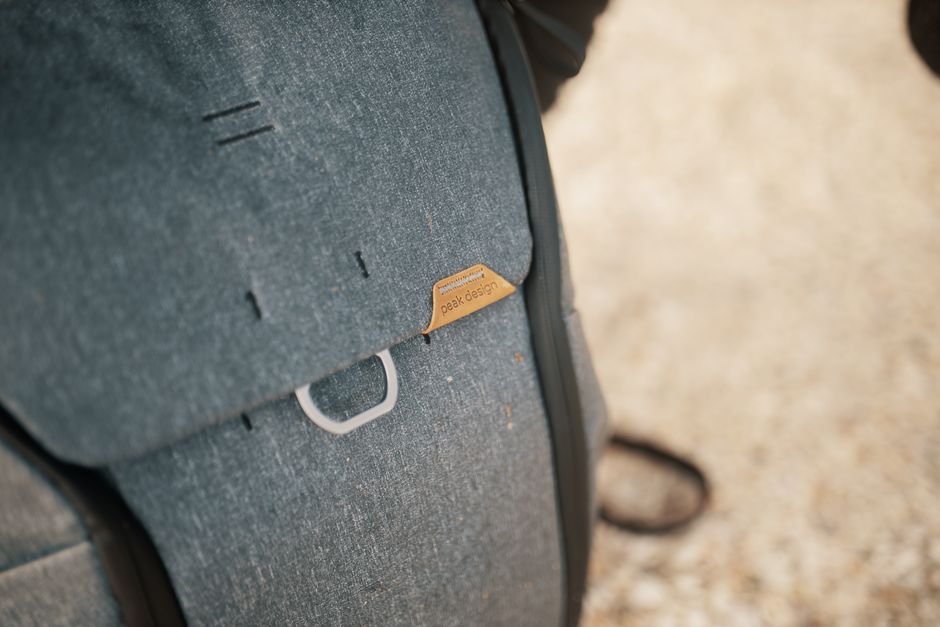
What Is a Minimalist Backpack?
A minimalist backpack focuses on simplicity, clean design, and essential use. It avoids unnecessary features and emphasizes aesthetics and lightweight construction.
Key Characteristics of Minimalist Backpacks
Simple design: Clean lines, neutral colors, and no bulky details
Lightweight: Made with fewer materials to reduce weight
Limited compartments: Usually one main compartment with a small pocket
Stylish appearance: Often designed to complement modern or professional outfits
Best Uses for Minimalist Backpacks
Daily commuting
School or college with light loads
Casual outings
Work environments where style matters
Pros and Cons of Minimalist Backpacks
Pros
Sleek and modern look
Comfortable for light carrying
Easy to organize due to fewer compartments
Cons
Limited storage space
Not ideal for carrying heavy or multiple items
Less support for long hours of wear
What Is a Functional Backpack?
A functional backpack prioritizes practicality, storage, and versatility. It is designed to handle multiple items, longer usage, and more demanding activities.
Key Characteristics of Functional Backpacks
Multiple compartments: Separate sections for laptops, books, bottles, and accessories
Durable materials: Built to withstand heavy use
Ergonomic design: Padded straps and back panels for comfort
Added features: USB ports, waterproofing, chest straps, or expandability
Best Uses for Functional Backpacks
Travel and hiking
School or university with heavy books
Work requiring equipment or gadgets
Outdoor and long-duration activities
Pros and Cons of Functional Backpacks
Pros
High storage capacity
Better weight distribution and comfort
Suitable for diverse activities
Cons
Bulkier and heavier
Less stylish for formal settings
Can feel overwhelming if overpacked
Minimalist vs Functional: Key Differences
| Feature | Minimalist Backpack | Functional Backpack |
|---|---|---|
| Design | Simple and stylish | Practical and detailed |
| Storage | Limited | Large and organized |
| Weight | Lightweight | Heavier |
| Comfort | Basic | Enhanced ergonomic support |
| Best For | Light daily use | Travel, school, outdoor activities |
How to Choose the Right Backpack
Ask yourself the following questions:
Do you carry only essentials or many items daily?
Is style more important than storage for you?
Will you use the backpack for long periods?
Do you need special compartments for devices or gear?
If your routine is simple and you value aesthetics, a minimalist backpack may be perfect. If you need flexibility, comfort, and space, a functional backpack is the better choice.
Cost Considerations
When weighing your options for a backpack, price is a crucial factor. Minimalist backpacks generally range from $30 to $150, depending on brand and materials. You can find high-quality options at various price points.
On the other hand, functional backpacks often cost between $50 and $200. These packs typically feature additional compartments, durability, and tailored designs for specific uses, which can drive up the price. Keep in mind the investment you’re making in functionality versus simplicity.
- Consider your budget and prioritize features.
- Look for sales or discounts to maximize your investment.
- Assess the long-term value; a quality functional backpack may last longer.

Who Each Option Suits Best
Your lifestyle ultimately dictates the best backpack choice. If you’re always on the go and carry the essentials, a minimalist backpack complements your streamlined approach. It suits students or commuters who prefer lightweight travel.
Conversely, a functional backpack is ideal for outdoor enthusiasts or professionals who require specialized storage. If you often haul gear for hiking, work, or various hobbies, this type offers the added organization you need.
Assess what you’ll be carrying daily. This will help tailor your choice to your needs, ensuring you select a backpack that matches your lifestyle.
See also: Insulated Jacket vs Fleece For Backpacking
See also: Rain Jacket vs Windbreaker For Backpacking
Maintenance Tips for Each Type
To extend the life of your backpacks, regular cleaning is crucial. For minimalist options, a quick wipe with a damp cloth can remove dust. Be careful not to use harsh chemicals that could damage the material.
Functional backpacks may require more detailed maintenance. Check zippers and seams regularly for wear. If you notice any issues, address them quickly to prevent further damage.
For both styles, store them in a cool, dry place to avoid mildew and damage. This makes a big difference in durability. Make sure to empty pockets to prevent forgotten items from spoiling.
Comparison of Durability and Weather Resistance
Durability varies significantly between minimalist and functional options. Minimalist backpacks often prioritize lightweight materials. This can compromise their longevity. Functional backpacks, however, tend to use tougher fabrics that withstand rough use.
Weather resistance is another crucial factor. Many functional backpacks feature water-resistant materials and sealed seams. In contrast, minimalists might not prioritize this aspect, which is vital for outdoor adventures. Look for key features like rain covers, which can protect your gear from sudden showers.
Conclusion
Both minimalist and functional backpacks serve distinct purposes, and neither is universally better than the other. A minimalist backpack is ideal for those who prefer simplicity, style, and light carrying, while a functional backpack is best for individuals who need organization, durability, and comfort for heavier loads.
By understanding your daily needs and lifestyle, you can confidently choose the backpack that supports you best both practically and visually. For more insights into sustainable options for minimalist backpacks, visit sustainable options.