
A good sleeping bag can cost between $50 and $300, but investing in one is crucial for staying warm while camping. In colder conditions, sleeping bags offer better insulation and packability than blankets, which can significantly affect your comfort in the great outdoors.
Let’s unravel the details, weighing the benefits and drawbacks of each option, so you can confidently make your choice based on your unique camping conditions and comfort needs.
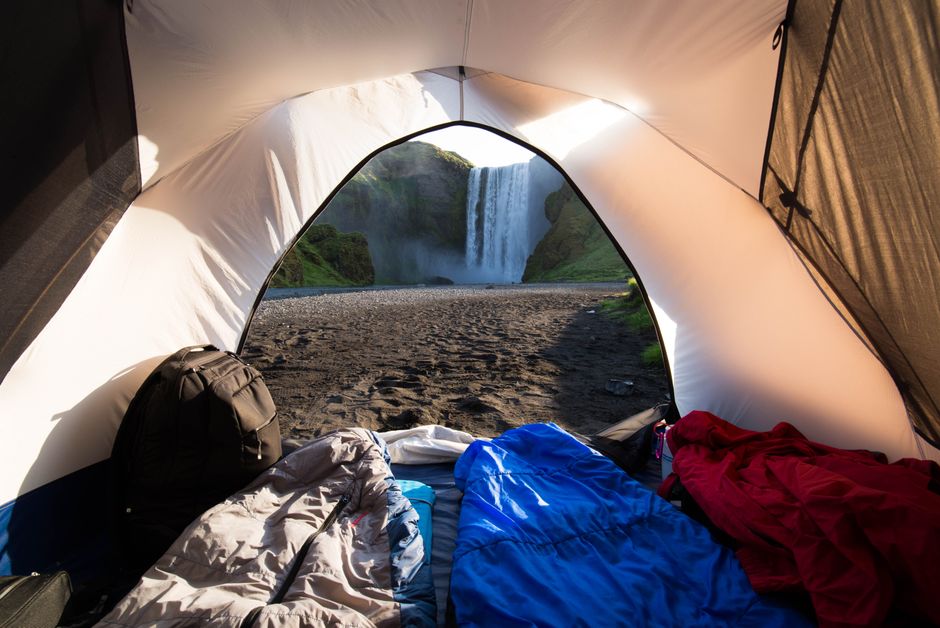
Key Differences Between Sleeping Bags and Blankets
When assessing sleeping bags and blankets, you need to consider three key attributes: warmth retention, weight, and packability. Sleeping bags are specifically designed to trap heat, often featuring insulated materials that work to keep you warm even in freezing temperatures. In contrast, blankets may not provide the same level of warmth unless you’re using a high-quality, insulated version.
Furthermore, sleeping bags typically weigh less and are more packable than blankets. A standard sleeping bag can compress to a compact size, making it easier to transport. Most sleeping bags weigh between 2 to 5 pounds, while a heavy blanket might weigh around 3 to 6 pounds and take up significantly more space in your pack.
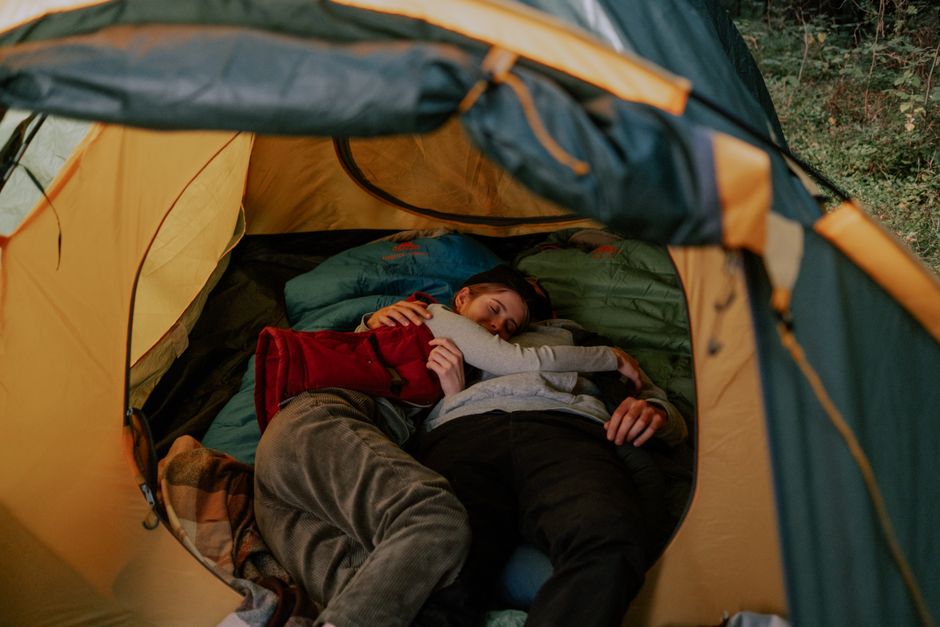
Assessing Camping Conditions: When to Use Each
The choice between a sleeping bag and a blanket often depends on your camping environment. If you’re venturing into cooler regions or planning to camp during the fall or winter, a sleeping bag is essential. Its design provides more insulation against the cold, with many featuring temperature ratings suited for chilly nights.
Conversely, if you’re planning a summer camping trip in a warmer location, a blanket can sometimes suffice, especially if temperatures are expected to be mild. However, it’s vital to ensure the blanket is made from a lightweight, breathable material if moisture is a concern. Keep in mind that in situations where you misjudge the weather, a blanket may leave you uncomfortably cold at night.
Versatility: Where Each Gear Excels
While sleeping bags are great for insulation, blankets have an edge in versatility. You can easily use a blanket for lounging around the campfire, picnicking, or as an extra layer on top of your sleeping bag when it’s particularly cold.
Blankets often serve as a multi-purpose item that can be enjoyed in multiple situations, but you still have to weigh that against their potential lack of warmth during the night.
Additionally, blankets are often easier to clean than sleeping bags. Most blankets are machine washable, while sleeping bags usually require special care, especially those with down insulation. If you often encounter muddy conditions or spills, this ease of cleaning might sway your decision towards a blanket.
Price and Value Considerations
From a cost perspective, the choice can vary significantly based on your preferences and intended use. Entry-level sleeping bags can start around 50 to 100 dollars, while higher-quality options can shoot up to 300 dollars or more depending on materials and insulation technology. On the other hand, a basic blanket will generally cost between 30 to 75 dollars, which might make it appealing if you’re operating on a tight budget.
However, it’s crucial to remember that investing in a good sleeping bag can be more economical long-term if you plan on camping frequently in diverse conditions. A high-quality sleeping bag will provide better insulation, comfort, and durability that a standard blanket may not offer, so consider the number of nights you’ll use your gear as part of your cost analysis.
Comfort and Fit: Personal Preference Matters
Ultimately, comfort is subjective, and personal preference plays a huge role in choosing between a sleeping bag and a blanket. Some campers swear by the coziness of a sleeping bag, feeling snug and secure within its confines. Others prefer the freedom of movement that a blanket allows, opting for comfort that feels less restrictive.
Moreover, keep in mind your sleeping position. Side sleepers might find a sleeping bag constricting, while back sleepers may appreciate the cozy enclosure. Trying each option during a camping trip can help you find your sweet spot in terms of comfort and fit.
Avoiding Common Mistakes When Choosing Gear
Many campers mistakenly assume that lighter gear always equals easier handling, but that’s not always the case. You’ll want to consider what you prioritize more: comfort or convenience. Sometimes, carrying a little extra weight in a sleeping bag could mean a much warmer and more restful night.
Also, don’t overlook the importance of temperature ratings. Many people find themselves shivering without considering what their gear is rated for and end up cold. Familiarize yourself with the temperature requirements for your specific camping trip to ensure you’re equipped adequately, whether that means digging deeper into your pockets for a premium sleeping bag or opting for an insulated blanket you can layer.
There is more on budget camping elsewhere on the site.
Conclusion: Choosing the Right Gear for Your Camping Needs
For serious camping in chilly weather, I recommend a sleeping bag due to its superior warmth retention and lightweight design. A blanket works well for summer camping at established sites, where milder temperatures allow for more flexibility.
Frequently Asked Questions
What is better for camping, a sleeping bag or a blanket?
A sleeping bag is generally better for camping due to its design that provides warmth and insulation, especially in colder environments. It also offers a cozy enclosure, which can be beneficial in various weather conditions.
Why use a blanket instead of a sleeping bag for camping?
Using a blanket can be advantageous for those who prefer more flexibility and ventilation while sleeping. Blankets can be easier to adjust for temperature control and might be lighter and less bulky than a sleeping bag.
How do sleeping bags compare to blankets in terms of warmth?
Sleeping bags typically offer superior warmth because they are constructed with insulation designed to trap heat. Blankets may not provide the same level of thermal efficiency, particularly in colder conditions.
Can you use a regular blanket for camping?
Yes, you can use a regular blanket for camping, but it may not provide adequate warmth and protection against the elements. It's best to choose a blanket that is thick and suitable for outdoor use.
How do sleeping bags and blankets impact backpack weight?
Sleeping bags usually weigh more than blankets because of their insulation and design features. However, using a lightweight sleeping bag can be comparable to using several blankets, so the choice may depend on the specific items' weight and size.
When deciding between a sleeping bag vs blanket for camping, consider your specific needs and environment.