
When it comes to traveling to India, you're in for a treat. India is a land of rich culture, diverse traditions, and a kaleidoscope of colors. As you prepare for your journey, one of the essential aspects to consider is what to wear in India. Dressing appropriately not only ensures your comfort but also shows respect for the local customs and traditions.
In this comprehensive guide, we'll provide you with invaluable insights on what to wear in India to make your trip memorable and hassle-free.
Understanding India's Diversity
India is a vast country with a multitude of climates and cultures. Before packing your bags, it's crucial to comprehend the regional variations that exist. The clothing you choose will largely depend on the specific regions you plan to visit. Here's a breakdown of India's diverse climates:
Northern India
Northern India experiences extreme temperatures. During the scorching summers, lightweight and breathable clothing is a must. Cotton and linen are your best friends, along with wide-brimmed hats and sunglasses to shield yourself from the sun. In winters, especially in regions like Himachal Pradesh and Uttarakhand, don't forget to pack warm layers, including sweaters and jackets.
Southern India
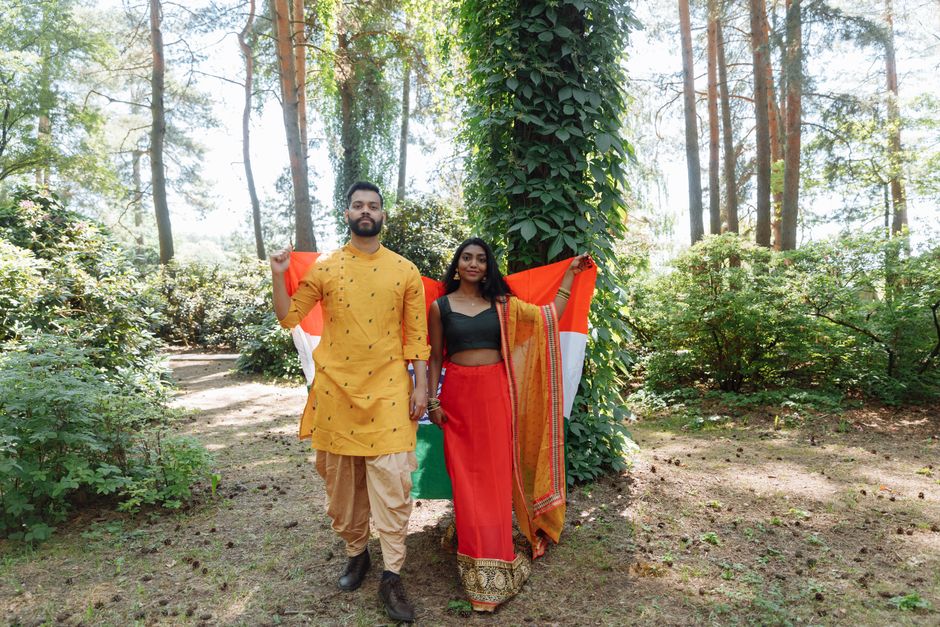
Southern India enjoys a tropical climate for most of the year. Light, airy, and comfortable clothing is ideal. Women can opt for sarees or salwar kameez, while men can wear dhotis or lungis. Don't forget sunscreen and a wide-brimmed hat to protect yourself from the relentless sun.
Western India
Places like Rajasthan and Gujarat in western India have a desert climate. Loose-fitting, full-length clothing made from natural fabrics like cotton is recommended to keep cool. Women can explore the beauty of traditional Rajasthani attire like ghagra cholis and lehengas.
Eastern India
Eastern India, including West Bengal and Odisha, experiences hot and humid weather during the summers. Light, airy clothes are essential. Sarees are a popular choice for women, while men can go for dhotis and kurta.
Dress Code for Tourists
While India is known for its traditional attire, tourists are not expected to dress in local clothing. However, it's crucial to be respectful and mindful of local customs, especially when visiting religious sites and rural areas. Here are some tips on what to wear as a tourist:
1. Modesty is Key
India is a conservative country, and it's advisable to dress modestly. For women, knee-length skirts or pants paired with tops that cover the shoulders are appropriate. Avoid low-cut tops or short shorts. Men should wear pants or knee-length shorts along with shirts.
2. Footwear
Comfortable and sturdy footwear is a must, especially if you plan to explore temples and historical sites. Sandals or closed-toe shoes with good grip are ideal.
3. Cultural Sensitivity
When visiting places of worship, such as temples, mosques, or gurudwaras, it's customary to cover your head. Carry a scarf or a stole that you can use for this purpose.
4. Dressing for Special Occasions
If you're attending a traditional Indian wedding or festival, consider renting or buying traditional Indian attire. It's an excellent opportunity to embrace the local culture fully.
Packing Essentials
Now that you have a better understanding of what to wear in India, let's discuss some essential items to include in your packing list:
1. Sun Protection
Carry sunscreen, sunglasses, and a wide-brimmed hat to shield yourself from the harsh Indian sun.
2. Insect Repellent
In tropical regions, mosquito repellent is a lifesaver. Be sure to pack it to avoid pesky insect bites.
3. Comfortable Shoes
Walking is a common mode of transportation in India. Make sure to bring comfortable shoes for sightseeing.
4. Shawl or Scarf
A versatile shawl or scarf can serve multiple purposes, from covering your head at religious sites to keeping warm in chilly evenings.
5. Adapter and Voltage Converter
India uses Type D and Type M electrical outlets. Ensure you have the appropriate adapter and voltage converter if needed.
Common Mistakes to Avoid
One frequent mistake is underestimating the heat. Many travelers pack heavy clothing, thinking they will need warmth for cooler evenings. Instead, prioritize breathable fabrics like cotton and linen to stay comfortable during the day.
Another error is disregarding local customs. For example, wearing shorts or sleeveless tops might be acceptable in touristy areas but can draw disapproving looks in more traditional settings. Always check the norms of the specific region you are visiting.
Comparing Clothing Options
When deciding what to wear, consider the differences between Western attire and traditional Indian clothing. Cotton kurtas are a popular choice for men, offering breathability and style. Women can wear kurti tops paired with lightweight palazzos or dupattas for versatility.
Western-style clothing may be convenient but can sometimes feel out of place, especially in rural regions. Traditional garments often make you feel more connected to the culture. Weigh comfort against cultural immersion to find the best balance for your trip.
Cost and Maintenance
Purchasing traditional outfits in India can be very affordable. A simple cotton kurta can cost as little as 500 INR (about $6). Shopping in local markets often yields better prices than in boutiques.
However, plan for laundry care. Lightweight garments dry quickly. You can wash them in a hotel sink if needed. Always bring a travel-sized detergent to simplify maintenance on the go.
Who Each Option Suits
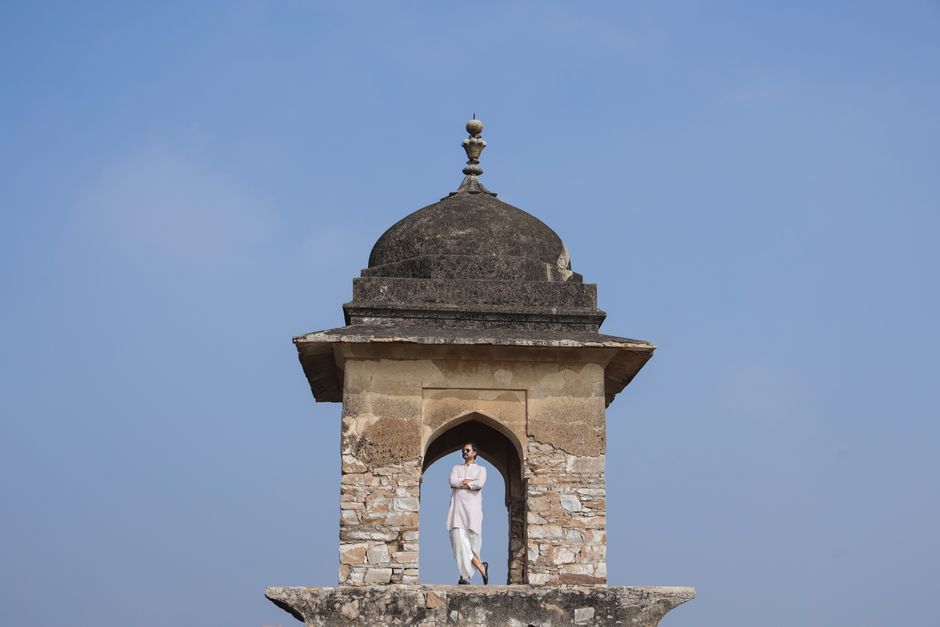
Cotton clothing fits a wide range of body types, providing comfort and style for everyone. If you prefer elegance, silk sarees are perfect for formal occasions but can be tricky for beginners. Choose lightweight options if you’re new to style.
Men traveling for business may favor dress shirts paired with lightweight chinos. This combination looks polished yet stays cool. Always consider your daily activities when selecting your wardrobe to ensure you feel at ease wherever you go.
See also: What to Wear for Red Sea Holidays
Conclusion
Traveling to India is an enriching experience, and dressing appropriately can enhance your journey. Remember to consider the regional climate, adhere to cultural norms, and pack essentials for a comfortable and respectful visit. By following these guidelines on what to wear in India, you'll be well-prepared to explore this incredible country and create lasting memories.