
When it comes to visiting the tropical paradise of Sri Lanka, one of the first questions that might pop into your mind is, "What should I wear?" The island nation, with its stunning beaches, lush jungles, and rich cultural heritage, offers a diverse range of experiences.
As such, knowing what to pack in your suitcase is crucial to ensure you're comfortable, respectful of local customs, and ready for all the adventures that await. In this comprehensive guide, we will walk you through the dos and don'ts of dressing in Sri Lanka to make your trip memorable and hassle-free.
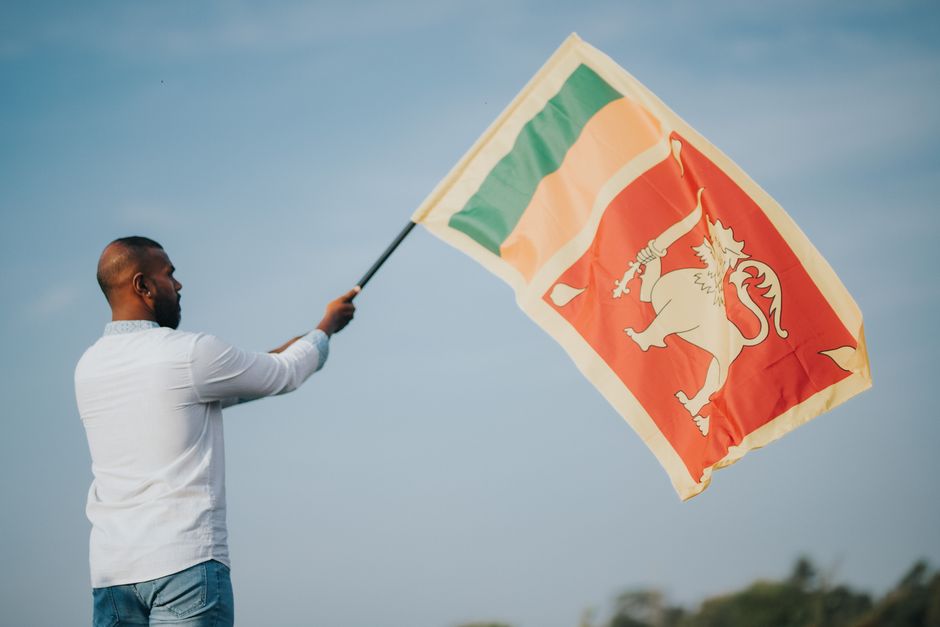
Understanding Sri Lanka's Climate
Sri Lanka is known for its tropical climate, characterized by two main monsoon seasons—the Southwest monsoon (Yala) and the Northeast monsoon (Maha). It's essential to consider the weather when deciding what to wear during your trip.
1. Dressing for the Weather
Yala Season (May to September): This is the dry season in the southwestern part of Sri Lanka. Light and breathable clothing like cotton or linen is your best bet. Don't forget to pack sunscreen, sunglasses, and a wide-brimmed hat to protect yourself from the strong sun.
Maha Season (October to April): The northeastern monsoon brings rain to the northern and eastern regions. A lightweight rain jacket or umbrella is essential during this period. Quick-dry clothing and waterproof footwear can also be beneficial.
Respect for Local Customs
Sri Lanka is a country with a deep-rooted cultural and religious heritage, and it's essential to dress modestly, especially when visiting temples and sacred sites. Here are some guidelines:
2. Visiting Temples and Religious Sites
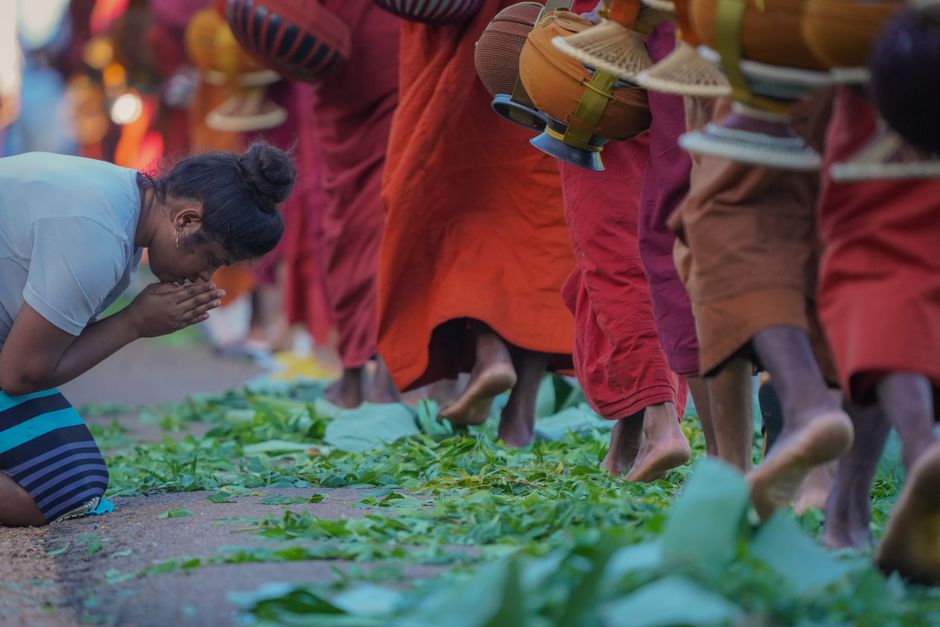
Cover Your Shoulders and Knees: When entering Buddhist temples, both men and women should ensure their shoulders and knees are covered. Carrying a scarf or a shawl can be helpful to cover up when needed.
Remove Your Shoes: It's customary to remove your shoes before entering temples. Wearing slip-on shoes can make this process more convenient.
3. Beachwear and Swimwear
Sri Lanka boasts some of the most beautiful beaches in the world. However, it's important to be mindful of local customs even at the beach:
Cover Up When Leaving the Beach: Wearing beach attire like swimsuits and bikinis is perfectly fine at the beach. However, it's respectful to cover up with a sarong or a beach cover-up when you're not on the beach.
Dressing for Outdoor Adventures
Sri Lanka offers a wide range of outdoor activities, from hiking in the lush rainforests to exploring wildlife in national parks. Here's how to dress for adventure:
4. Hiking and Trekking
Comfortable Footwear: Sturdy, comfortable hiking shoes or boots are a must. Don't forget moisture-wicking socks to keep your feet dry during treks.
Light Layers: Dress in layers so you can adapt to changing temperatures. Moisture-wicking and breathable fabrics are ideal to keep you comfortable during long hikes.
5. Wildlife Safaris
Neutral Colors: When going on a safari, wear neutral, earthy tones to blend in with the surroundings and not disturb the wildlife.
Evening Attire
Sri Lanka offers vibrant nightlife, especially in cities like Colombo and Kandy. Here's what to wear for a night out:
6. Casual Evening Out
Smart-Casual Attire: A nice blouse or shirt paired with well-fitted trousers or a skirt is a great choice for a casual evening out.
7. Fine Dining and Special Occasions
Elegant Evening Wear: If you plan to dine at upscale restaurants or attend special events, pack some formal attire. A cocktail dress for women and a suit for men would be appropriate.
Common Clothing Mistakes to Avoid
Many travelers pack clothing that doesn't suit the local climate or customs. For instance, avoiding overly tight or revealing outfits is crucial. This oversight can lead to discomfort and unwanted attention.
Another mistake is neglecting proper footwear. Flip-flops might seem convenient for beach outings, but sturdy sandals or closed-toe shoes are essential for exploring cities or hiking trails. Additionally, remember that some historic sites require appropriate dress, so failing to bring long pants or sleeves can hinder your experience.
Budget Considerations for Packing
Packing smartly can save you money while ensuring comfort. Lightweight, quick-drying fabrics are usually more affordable and easier to care for in tropical climates. You can often find budget-friendly options in local markets, so consider limiting high-cost items.
Opt for versatile pieces that mix and match well, reducing the need for extensive clothing. For example, a simple dress can serve as beachwear by day and a dinner option at night. This approach minimizes the amount you spend while maximizing outfit choices.
- Consider buying lightweight clothes locally.
- Choose multipurpose items to reduce costs.
- Check local markets for affordable options.
Maintenance of Your Travel Wardrobe
Maintaining your clothes while traveling doesn’t have to be a hassle. Select quick-drying materials that you can wash and wear again without the extended drying time. This feature makes it easy to freshen up outfits on the go.
Bring a small amount of laundry soap or laundry sheets for quick washes. Always pack a portable clothesline or use a hangar for drying items in your hotel room. This method allows you to keep your wardrobe in good condition without needing to find laundromats.
See also: What to Wear for Red Sea Holidays
Conclusion
In conclusion, what you wear in Sri Lanka can greatly impact your overall experience. By respecting the local customs, dressing appropriately for the weather, and packing for various activities, you can ensure a comfortable and enjoyable trip. Remember, blending comfort with cultural awareness is the key to making the most of your visit to this beautiful island nation.
For additional guidance on How to pack, visit this link on what to wear in Sri Lanka.