
What to Wear in Norway in Winter for Ultimate Comfort and Style is essential for thriving in temperatures that often dip below -10°C (14°F). Prioritize layering with thermal base layers, a waterproof and windproof outer shell, and insulated accessories like gloves and hats to ensure warmth and mobility amidst the breathtaking snowy landscapes and vibrant Northern Lights.
Here’s a detailed guide on what to wear to stay warm, comfortable, and stylish during your Norwegian winter journey.
Layering: The Key to Staying Warm
The secret to dressing for the Norwegian winter is layering. This approach helps trap heat, provides flexibility, and allows you to adjust your clothing to different indoor and outdoor environments.
1. Base Layer: Moisture-Wicking Essentials
Materials: Merino wool or synthetic fabrics.
Purpose: To wick moisture away from your skin and keep you dry.
Items: Thermal underwear, long-sleeve tops, and leggings.
2. Mid Layer: Insulation
Materials: Fleece, down, or wool.
Purpose: To retain body heat.
Items: Fleece jackets, down vests, wool sweaters.
3. Outer Layer: Protection Against the Elements
Materials: Waterproof and windproof fabrics.
Purpose: To shield you from wind, snow, and rain.
Items: Insulated and waterproof jackets and pants.
Footwear: Keeping Your Feet Warm and Dry
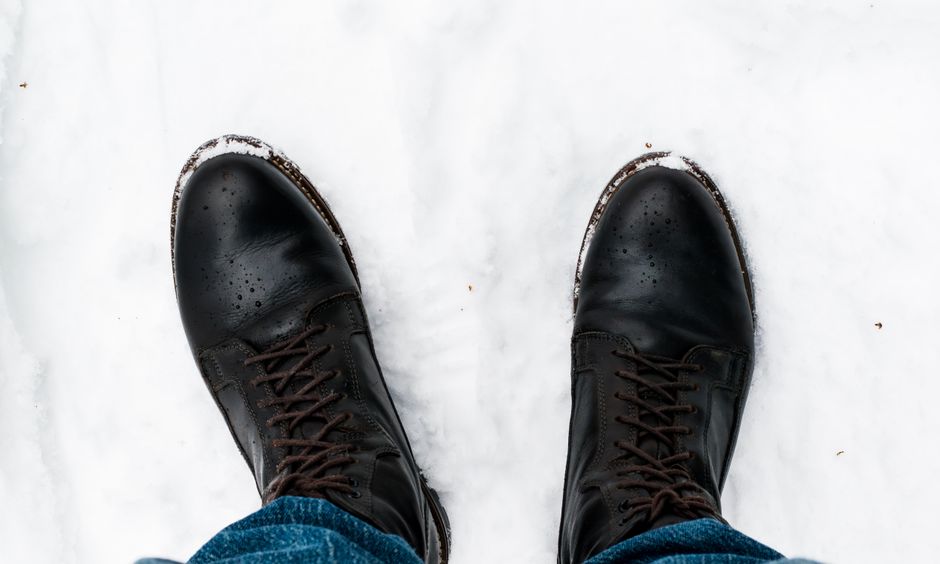
Insulated Boots: Ensure they are waterproof and have a good grip for icy conditions.
Wool Socks: Preferably merino wool for warmth and moisture management. Consider layering with thinner liner socks for added insulation.
Gaiters: Useful for deep snow to keep snow out of your boots.
Accessories: Essential Extras
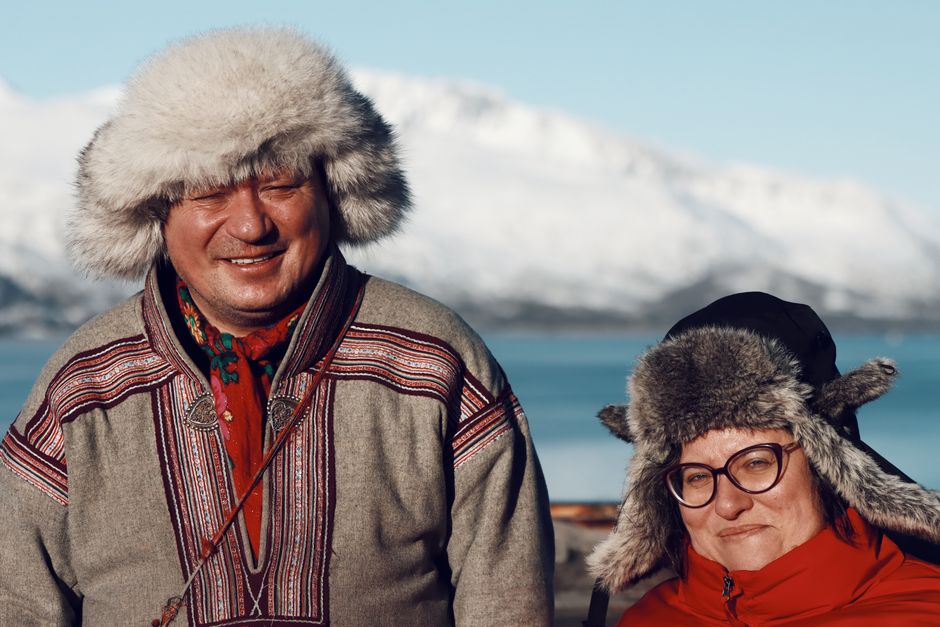
Hats: Wool or fleece hats that cover your ears are essential. For extremely cold days, consider a balaclava or a fur-lined hat.
Gloves: Insulated, waterproof gloves are a must. Layering with glove liners can provide extra warmth.
Scarves and Neck Gaiters: Protect your neck and lower face from the cold wind.
Thermal Underwear: Essential for extra warmth on particularly cold days.
Hand and Foot Warmers: Disposable warmers can be a lifesaver during extended outdoor activities.
Specific Clothing Recommendations
1. For Casual Wear:
Jeans with thermal leggings underneath.
Sweaters or hoodies as mid layers.
Insulated winter coat.
2. For Outdoor Activities:
Ski pants or insulated hiking pants.
Breathable, waterproof jackets.
Layered thermal tops and bottoms.
3. For Northern Lights Viewing:
Extra layers, as you’ll be standing still in the cold for extended periods.
Insulated sleeping bag or blanket for added warmth.
4. For City Exploration:
Stylish yet functional coats.
Warm, comfortable walking boots.
Layers that can be easily adjusted when moving between indoor and outdoor settings.
Common Mistakes When Dressing for Norwegian Winters
One common mistake is choosing fashion over function. Opting for stylish-but-inadequate outerwear can leave you freezing. Always prioritize warmth and comfort over looks, especially in extreme weather.
Another frequent error is neglecting moisture-wicking layers. Cotton is not your friend in winter. Instead, wear materials like merino wool or synthetic fibers that pull sweat away from your skin and maintain warmth.
Many travelers also forget to consider wind chill. You might feel fine at the start of the day, but strong winds can make conditions feel dramatically colder. Make sure you have wind-resistant outer layers.
- Choose insulated, waterproof boots.
- Layer properly to prevent overheating.
- Always pack an extra pair of gloves or mittens.
Budgeting for Winter Clothing in Norway
Winter attire can range significantly in price, so knowing your budget is crucial. Expect to spend around $200 to $600 for essential layers, depending on the brand and quality. High-end thermals and outerwear can cost more but will last longer.
Consider second-hand options or off-season sales for good deals. Websites and stores specializing in outdoor gear often have clearance items. For instance, a warm, quality down jacket can usually be found for around $150 during sales. If you're curious about what to wear in Norway in winter, check this packing list for further insight.
Your investment in winter clothing should align with how often you'll use it. If you plan regular trips to cold climates, spending more upfront on durable items saves money in the long run. You’ll build a versatile wardrobe that keeps you comfortable and warm for winters to come.
Maintenance Tips for Winter Clothing
Proper maintenance extends the life of your winter gear, ensuring it remains effective. Start by following care instructions for each item. Washing technical fabrics incorrectly can damage their insulation properties.
Use a gentle detergent and avoid fabric softeners, which can create a film and reduce breathability. For waterproof jackets, reapply a durable water repellent (DWR) treatment periodically to keep them effective.
Drying techniques are equally important. Air drying is best for delicate items. If you must use a dryer, select a low heat setting to avoid damaging materials. Regularly check for wear and tear, especially on seams and zippers, to catch issues early.
Conclusion
Dressing appropriately for a Norwegian winter is essential for a comfortable and enjoyable experience. By focusing on layered clothing, investing in quality materials, and paying attention to accessories, you can ensure you stay warm and dry in the harshest conditions.
Whether you’re exploring bustling cities, enjoying outdoor adventures, or marveling at the Northern Lights, being well-prepared will allow you to fully embrace the enchanting winter beauty of Norway.