
Scandinavia in winter is a magical wonderland, renowned for its stunning landscapes, Northern Lights, and unique cultural experiences. However, to fully enjoy the beauty of Norway, Sweden, and Denmark during the cold season, dressing appropriately is crucial. This guide will help you navigate the essentials of winter dressing, ensuring you stay warm, comfortable, and stylish.
Understanding Scandinavian Winter Weather
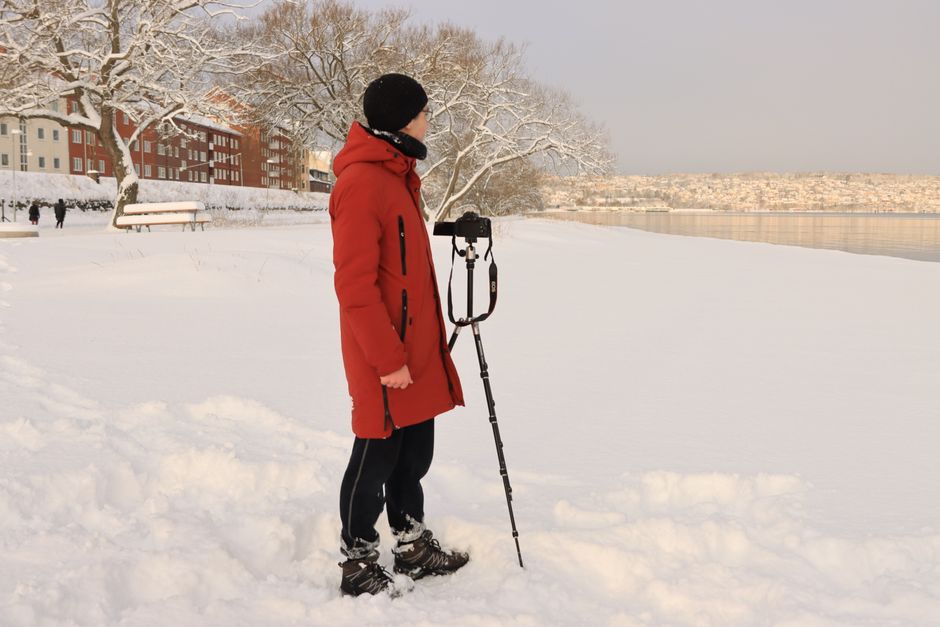
Winter in Scandinavia typically spans from November to March, with temperatures often dropping well below freezing. The weather can be harsh, with snow, ice, and strong winds being common. Norway’s coastal areas might have milder, wetter winters, while the interior and northern regions experience much colder and drier conditions. Sweden and Denmark also have cold winters, with Sweden’s northern areas being particularly frigid.
Key Principles of Dressing for Scandinavian Winter
1. Layering: The most effective way to stay warm is through layering. This method traps heat and allows you to adjust your clothing based on activity levels and changing weather conditions.
2. Moisture Management: Keeping dry is essential for maintaining warmth. Choose moisture-wicking base layers to keep sweat away from your skin.
3. Insulation: Insulating layers, such as fleece or down, help retain body heat.
4. Wind and Water Protection: An outer layer that is both windproof and waterproof will shield you from the elements.
Essential Clothing Items
1. Base Layers:
Thermal Underwear: Choose high-quality thermal underwear made from merino wool or synthetic materials designed for moisture-wicking and warmth.
Socks: Invest in thick, warm socks. Merino wool socks are highly recommended for their warmth and moisture-wicking properties.
2. Middle Layers:
Sweaters and Fleece: A warm sweater or fleece is essential. Wool is a great option for sweaters as it retains heat even when damp.
Insulated Jackets: A down or synthetic insulated jacket provides an excellent additional layer of warmth.
3. Outer Layers:
Winter Coat: A high-quality, insulated, and waterproof winter coat is a must. Parkas with fur-lined hoods offer extra protection against the cold wind.
Snow Pants: If you plan to engage in winter sports or spend significant time outdoors, waterproof snow pants will keep you dry and warm.
4. Footwear:
Winter Boots: Insulated, waterproof boots with good traction are crucial. Look for boots that can handle snow and ice while keeping your feet warm and dry.
Gaiters: These can be worn over your boots to prevent snow from getting inside and provide additional insulation.
5. Accessories:
Hats: A warm hat that covers your ears is essential. Wool or fleece-lined hats provide excellent insulation.
Scarves: A wool or fleece scarf can be wrapped around your neck and face for added warmth.
Gloves or Mittens: Insulated, waterproof gloves or mittens are necessary. Mittens generally offer more warmth, but gloves provide better dexterity.
Thermal Underwear for Hands and Feet: Hand and foot warmers can provide extra warmth during particularly cold spells.
Dressing for Various Activities
City Exploration: For strolling around cities, layering is still important, but you might opt for more stylish outerwear like a wool coat paired with thermal leggings or jeans, and sturdy, fashionable winter boots.
Outdoor Adventures: For skiing, dog sledding, or hiking, prioritize functionality with technical gear designed for extreme cold and physical activity.
Evenings Out: For nights out, dress warmly but consider a more polished look with a stylish coat, warm dress or pants, and accessories that combine fashion with functionality.
Common Mistakes to Avoid
When dressing for winter in Scandinavia, avoid thinking that any heavy coat will suffice. Not all winter jackets are insulated properly. Choose one with down or synthetic insulation for warmth.
Another frequent error is underestimating the importance of layering. Wearing just a few thick items won’t keep you warm if they trap moisture. Layer wisely to maintain warmth and dryness.
Lastly, don’t forget about your extremities. Many travelers neglect hats, gloves, and thermal socks. In extreme cold, these items are crucial for overall comfort and warmth.
Maintenance of Winter Clothing
Proper care can prolong the life of your winter attire. For down jackets, washing them incorrectly can reduce insulation. Always check the care label for specific instructions before laundering.
Invest in a good quality waterproof spray to maintain your outerwear’s effectiveness. Reapplying this treatment regularly helps keep moisture out and prolongs the fabric’s lifespan.
Storing your winter gear correctly is also essential. Clean and completely dry your garments before putting them away. Use breathable garment bags to prevent mildew during off-season storage.
Budget Considerations
Dressing appropriately for Scandinavian winter can be a financial investment. Quality base layers can range from $50 to $150. Brands like Icebreaker and Patagonia are renowned for their warmth and durability.
Outer layers, such as waterproof jackets or snow pants, come with price tags from $100 to over $500. While it may seem steep, investing in high-quality items keeps you warm and comfortable, reducing the need for frequent replacements.
Always target mid-season sales. Late winter or early spring often brings steep discounts. You can find quality options for what to pack at a fraction of the price if you plan ahead.
Conclusion
Dressing appropriately for winter in Scandinavia requires a thoughtful approach to layering and selecting high-quality, weather-appropriate clothing. By investing in good base layers, insulating mid-layers, and protective outer layers, you can comfortably enjoy the myriad of winter activities and breathtaking scenery that Scandinavia offers. Don’t forget the importance of accessories like hats, scarves, and gloves to protect against the biting cold.
With the right wardrobe, your Scandinavian winter experience will be both enjoyable and memorable.