
Struggling to decide what food to bring on your backpacking adventure? You’re not alone. The challenge of packing food that fits within weight limits while providing adequate nutrition can feel overwhelming. After countless trips, I have zeroed in on the types of food that truly satisfy, both in terms of calories and ease of preparation.
What types of food for backpacking? The key is to focus on lightweight, high-calorie options, along with items that have a long shelf life. Here’s how I approach packing food for hiking trips, ensuring I hit the trail ready without carrying extra weight or risking spoilage.
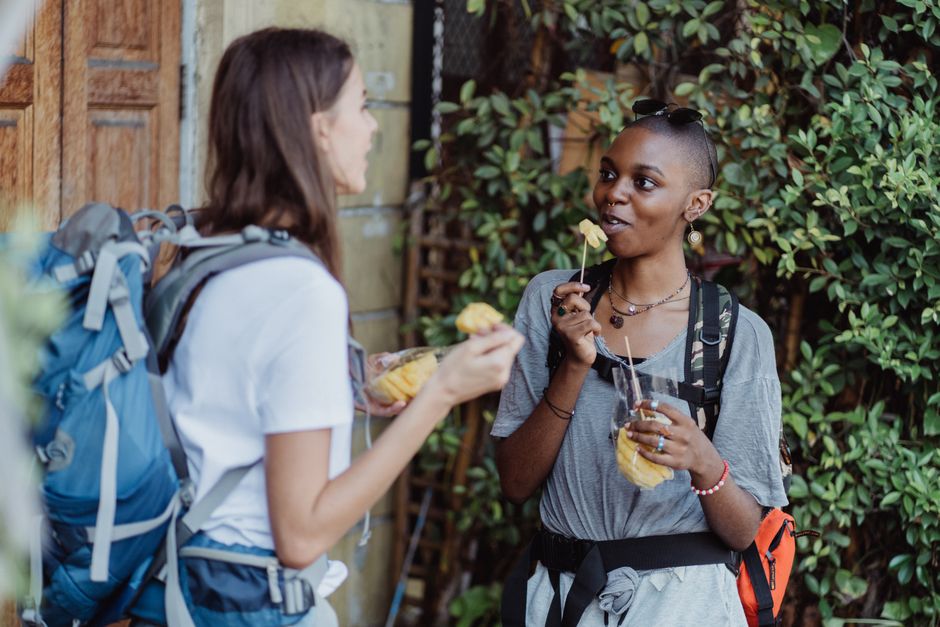
Choosing Lightweight Backpacking Meals
Dehydrated meals have become my go-to. Not only are they considerable in variety, but they also weigh next to nothing. Brands usually offer options like pasta, rice dishes, and even hearty stews. A typical serving weighs about 4 to 8 ounces and often provides 300 to 700 calories, sufficient energy for a long day of hiking. What I love is that they only require hot water and some patience, allowing you to refuel quickly.
When selecting dehydrated meals, look for those that pack in the protein and calories without a lot of preservatives. Many brands now focus on using real ingredients, which reflect in taste. I generally avoid anything that has a high sodium content; while you’re thirsty anyway during hikes, it can exacerbate dehydration.
Another thing to consider is packing instant oatmeal. It’s lightweight, easy to prepare, and offers a warming start to the day. The average serving provides around 150 calories; I often add nuts or dried fruit for an extra energy boost.
High-Energy Snacks for Long Hikes
While meals are essential, snacks provide the quick energy bursts you’ll need throughout the day. Trail mix is a mainstay I can’t recommend highly enough. A combination of nuts, seeds, and dried fruits not only offers a strong ratio of healthy fats, proteins, and sugars but is also easy to customize. You can create a mix containing up to 600 calories in just a small handful, which takes the edge off hunger without weighing you down.
Energy bars are another top snack choice. They’re easy to toss into your pack and require no preparation. However, I do read labels closely, some bars are essentially candy in disguise, while others can pack a serious punch of nutrition. Look for ones with natural ingredients and at least 200 calories per serving. My favorites combine nuts and chocolate for that sweet-salty pull.
Here’s a little trick: If you bring some high-calorie nut butter packets, you can squeeze some into your granola or onto those energy bars for added calories and creaminess.
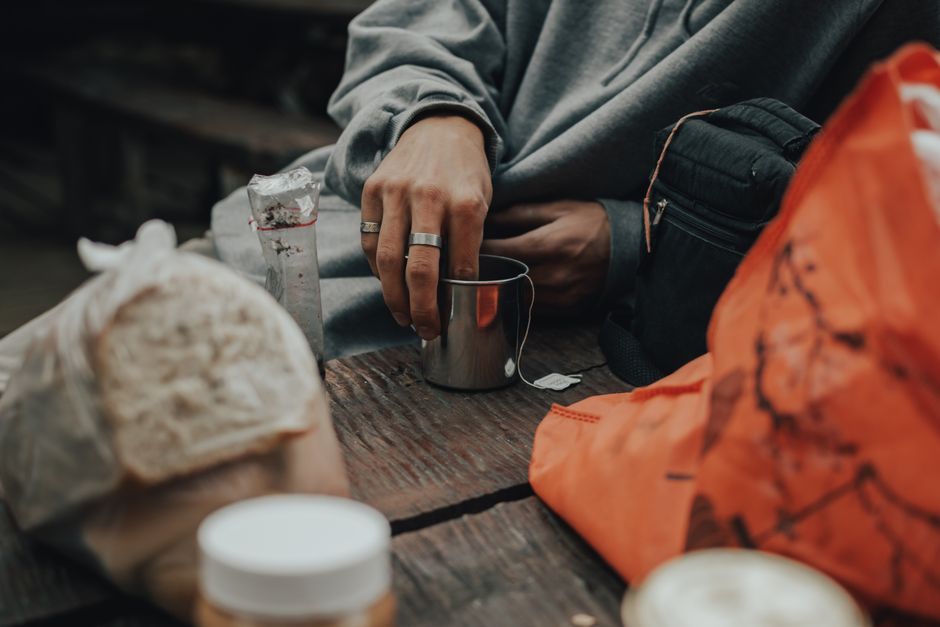
Avoiding Fresh Foods and What to Pack Instead
Packaged foods are often a smarter choice than fresh produce, especially if your trip extends beyond a day or two. Fresh food spoils quickly, and when you’re navigating trails with weight limits, the last thing you want is to carry around rotting fruit or vegetables. I learned this the hard way after packing too many apples on a three-day trip, which ended up being more of a burden than anything.
If you’re determined to have some fresh food, stick with long-lasting items like carrots or citrus fruits. However, for most trips, I’d suggest focusing on shelf-stable items instead. Things like jerky can provide a satisfying chew and are rich in protein. A typical serving is around 1 ounce and gives you 70 to 100 calories.
You can also throw in some hard cheeses, although they aren’t as stable as jerky; they tend to last a few days if kept cool. I find aged cheeses work best for this, as they are less prone to spoilage.
Hydration: Not Food, But Critical
It’s crucial to remember hydration in your food planning. You’ll need enough water to stay alert and energized. If you’re uncertain about finding water along the trail, invest in a lightweight filtration system. You can fill your water bottles from streams or lakes, avoiding the trip with heavy bottles. Also, some hydration packs now come with hydration powders available, which help with replenishing electrolytes during strenuous hikes.
Packing for Weight and Space
A secure way to save weight is by measuring out your food before packing it. A standard rule of thumb is to allocate roughly 1.5 to 2 pounds of food per day, but this can vary. Experienced backpackers often advise keeping it closer to 1.5 pounds daily, especially for shorter trips.
Sealing meals and snacks in lightweight, resealable bags helps with space, making them easier to organize in your pack. For my longer ventures, I also bring a small scale, which ensures I don’t inadvertently overpack.
Finally, I always carry a small, durable pot for cooking. It’s essential for making those dehydrated meals, and it doesn’t add much weight.
Key Takeaways on Packing Food for Backpacking
– Focus on dehydrated meals for lightweight nutrition.
– Snack smart with trail mix and energy bars.
– Skip perishable fresh foods unless your trip is short.
– Consider hydration a priority, and bring gear to filter water if needed.
– Weigh your food and pack it smartly to save space.
This approach keeps my energy levels high and my pack light. With the right food choices, you can fully enjoy your backpacking experience rather than stressing about what to eat.
Don’t forget that proper planning means being ready for anything the trail throws at you.
Frequently Asked Questions (FAQs)
What foods should I avoid for backpacking?
Avoid foods that require refrigeration, perish quickly, or are high in moisture. Fresh produce spoils and can add unnecessary weight to your pack. Foods with excessive sugar or empty calories should also be minimized; they affect energy levels negatively.
How can I pack more efficiently?
Opt for vacuum-sealed or resealable bags for meals and snacks. Measure portions ahead of time, aiming for 1.5 pounds of food per day, and distribute weight evenly throughout your pack.
What’s the best way to prepare food on the trail?
Bringing a small camping stove makes meal preparation straightforward without excessive weight. Dehydrated meals usually only require hot water, so lightweight cooking pots with lids work really well.
How much water should I carry?
Aim to drink at least 2 liters (68 ounces) of water per day while hiking, adjusting for altitude and effort level. Always carry extra water treatment methods or filtration systems for longer hikes.
See also our take on best camping stove.
Worth reading alongside this: travel destinations.