
When preparing for a trip, one of the most important decisions you’ll face is whether to travel with a carry-on bag or check your luggage. Each option comes with its own set of advantages and disadvantages depending on the nature of your travel whether it’s business or leisure, a short trip or a long vacation.
This article breaks down the key differences, pros and cons, and helps you decide what works best for your travel needs.
What is a Carry-On Bag?
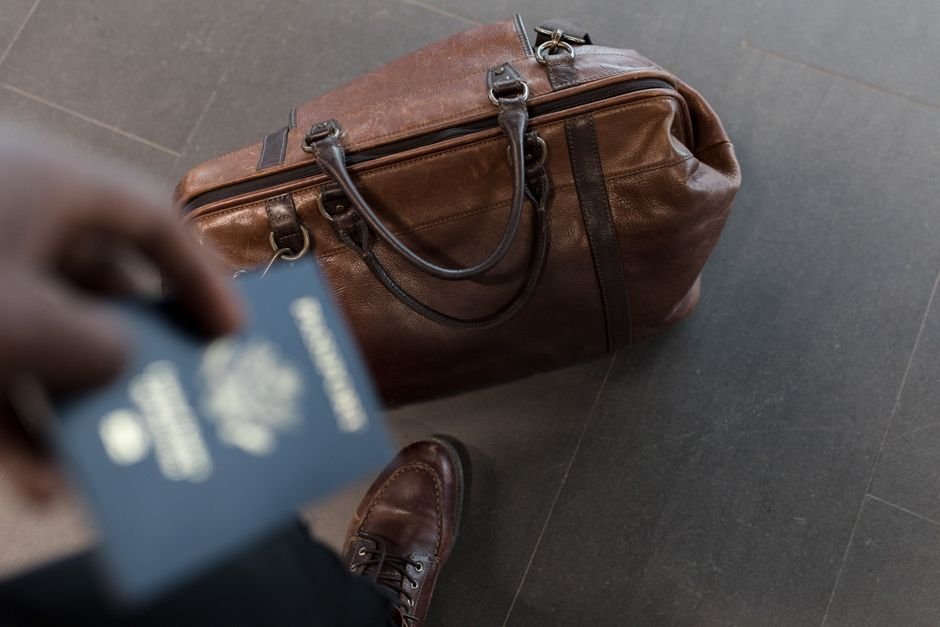
A carry-on bag is a small piece of luggage that you bring into the airplane cabin. Airlines have strict size and weight limits for carry-ons, typically around 22 x 14 x 9 inches (56 x 36 x 23 cm) and 7–10 kg (15–22 lbs) depending on the airline.
Pros of Carry-On Bags
- No waiting at baggage claim: You can grab your bag and go.
- Lower risk of lost luggage: It stays with you the entire time.
- Saves on baggage fees: Many airlines allow one free carry-on.
- Faster airport experience: No need to check in luggage or wait post-flight.
Cons of Carry-On Bags
- Limited space: Not ideal for long trips or bulky items.
- Security restrictions: Liquids must be under 100ml (3.4 oz) and fit in a quart-sized bag.
- Overhead bin competition: Space can run out on full flights.
- Not suitable for all travelers: Families or people with special items may need more space.
What is a Checked Bag?
A checked bag is luggage that you hand over to the airline during check-in. It is stored in the airplane’s cargo hold and retrieved at baggage claim after landing. Checked bags usually have a size limit of 62 linear inches (length + width + height) and can weigh up to 23–32 kg (50–70 lbs) depending on your ticket or airline.
Pros of Checked Bags
- More space: Great for longer trips or packing extra clothing, shoes, and souvenirs.
- Fewer restrictions: No liquid limits or size constraints (within airline rules).
- Convenient for special gear: Ideal for sports equipment, strollers, or musical instruments.
- Hands-free travel: Move through the airport without dragging a heavy bag.
Cons of Checked Bags
- Extra cost: Many airlines charge $25–$50 or more per bag.
- Risk of lost or delayed luggage: Although rare, it happens.
- Longer wait times: You must arrive earlier to check the bag and wait at baggage claim.
- Risk of damage: Items may be mishandled or broken during transit.
Key Differences at a Glance
| Feature | Carry-On Bag | Checked Bag |
|---|---|---|
| Cost | Usually free (on some fares) | Often comes with extra fees |
| Convenience | Fast in/out of the airport | Slower due to check-in and claim |
| Size Limit | Small (usually under 22") | Larger, more flexible |
| Liquid Restrictions | Strict (3.4 oz max) | No limits (except for hazardous) |
| Security Clearance | Must go through TSA screening | Bypasses TSA once checked |
| Risk of Loss | Very low | Higher than carry-on |
| Ideal For | Short trips, light packers | Long trips, heavy packers |
Situational Recommendations
Choose a Carry-On If:
- You’re going on a short business trip or weekend getaway
- You prefer to avoid baggage fees
- You want to minimize time at the airport
- You can pack light and follow TSA guidelines
Choose a Checked Bag If:
- You’re going on a long vacation
- You need to pack formalwear, gear, or extra items
- You’re traveling with children or need special accommodations
- You don’t mind paying a bit more for comfort and flexibility or understanding the carry on vs checked bag options.
Tips for Smart Packing
- Use packing cubes to organize space efficiently.
- Weigh your bags at home to avoid overweight fees.
- Label your luggage with contact info in case it’s lost.
- Bring a personal item (like a backpack or purse) with essentials.
- Pack valuables and medication in your carry-on, never in checked luggage.
Who Each Option Suits Best
A carry-on bag is ideal for minimalist travelers. If you prefer spontaneity and like to skip baggage claims, it suits your style. Short trips, such as weekend getaways or business travel, benefit most from this option.
On the other hand, families or those embarking on long trips often find checked bags more accommodating. A larger suitcase can hold extra clothes, toys for children, or gear for extended travel.
Travelers who prioritize convenience and save time often choose carry-on bags. If you're going for comfort, a checked bag can ease the load in any airport. Assess your personal travel needs to select the right option.
Common Mistakes in Choosing Baggage
Many travelers overlook weight limits when selecting their bags. If you're close to the airline's maximum weight for checked luggage, you could face hefty fees. Conversely, overstuffing a carry-on can lead to gate-checking, especially if the overhead bins are full.
Another common error is packing prohibited items. Ensure you check TSA regulations to avoid confiscation of items like liquids exceeding 3.4 ounces or sharp objects. Knowing these rules prevents unnecessary stress during security checks.
Maintenance and Care for Your Luggage
When traveling with either bag option, care and maintenance are critical for longevity. Carry-on bags should be cleaned regularly, especially if you use them frequently. Wipe down the exterior with a damp cloth to remove dirt or stains.
For checked bags, ensure the zippers and handles function smoothly. Inspect for any damage before and after travels. If your bag has wheels, keep them free of debris to enhance mobility.
Consider registering your luggage with the manufacturer. This way, you can easily access replacement parts if needed. Ensuring proper maintenance can save you from costly replacements.
Our write-up on travel router vs mobile hotspot picks up where this leaves off.
Conclusion
Both carry-on and checked bags have their advantages depending on the nature of your trip. If speed, simplicity, and savings are priorities, a carry-on is likely your best bet. But for extended travel or those who like to be fully prepared, a checked bag can offer peace of mind and extra space.