
Dirty sleeping bags can harbor bacteria and odors, which is why you should wash yours after every three to five camping trips. Neglecting this task can compromise the insulation and make for an uncomfortable night outdoors. Proper cleaning is essential to extend its lifespan and keep it functional.
So, how do you wash a sleeping bag without inadvertently ruining it? The process is not overly complicated, but it does require some careful steps. You need to pay attention to the care label and use the appropriate washing methods. Here’s how you can wash your sleeping bag effectively.
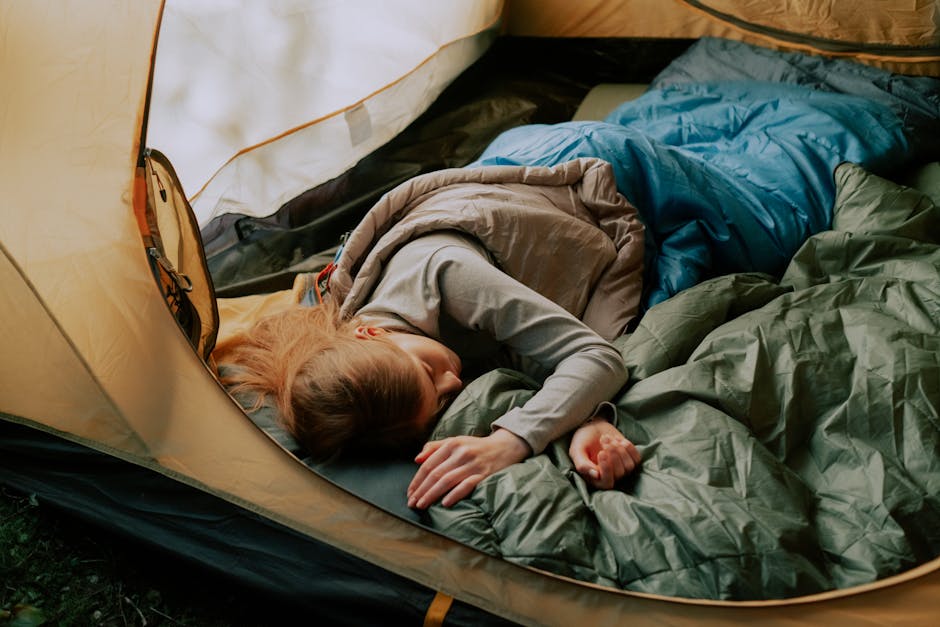
Preparing Your Sleeping Bag for Washing
Before tossing your sleeping bag in the washer, make sure to check the fabric care label. This label provides crucial information about the material type and specific washing instructions. Knowing whether you have a synthetic or down-filled bag will dictate how you proceed. Down sleeping bags, for example, often require more delicate handling compared to synthetic options.
Next, do a quick inspection for any holes or damaged seams. Repair these issues before washing; otherwise, the filling could clump together or be washed out entirely. I recommend using a fabric patch or some iron-on tape for small tears. It’s a small effort that can save you a world of trouble later on.
Choosing the Right Washing Method
Most people often think that a standard machine wash cycle will suffice. However, this can be a risky move, especially if your sleeping bag is down or heavily insulated. Instead, opt for a front-loading washing machine as top-loaders can be too harsh on your bag due to their central agitator.
If you don’t have access to a front-loader, many laundromats do, and it’s worth the trip.
Decide on the washing method: cold water is a must, paired with a gentle detergent. Ordinary laundry detergents may strip the sleeping bag’s insulation properties, so you should use a cleaner specifically designed for down or technical fabrics. That’s your best bet for maintaining the bag’s performance and longevity.
Air Drying Tips for Your Sleeping Bag
After washing, drying your sleeping bag properly is just as important as the washing process. Never put a sleeping bag in a standard dryer without care! Use a low-heat or no-heat setting if your care label permits it. Ideally, you should dry it on a clean, flat surface. This helps prevent any potential thermal damage to the fabric while maintaining the loft of the filling.
If you’re air drying, lay the bag flat in a well-ventilated area, away from direct sunlight. Sunlight can degrade the materials over time, which is another point many people overlook. Flip the bag several times to ensure it dries evenly. Adding a couple of clean tennis balls in the dryer can also help fluff the insulation as it dries.
Common Mistakes to Avoid When Washing Your Sleeping Bag
One pitfall many encounter is using too much detergent. A common belief is that more equals cleaner, but this can lead to a residue buildup that harms insulation. As a rule, stick with the recommended amount. Another mistake is skipping the rinse cycle; doing so may leave detergent trapped within the fibers.
Don’t make the rookie mistake of washing your sleeping bag too frequently. Unless you’ve been camping in particularly muddy conditions, a good wash every few trips is generally sufficient. Frequent washing can wear out the fabric over time.
The Bottom Line: Proper Care Is Essential
For effective cleaning, use a front-loading washing machine and a gentle, specialized detergent to protect the material. This method suits serious campers who need reliable gear, while hand washing may be better for occasional users with less frequent maintenance needs.
Frequently Asked Questions
Can you wash a sleeping bag in a top loader?
Yes, you can wash a sleeping bag in a top loader, but it's important to use a front-loading machine if possible, as they tend to be gentler and have more space. If using a top loader, ensure that the washing machine is large enough to accommodate the sleeping bag without forcing it in.
What detergent is safe for sleeping bags?
Use a mild, gentle detergent that is free of bleach and fabric softeners, as these can damage the insulation and fabric. Some brands specifically make detergents formulated for technical fabrics and outdoor gear.
Why does my sleeping bag lose warmth after washing?
A sleeping bag may lose warmth after washing due to clumping of its insulation, which can occur if it wasn't dried properly or if too much detergent was used. It's crucial to follow proper washing and drying instructions to maintain the loft and insulating properties.
Is air drying a sleeping bag effective?
Air drying can be effective, but it is important to hang the sleeping bag in a shady, well-ventilated area to prevent damage from direct sunlight. Make sure it is fully dried to prevent mold and mildew growth.
How often should I wash my sleeping bag?
You should wash your sleeping bag about once or twice a year, or after several trips, depending on how much it has been used and how dirty it has become. Spot cleaning between washes is recommended for minor stains or odors.
For more information on how to wash sleeping bag effectively, check out this guide.