
Choosing the right sleeping bag rating is essential for a successful outdoor experience, yet many make the mistake of prioritizing price or brand over temperature ratings. A sleeping bag that doesn't match your climate can lead to sleepless nights, whether from being too cold or overheating.
The sleeping bag temperature rating indicates the lowest temperature at which the bag will keep you warm. This value can vary significantly based on insulation type and design, so it’s crucial to understand how these factors interplay to maximize your comfort, especially if you plan to use your sleeping bag for different types of camping or in varying seasons.
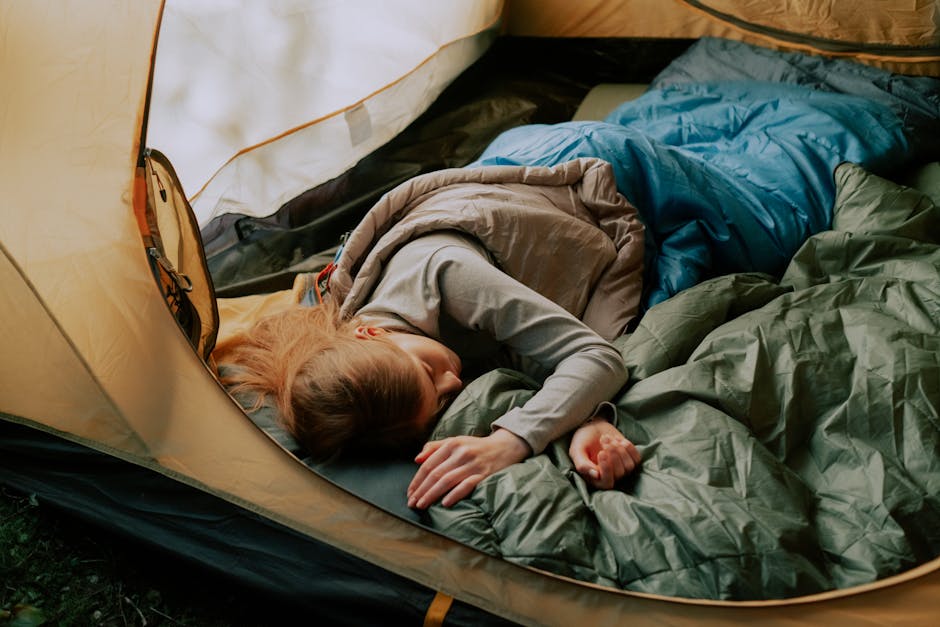
Sleeping Bag Temperature Ratings: Demystified
The most common temperature ratings for sleeping bags fall into the categories of summer, three-season, and winter. Summer sleeping bags are typically rated for 35°F and above. They are lightweight, usually made with less insulation, and perfect for warm nights. However, if you’re planning on a three-season trip (spring through fall), look for bags rated between 20°F to 35°F.
These bags will provide ample warmth while still being compact enough for easy transport.
Winter sleeping bags take it a notch higher, with ratings of 20°F and below. They are frequently filled with heavier insulation materials and designed for severe cold conditions. If you think you might venture into winter camping or even mountaineering, investing in a winter-rated bag is wise.
Otherwise, you may find yourself awake in the middle of the night, shivering uncontrollably, and wishing you had opted for a bulkier bag.
Insulation Types
The insulation type in your sleeping bag heavily influences its warmth and packability. Broadly, there are two types: down and synthetic. Down insulation offers excellent warmth-to-weight ratios and compresses well, making it ideal for backpacking. However, it loses its insulating properties when wet, and often comes with a higher price tag.
If you’re camping in damp areas or anticipate wet conditions, down might not be your best bet.
Synthetic insulation, on the other hand, retains warmth even when wet and is generally less expensive. It doesn’t compress quite as perfectly as down does, but if you’re just getting into camping gear or want something versatile, a synthetic sleeping bag can serve you well across various conditions.
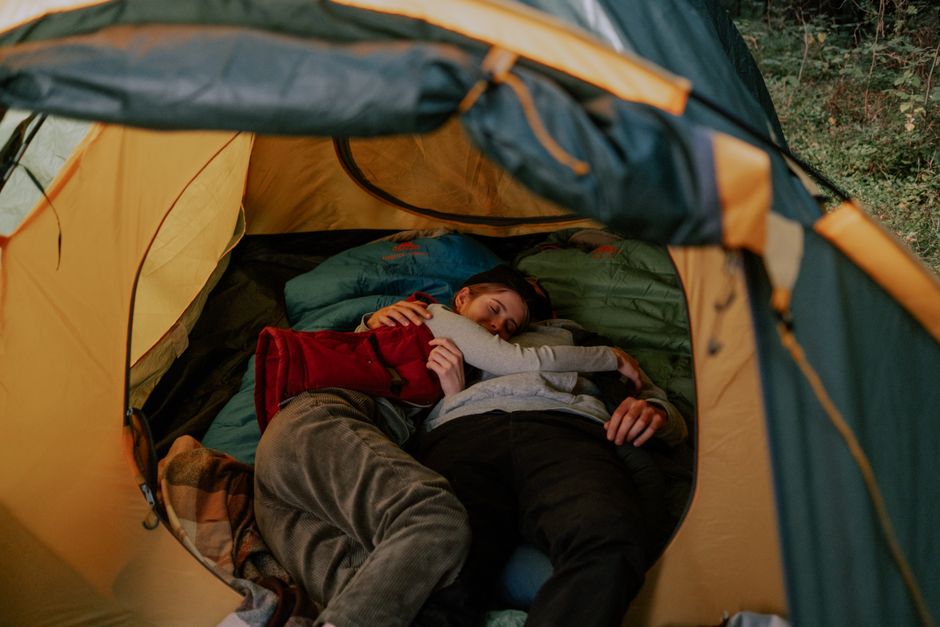
Seasonal Use and Temperature Considerations
When selecting your sleeping bag, consider the climate of the areas you plan to camp in. If you live in a region with mild summers and very cold winters, you might want to have different bags for different seasons.
On the flip side, if you’re more of a summer or occasional fall camper, investing in one versatile bag rated for mid-range temperatures can help you stay comfortable without burning a hole in your pocket.
Moreover, your personal sleeping habits can vastly influence bag choice. If you typically run warm during sleep, you might find that you desire a bag rated toward the upper end of the scale. Conversely, if you are often cold, select a rating that’s more towards the lower end.
Adding extra layers, such as a sleeping bag liner or wearing warm clothing, can also provide further warmth without needing an overly heavy bag.
Common Mistakes When Choosing a Sleeping Bag
One mistake many campers make is to focus solely on the comfort rating, ignoring the manufacturer’s certifications. Always check for EN (European Norm) ratings, which provide standardized testing metrics for sleeping bags. A bag rated for 20°F by one brand may not necessarily provide the same warmth as another brand with the same numerical rating.
Aim for a bag that can keep you warm under expected conditions rather than just hoping for the best.
Additionally, don’t underestimate the importance of fit and shape. Mummy bags are great for warmth efficiency as they contour closer to the body, reducing uninsulated air pockets. Conversely, if you prefer more leg room, consider a rectangular bag. While it may weigh more and be less warm, comfort is vital if you spend extended nights in a bag.
Final Recommendations for Your Sleeping Bag
For beginners, a synthetic, three-season sleeping bag with a rating between 20°F and 35°F strikes a good balance between warmth and portability. Experienced campers should consider a down bag rated at least 0°F for reliable warmth during harsh winter conditions. Always prioritize moisture management to maintain insulation effectiveness.
We cover travel adapter in more depth separately.
Frequently Asked Questions
What temperature rating sleeping bag do I need?
The temperature rating of the sleeping bag you need depends on the conditions you expect to encounter during your trip. Generally, consider a sleeping bag rated 10-20 degrees lower than the lowest temperature you anticipate.
Why is sleeping bag rating important?
Sleeping bag ratings are crucial because they indicate the lowest temperature at which the bag can keep you warm. Choosing the right rating helps ensure comfort and prevents hypothermia in cold conditions.
How to read sleeping bag temperature ratings?
Most sleeping bags feature a comfort rating, which indicates the temperature at which a typical user will feel comfortable, and a lower limit rating for colder conditions. It's important to consider your personal comfort level and the type of insulation when interpreting these ratings.
Can I use a summer sleeping bag in winter?
Using a summer sleeping bag in winter is not advisable as it typically lacks the insulation required to maintain warmth in colder temperatures. If you choose to do so, you may need to layer additional blankets or clothing to stay warm.
Is down or synthetic better for sleeping bags?
Down sleeping bags are generally lighter and provide better insulation for their weight, making them suitable for cold, dry conditions. However, synthetic bags perform better in wet conditions and are usually easier to care for, making them a practical choice for varied weather.