
A luggage smart tracker offers real-time location updates via smartphone connectivity, making it a superior choice over traditional GPS trackers that may only provide location information without integration. With approximately 25 million delayed bags annually, investing in a smart tracker is essential for today’s travelers aiming to recover their belongings swiftly and efficiently.
Two main types of tracking devices dominate the market:
- Smart trackers (Bluetooth trackers)
- GPS trackers
Although both help you locate your belongings, they work very differently. This article explains their differences, advantages, disadvantages, and which one is best for your needs.
1. What Is a Luggage Smart Tracker?
A smart tracker (also called a Bluetooth tracker or smart tag) is a small device placed inside or attached to your luggage. It connects to your smartphone using Bluetooth technology.
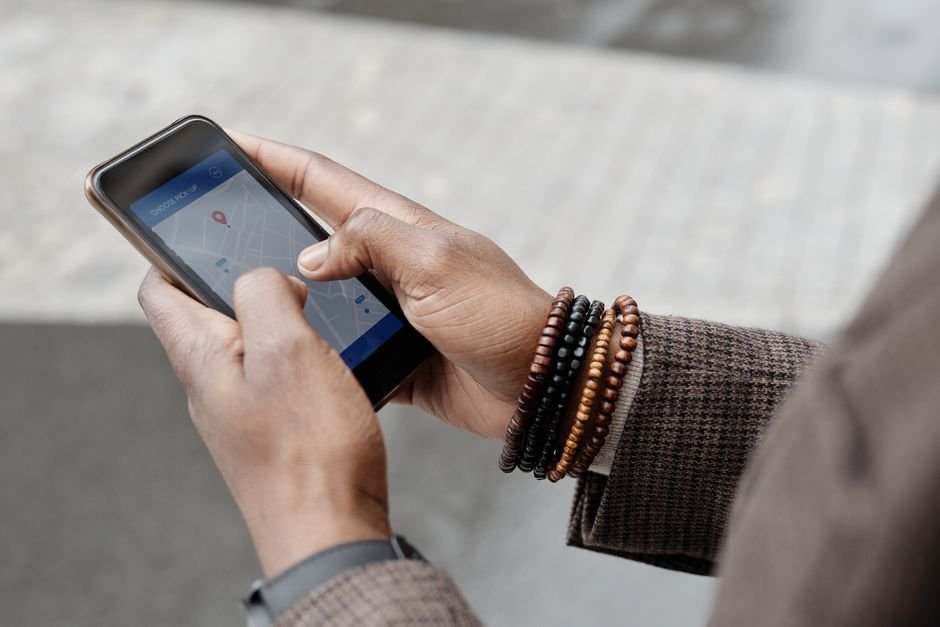
How It Works
- The tracker connects to nearby smartphones via Bluetooth.
- It uses a network of devices (like Apple or Android phones) to update its location.
- You can see its last known location in an app.
Some popular systems rely on millions of phones acting as anonymous “detectors” to help locate your item.
Key Features
- Short-range tracking (usually 10–100 meters)
- “Ring” feature to find nearby items
- Last known location tracking
- No SIM card required
- Long battery life (often 6–12 months)
Advantages
- Lightweight and compact
- Affordable
- No monthly subscription
- Easy to use
Limitations
- Cannot track in real time over long distances
- Depends on nearby devices to update location
- Less useful in remote areas
2. What Is a GPS Tracker?
A GPS tracker is a more advanced device that uses satellites and mobile networks to track your luggage in real time.
How It Works
- The device receives signals from GPS satellites.
- It calculates its exact location.
- It sends this data via cellular networks (4G/5G) to your phone.
This allows you to monitor your luggage anywhere in the world.
Key Features
- Real-time tracking
- Global coverage
- Route history
- Geofencing alerts (notifications when luggage moves outside a set area)
- Motion alerts
Advantages
- Accurate real-time location (within a few meters)
- Works over long distances
- Ideal for theft protection
- Independent tracking (no nearby phones needed)
Limitations
- Higher cost
- Requires SIM card and subscription
- Shorter battery life (days or weeks instead of months)
3. Key Differences Between Smart Tracker and GPS Tracker
1. Technology
- Smart Tracker: Bluetooth + crowdsourced network
- GPS Tracker: Satellite + cellular network
2. Range
- Smart Tracker: Short range (nearby or dependent on other users)
- GPS Tracker: Unlimited range (global coverage)
3. Tracking Type
- Smart Tracker: Last known location
- GPS Tracker: Real-time tracking
4. Cost
- Smart Tracker: One-time purchase
- GPS Tracker: Device + monthly subscription
5. Battery Life
- Smart Tracker: Long (months to a year)
- GPS Tracker: Short (days to weeks)
6. Accuracy
- Smart Tracker: Depends on nearby devices
- GPS Tracker: Highly accurate (5–10 meters)
4. Real-World Use Cases
When to Use a Smart Tracker
Smart trackers are best for:
- Finding luggage in airports or hotels
- Keeping track of carry-on bags
- Everyday items like wallets and keys
They are ideal when your luggage is near people or in busy areas.
When to Use a GPS Tracker
GPS trackers are best for:
- International travel
- Tracking checked baggage across countries
- Theft prevention
- High-value luggage
They are ideal when your luggage may travel long distances or be stolen.
5. What Travelers Say (Real Experience)
Many travelers actually use both together a smart tracker for convenience and a GPS tracker for security.
6. Which One Should You Choose?
Choose a Smart Tracker if:
- You want a budget-friendly option
- You travel mostly in cities or crowded areas
- You don’t need real-time tracking
- You prefer long battery life
Choose a GPS Tracker if:
- You need real-time location updates
- You travel internationally
- You want strong anti-theft protection
- You are tracking expensive luggage
7. Final Verdict
There is no “one-size-fits-all” solution.
- Smart trackers are simple, affordable, and great for everyday travel.
- GPS trackers are powerful, precise, and ideal for serious tracking needs.
Best Strategy
For maximum security and peace of mind, many travelers combine both:
- Smart tracker → quick, easy locating
- GPS tracker → real-time global tracking
Common Mistakes When Choosing Trackers
Many travelers often confuse smart trackers with GPS trackers, assuming they serve the same purpose. It’s essential to evaluate your needs before purchasing. For instance, if you only need local tracking, a smart tracker may suffice. However, if you require real-time location updates across long distances, opt for a GPS unit.
Another frequent error is neglecting the battery life of the chosen device. A smart tracker might easily last months, but GPS devices often require more frequent charging. Always check the expected battery lifespan based on your travel frequency.

Maintenance and Care for Trackers
Keeping your tracker in optimal condition requires some routine tasks. For smart trackers, make sure to regularly update the accompanying app for improved features. These updates may offer advanced tracking capabilities or fix existing bugs.
For GPS trackers, periodically check the device’s firmware and ensure the GPS antenna is unobstructed. Clear debris or dirt that might interfere with performance. Treat both devices with care to avoid damage from impacts or weather.
Conclusion
Luggage tracking technology has evolved significantly, offering travelers better control and peace of mind. Choosing between a smart tracker and a GPS tracker depends on your travel style, budget, and level of security required.
If your goal is convenience, go for a smart tracker.
If your goal is full control and security, a GPS tracker is the better investment.
Additionally, understanding the differences between the Luggage Smart Tracker vs GPS Tracker can help in making the appropriate choice.