
What is fire safety for outdoor cooking? It involves understanding specific hazards and implementing best practices, such as maintaining a minimum distance of 10 feet between cooking equipment and flammable materials. This proactive approach helps prevent flare-ups and ensures a safer cooking experience. By adopting these precautions, you can create a more enjoyable atmosphere while minimizing risks associated with outdoor cooking.
At its core, fire safety for outdoor cooking centers on awareness. It involves recognizing risks associated with various cooking methods, using the right gear, and implementing proactive measures to avoid accidents. This knowledge not only protects your loved ones but also enhances your outdoor cooking experience.

Avoiding Common Pitfalls in Outdoor Cooking
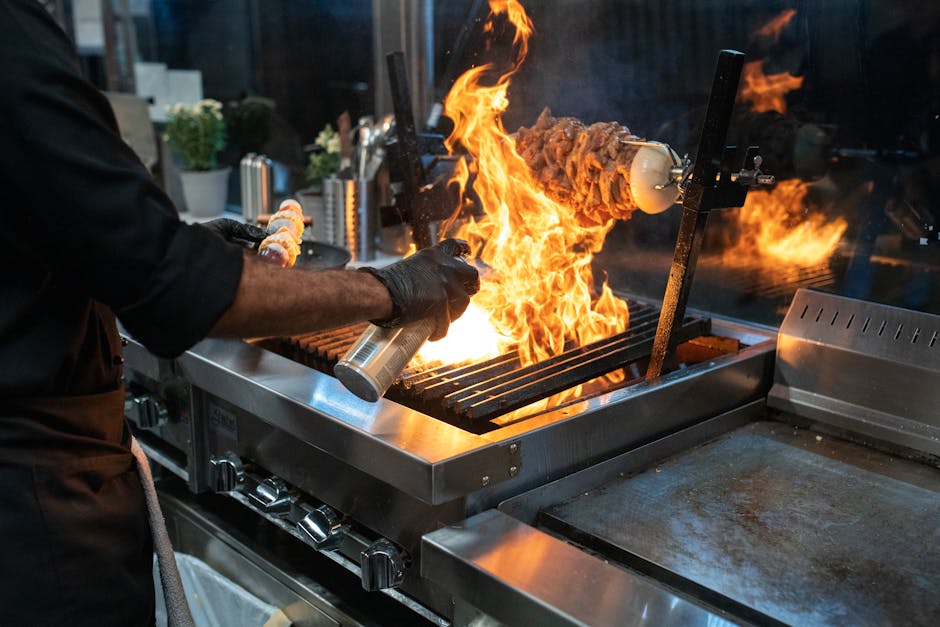
Flare-ups are one of the most frequent issues when grilling. They often occur when fresh charcoal or wood is added without letting previous coals ash over, which should take about 30 minutes. Allowing coals to develop a white ash coating ensures better heat control and minimizes uncontrolled flames.
Leaving your grill or stove unattended is another risky behavior. It’s a common mistake to think a moment away won’t matter, but that brief absence can lead to escalating flames. Always have someone nearby to monitor the cooking or keep all essentials close at hand to avoid wandering off.
Moreover, many overlook proper fire extinguishing methods. It’s alarming how unprepared people can be when faced with emergencies. Always keep a bucket of water or a grease-rated fire extinguisher (Class K) accessible during cooking. Choosing the right extinguishing method can make a crucial difference.
Fire Hazards by Cooking Method
Different outdoor cooking methods present varying fire hazards. Charcoal grills generate significant heat and can cause dangerous flare-ups when fat drips onto the coals. If using portable stoves, ensure they are on stable, non-flammable surfaces to prevent tipping incidents.
Campfire cooking is especially high-risk, particularly in dry conditions. Keep fires small and contained, and always fully extinguish them with water before leaving the area to avoid wildfires.
For propane grills, vigilance is key. Propane is highly flammable, and leaks can have dire consequences. Check hoses for cracks or leaks before use, and ensure connections are tight. Investing in leak detector spray can provide peace of mind.
Essential Gear for Enhanced Fire Safety
Choosing the right equipment can significantly enhance fire safety. In addition to a reliable grill or stove, consider investing in fire-resistant gloves, long-handled tongs, and a suitable fire extinguisher.
An emergency kit tailored for outdoor cooking is essential. Include a fire blanketa first-aid kitand a readily accessible bucket of water or sand. Being overprepared is preferable to facing a crisis unprepared.
If using a charcoal grill, a chimney starter can help safely ignite coals and ensure an even burn, further minimizing fire risks, especially when cooking for larger groups.
Implementing Best Practices for Cooking Safety
Adhere to best practices to substantially reduce fire hazards. Select a cooking location away from overhanging trees and other flammable materials like propane tanks or wooden structures. Whether grilling on a patio or at a campsite, always assess your surroundings.
Have a strategy for dealing with flare-ups. Instead of panicking, a simple water spray bottle or a bucket of baking soda can effectively extinguish grease fires. Regularly clean your grill to prevent grease buildup, which can lead to larger problems.
Additionally, maintain clear paths to your cooking area and have an exit plan in case of an emergency. Familiarize yourself with local fire department guidelines to stay informed about regulations and best practices specific to your area.
Leveraging Community Knowledge and Resources
Community resources offer invaluable insights on fire safety. Engage with local fire-fighting organizations or participate in fire safety workshops. Many fire departments provide free resources, educating the public about safety precautions related to outdoor cooking.
Sharing knowledge about fire safety with friends and family is equally important. Discussing safety measures can enhance awareness and ensure everyone enjoys outdoor cooking with minimal risk.
Make Fire Safety a Priority in Outdoor Cooking
Fire safety for outdoor cooking is essential to prevent accidents and protect both property and lives. Being mindful of your cooking methods, having the right gear, and being prepared can immensely enhance your outdoor culinary experiences.
Shift your focus from worrying about potential disasters to enjoying the flavors and memories created outdoors. With the right preparations and mindset, fire safety will play a key role in your cooking adventures.
For more detailed safety insight related to specific outdoor cooking methods, explore my guides on small camping stoves and propane cooking stoves.
Frequently Asked Questions
What are the main fire hazards when cooking outdoors?
The main fire hazards include flammable materials such as dry grass, leaves, and wooden structures that can easily catch fire. Additionally, spills from cooking oil or grease can ignite, and the open flame from gas and charcoal grills poses a direct fire risk.
Why is fire safety important for outdoor cooking?
Fire safety is crucial for outdoor cooking to prevent uncontrolled fires that can lead to property damage, personal injury, or even wildfires. Ensuring safety helps create a secure environment for both the cook and any bystanders.
How can I prevent fires while using a portable stove?
To prevent fires while using a portable stove, set it up on a flat, stable surface away from flammable materials. Always monitor the stove while in use, keep a fire extinguisher or water nearby, and never leave it unattended.
Is charcoal safe for backyard grilling?
Charcoal can be safe for backyard grilling when used properly; ensure that the grill is placed away from flammable materials and never leave it unattended while lit. It's important to allow charcoal to fully cool before disposing of the ashes to prevent fires.
Can you use propane safely for camping cookouts?
Yes, propane can be used safely for camping cookouts by following safety guidelines such as checking for leaks, using the stove in well-ventilated areas, and properly securing the propane tank during transport. Always have a fire extinguisher handy and avoid using propane indoors or in enclosed spaces.