
When it comes to choosing the perfect carry-on luggage, one of the most important decisions you'll make is between 2-wheel (also known as inline) and 4-wheel (also known as spinner) luggage. While both are designed to be compact and airplane-friendly, the wheel configuration can make a big difference in terms of maneuverability, durability, and how you travel.
This article breaks down the key differences to help you decide which type is better suited for your travel style.

What Is a 2-Wheel Carry-On?
A 2-wheel carry-on, also known as roller luggage, has two fixed wheels at the bottom rear of the suitcase. You pull it behind you using a telescopic handle, much like a suitcase on a sled.
Pros of 2-Wheel Carry-Ons
- Better for rough terrain: Handles cobblestones, uneven pavement, and curbs more easily.
- More durable wheels: Since the wheels are partially recessed, they are less prone to breakage.
- Slightly more packing space: Wheels don’t protrude as much, so you get a bit more room inside.
- Less likely to roll away: When you stop moving, a 2-wheel bag stays put especially useful on slopes.
Cons of 2-Wheel Carry-Ons
- Less maneuverable: Requires you to tilt and pull the suitcase behind you, which can strain your arm or wrist.
- Not ideal for tight spaces: Difficult to navigate narrow airplane aisles or crowded airports.
What Is a 4-Wheel Carry-On?
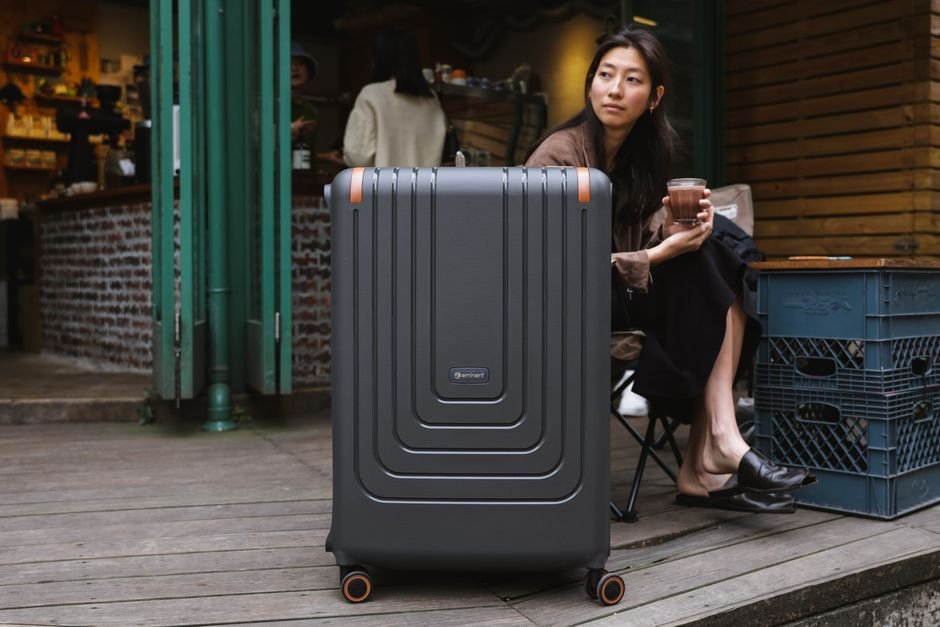
A 4-wheel carry-on, or spinner luggage, has four multi-directional wheels that rotate 360 degrees. This allows the suitcase to be pushed or pulled in any direction, even upright.
Pros of 4-Wheel Carry-Ons
- Superior maneuverability: Easily glides beside you in any direction with minimal effort.
- Ideal for airports: Perfect for smooth surfaces like airport terminals, hotel lobbies, and tiled floors.
- Less strain on body: No need to tilt or drag—it rolls smoothly in an upright position.
- Easier in tight spaces: Effortlessly rolls down airplane aisles or beside your legs in security lines.
Cons of 4-Wheel Carry-Ons
- Struggles on rough terrain: Small wheels don’t do well on cobblestones or dirt roads.
- More prone to wheel damage: Wheels stick out and are more exposed, making them vulnerable.
- May roll away: Can easily glide off if left on an incline or moving surface.
Side-by-Side Comparison Table
| Feature | 2-Wheel Carry-On | 4-Wheel Carry-On |
|---|---|---|
| Mobility | Drag behind | Push/pull in any direction |
| Best Surface | Rough, uneven | Smooth, flat |
| Wheel Durability | Higher | Lower (more exposed) |
| Packing Capacity | Slightly more | Slightly less (due to wheel bulk) |
| Stability When Stationary | High | Can roll away easily |
| Navigation in Tight Spaces | Less efficient | Excellent |
| Physical Strain | Can cause arm/wrist strain | Minimal strain |
Which One Should You Choose?
Choose a 2-Wheel Carry-On If:
- You frequently travel to destinations with rough terrain or uneven sidewalks.
- You prefer durability and stability over smooth gliding.
- You don’t mind pulling your suitcase behind you.
- You want a bit more packing space within airline size limits.
Choose a 4-Wheel Carry-On If:
- You mostly travel through airports, hotels, and cities with smooth surfaces.
- You want effortless maneuverability and less strain on your body.
- You like to wheel your bag upright, especially in tight areas.
- You don’t mind being extra careful with exposed wheels.
Common Mistakes When Choosing Carry-Ons
One common mistake is prioritizing size over functionality. You may find a stylish option but discover it's hard to maneuver in crowded airports. Always test the weight and how it feels when you pull or push it.
Another error is ignoring warranty or return policies. Review them before purchasing. This way, if you find your choice doesn’t suit your needs after a few trials, you have options to return or exchange it.
Who Each Option Suits
2-wheel carry-ons work well for those who frequently travel on uneven terrain. They’re ideal for travelers who prioritize durability over ease of movement. If you often find yourself on cobblestone streets or hiking trails, this option may serve you better.
Conversely, a 4-wheel carry-on is perfect for city dwellers or those who frequently use airports. If you navigate bustling environments with ease, this type is designed for you. It allows for quick turns and effortless movement through security lines. For an in-depth discussion on the 2 Wheel Carry on vs 4 Wheel Carry On, check various opinions and experiences shared online.
Cost Considerations for Carry-Ons
When choosing between 2-wheel and 4-wheel carry-ons, cost can be a significant factor. Generally, 2-wheel luggage tends to be less expensive. You might find a reliable 2-wheel carry-on priced from $75 to $150. In contrast, 4-wheel options usually range from $100 to $300. Higher prices often reflect better materials and extra features.
Keep an eye out for sales and discounts. Some brands offer seasonal discounts, especially during travel seasons. Additionally, investing in a quality bag can save you money in the long run, as durable luggage will withstand wear and tear.
Conclusion
Both 2-wheel and 4-wheel carry-ons have their strengths and weaknesses, and the right choice depends on your personal travel style, destinations, and preferences. For rugged, adventurous travel, 2-wheel luggage might be the winner. For smooth, urban trips and airport hopping, a 4-wheel spinner is hard to beat.