
That is why many travelers invest in noise-cancelling audio devices. Traveling can be exciting, but it often comes with unwanted noise. Airplane engines, crying babies, crowded train stations, hotel noise, and city traffic can quickly turn a relaxing trip into a stressful experience. The biggest question is whether to choose noise-cancelling headphones or noise-cancelling earbuds.
Both options offer unique advantages and disadvantages. Some travelers prioritize comfort and sound quality, while others value portability and convenience. Choosing the right option depends on your travel style, budget, destination, and personal preferences.
This article explores the differences between travel noise-cancelling headphones and earbuds in detail to help you decide which is the better choice for your next journey.
Understanding Noise Cancellation
Before comparing headphones and earbuds, it is important to understand how noise cancellation works.
Active Noise Cancellation (ANC) uses microphones to detect external sounds and create opposite sound waves that reduce unwanted noise. This technology is especially effective against low-frequency sounds such as airplane engines, bus vibrations, and air conditioners.
Passive noise isolation, on the other hand, blocks sound physically through ear cushions or ear tips. Many premium devices combine both active and passive noise reduction for maximum effectiveness.
Noise-Cancelling Headphones
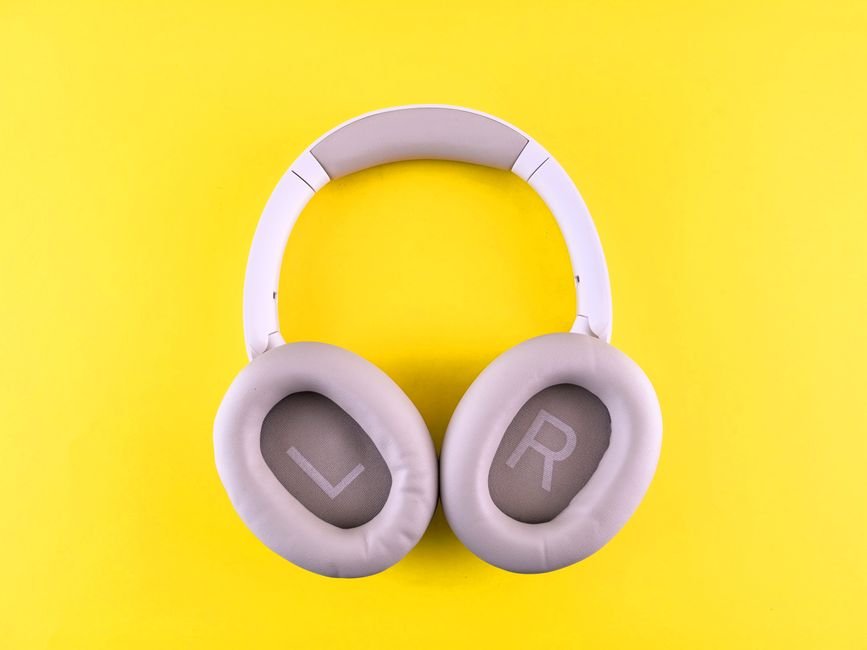
Noise-cancelling headphones are over-ear or on-ear devices designed to cover the ears completely. They are popular among frequent flyers, business travelers, and audiophiles.
Advantages of Noise-Cancelling Headphones
Superior Noise Cancellation
Over-ear headphones generally provide stronger noise cancellation than earbuds. The larger ear cups create a better seal around the ears, blocking more ambient sound.
For long flights or train rides, headphones can significantly reduce engine noise and background chatter, creating a quieter and more relaxing environment.
Better Sound Quality
Headphones usually have larger drivers, which produce richer bass, clearer mids, and a wider soundstage. Music, movies, and podcasts often sound more immersive compared to earbuds.
Travelers who care deeply about audio quality typically prefer headphones.
Improved Comfort for Long Sessions
Many premium headphones are designed with soft ear cushions and adjustable headbands. They can be more comfortable during long listening sessions because they do not sit directly inside the ear canal.
This is especially helpful during international flights or overnight travel.
Longer Battery Life
Noise-cancelling headphones generally offer longer battery life than earbuds. Some models provide 30 to 60 hours of playback on a single charge.
This can be extremely useful during long trips where charging opportunities are limited.
Extra Features
High-end travel headphones often include features such as:
- Multipoint Bluetooth connectivity
- Foldable designs
- Touch controls
- Transparency modes
- High-resolution audio support
- Included airplane adapters
These features enhance convenience during travel.
Disadvantages of Noise-Cancelling Headphones
Larger and Bulkier
Headphones take up more space in luggage or backpacks. Even foldable models require a protective carrying case.
For travelers packing light, this can be inconvenient.
Less Portable
Unlike earbuds, headphones are not easy to slip into a pocket. Travelers constantly moving through airports, buses, or crowded streets may find them cumbersome.
Can Cause Heat and Pressure
Wearing headphones for extended periods may create heat around the ears, especially in warm climates. Some users also experience head pressure from tight-fitting designs.
More Expensive
Premium noise-cancelling headphones can be expensive. While budget options exist, top-tier models often cost significantly more than earbuds.
Noise-Cancelling Earbuds
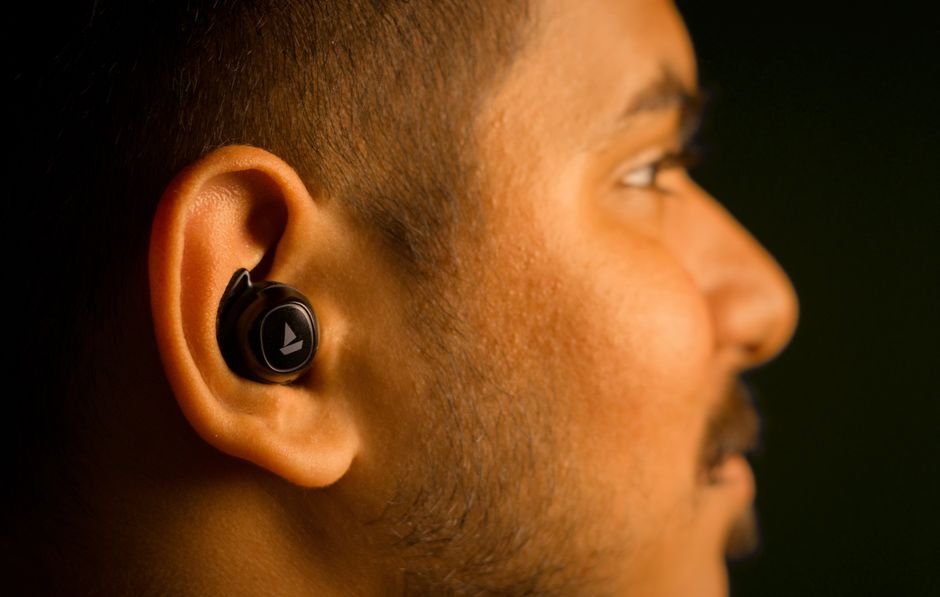
Noise-cancelling earbuds are compact in-ear devices designed for portability and convenience. They have become increasingly popular thanks to improvements in ANC technology.
Advantages of Noise-Cancelling Earbuds
Extremely Portable
Earbuds are lightweight and compact. They easily fit into pockets, small bags, or travel pouches.
This portability makes them ideal for minimalist travelers or backpackers.
Convenient for Daily Movement
Travelers frequently walking through airports, sightseeing, or commuting may appreciate the freedom earbuds provide. They are easier to carry and quicker to use.
Better for Active Travelers
Earbuds are often better suited for active situations such as:
- Walking tours
- Gym workouts
- Running
- Hiking
- City exploration
Many earbuds also include water and sweat resistance.
Less Noticeable
Earbuds are smaller and more discreet than large headphones. Some travelers prefer a less bulky appearance in public spaces.
Often More Affordable
While premium earbuds can still be costly, many quality ANC earbuds are available at lower prices than premium headphones.
Disadvantages of Noise-Cancelling Earbuds
Weaker Noise Cancellation
Although earbud ANC technology has improved dramatically, most earbuds still cannot match the noise reduction performance of high-end over-ear headphones.
Low-frequency sounds may still be noticeable during flights.
Shorter Battery Life
Earbuds usually offer fewer listening hours per charge. While charging cases provide additional power, frequent charging may become inconvenient during long travel days.
Potential Ear Discomfort
Some users experience discomfort after wearing earbuds for extended periods. In-ear pressure or irritation can become problematic during long flights.
Easier to Lose
Because earbuds are small, they are easier to misplace during travel. Losing one earbud can be frustrating and expensive.
Smaller Soundstage
Compared to headphones, earbuds generally produce less spacious and immersive audio.
Comparing Headphones and Earbuds for Travel
Comfort
- Headphones: Better for long listening sessions
- Earbuds: Better for quick and active use
Travelers taking long international flights may prefer headphones, while short-trip travelers may prefer earbuds.
Portability
- Headphones: Bulkier and heavier
- Earbuds: Compact and pocket-friendly
Backpackers and minimalist travelers often choose earbuds due to limited luggage space.
Noise Cancellation
- Headphones: Stronger overall ANC
- Earbuds: Good ANC but usually less powerful
Frequent flyers who prioritize silence may find headphones more effective.
Battery Life
- Headphones: Longer single-charge battery life
- Earbuds: Shorter battery but rechargeable case support
For ultra-long travel days, headphones usually have an advantage.
Audio Quality
- Headphones: Richer and more immersive sound
- Earbuds: Good quality but generally less detailed
Music lovers and movie enthusiasts often prefer headphones.
Price
- Headphones: Usually more expensive
- Earbuds: Wider range of affordable options
Budget-conscious travelers may find earbuds more accessible.
Best Choice Based on Travel Style
Choose Headphones If You:
- Frequently take long flights
- Prioritize strong noise cancellation
- Care deeply about sound quality
- Watch movies during travel
- Need extended battery life
- Prefer over-ear comfort
Headphones are ideal for business travelers, digital nomads, and frequent international flyers.
Choose Earbuds If You:
- Travel light
- Move around frequently
- Prefer compact gear
- Exercise or walk often during trips
- Want convenience and portability
- Need something discreet
Earbuds are excellent for backpackers, commuters, and casual travelers.
Can You Use Both?
Many experienced travelers actually carry both headphones and earbuds.
For example:
- Headphones for flights and hotel use
- Earbuds for city walks and quick commutes
While this approach costs more, it provides flexibility for different travel situations.
Important Features to Consider Before Buying
Whether choosing headphones or earbuds, look for these travel-friendly features:
Battery Life
Long battery life reduces charging stress during travel.
Comfort
Test fit and comfort whenever possible.
Transparency Mode
Allows outside sounds in when needed, useful for airport announcements.
Carrying Case
Protects the device while traveling.
Fast Charging
Helpful during short layovers or busy travel schedules.
Water Resistance
Important for outdoor travel and humid environments.
Multipoint Connectivity
Allows connection to multiple devices simultaneously.
For a deeper look, see Noisyworld's guide.
There is more on choose travel gear without overspending elsewhere on the site.
Conclusion
There is no single winner between travel noise-cancelling headphones and earbuds because the best choice depends on individual needs.
Noise-cancelling headphones deliver superior sound quality, stronger ANC, and better long-session comfort. They are the top choice for frequent flyers and travelers who value immersive audio experiences.
Noise-cancelling earbuds excel in portability, convenience, and flexibility. They are ideal for travelers who prioritize lightweight packing and active movement.
If your main concern is comfort and silence during long flights, headphones are likely the better investment. If portability and convenience matter most, earbuds may suit you better.
Ultimately, the right travel audio device is the one that fits your travel habits, comfort preferences, and lifestyle.