
About 30% of campers report difficulty sleeping due to poor sleeping bag use. Getting the hang of sleeping in a bag can change your night sky experiences dramatically. If you've struggled to find comfort while camping, it's time to learn how to do it right.
Getting comfortable in a sleeping bag involves more than just zipping it up at bedtime. It’s about creating the perfect environment to stay warm and relaxed throughout the night. Here, I will share the essential tips I’ve learned over years of camping and backpacking, so you can benefit from my experience and sleep soundly, no matter where your adventures take you.

Avoiding Common Mistakes When Sleeping in a Sleeping Bag
One of the biggest mistakes people make is assuming that simply lying down in their sleeping bag is sufficient. If it’s a chilly night and you haven’t prepared properly, you could end up shivering all night. The trick is to manage both your sleeping bag choice and how you use it.
For example, sleeping in too big of a bag can leave too much room for cold air circulation. Conversely, a bag that is too snug can restrict your movement and feel uncomfortable.
Another common error is overlooking the importance of insulation and temperature ratings of sleeping bags. A sleeping bag rated for three seasons may feel quite different on a summer night versus winter camping. Don’t forget to check the temperature rating before you hit the road.
Matching your sleeping bag to the conditions you’re facing can often mean the difference between a restful sleep and a long, chilly night.
Enhancing Comfort: Your Sleeping Pad Matters
Using a sleeping pad is non-negotiable for a good night’s sleep outdoors. Many people underestimate its importance. A sleeping pad provides insulation from the cold ground and keeps your body heat from escaping, especially on those frosty nights.
Look for a pad that strikes a balance between weight and comfort, those that compact easily while still offering enough cushion are often the best choice for backpacking essentials.
When choosing your sleeping pad, pay attention to its thickness and R-value, which indicates how well it insulates. A higher R-value is advisable for colder temperatures, while a lower one may suffice for summer nights. I prefer to look for something at least three inches thick for maximum comfort, especially if I’m tent camping.
If you skip this step, you risk spending a night battling discomfort and cold.
Choosing the Right Sleeping Bag and Gear
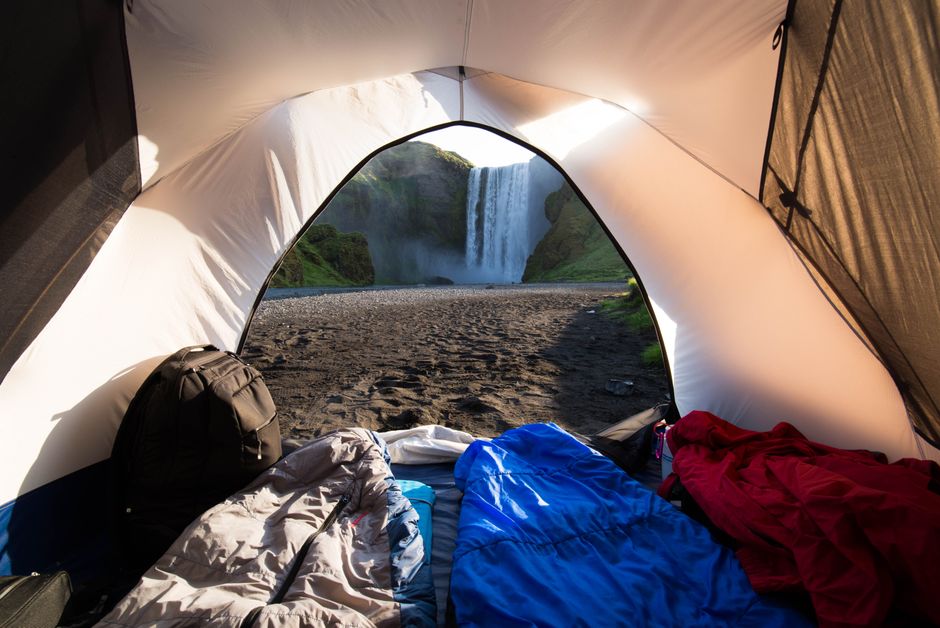
Your sleeping bag choice makes a significant difference in how you experience sleep outdoors. Mummy bags are the most thermally efficient, wrapping tightly around your body to trap heat. Conversely, rectangular bags offer more space but may leave you feeling cold on chilly nights. Think about how often you’ll camp in cold conditions versus warm ones to guide your decision.
Pay attention to the material of the sleeping bag as well. A down sleeping bag will provide excellent insulation but is not suitable in wet conditions unless it is treated. Synthetic bags are bulkier but resist moisture better. It all comes down to assessing your specific camping environment. Make sure your sleeping bag pairs with your sleeping pad for optimal comfort.
If both aren’t compatible in terms of size and insulating properties, you could end up waking up feeling sore and cold.
Mastering the Art of Zipping Up
One of the little-known tricks many overlook is how you zip up your bag. Leaving your sleeping bag partially unzipped can seem like a good idea for ventilation, but that can lead to cold air infiltrating your cozy space. Instead, fully zip your bag as this helps to maintain your body temperature.
If you’re worried about overheating, consider using a bag with ventilation options, such as a draft collar or a zipper that allows you to regulate temperature without losing warmth.
Lastly, keep this in mind: never underestimate the role your clothes play in your sleeping setup. Wearing the right layers can significantly enhance your sleeping experience. Consider using moisture-wicking base layers and a warm hat. This not only helps you stay warm but also limits the amount of moisture your sleeping bag absorbs from your body.
Final Thoughts: Choose Wisely for Ideal Sleep
Invest in a high-quality sleeping bag like the Western Mountaineering UltraLite for cold weather camping, which suits those who prioritize warmth. For lighter conditions, the Sea to Summit Ultralight is great for backpackers looking to minimize weight. Both options will ensure you wake up refreshed.
Frequently Asked Questions
Why am I cold in my sleeping bag?
You may be cold in your sleeping bag if it is not rated for the temperature you are in, or if it is damp or dirty, which can affect its insulation properties. Additionally, if you don't create a proper insulating layer with your clothing or sleeping pad, cold air can seep in, leaving you uncomfortable.
Can I wash a sleeping bag?
Yes, you can wash a sleeping bag, but it's important to follow the care instructions on the label. Generally, it's recommended to use a front-loading washing machine on a gentle cycle with a mild detergent, and then tumble dry on low with some clean tennis balls to help restore the loft of the insulation.
How do you stay warm in a sleeping bag?
To stay warm in a sleeping bag, make sure to choose one that is appropriately rated for the season or temperature you'll be in, and consider using a sleeping pad to insulate against the cold ground. Layering your clothing, using a sleeping bag liner, and keeping your head and feet warm can also significantly improve your warmth. Additionally, learn more about how to sleep in a sleeping bag to further enhance your comfort.
What should I wear inside a sleeping bag?
Inside a sleeping bag, it's advisable to wear moisture-wicking base layers, along with warm socks and a hat to help maintain body heat. Avoid wearing overly bulky clothing, as it can compress the sleeping bag's insulation and reduce its effectiveness.
Is it better to sleep with clothes in a sleeping bag?
Sleeping with clothes in your sleeping bag can help provide extra warmth, especially in colder conditions, but it's essential to strike a balance. Wearing lightweight, moisture-wicking layers can aid in insulation without compressing the bag too much, while bulky clothing can interfere with the bag's ability to trap warmth.