
When preparing for cold weather travel, choosing the right outerwear can make the difference between an enjoyable trip and a miserable one. Two of the most popular options are the puffer jacket and the parka. While both are designed to keep you warm, they differ significantly in design, insulation, functionality, and ideal use cases.
Understanding these differences will help you make a smarter decision based on your destination, activities, and personal preferences.
Understanding the Basics
What Is a Puffer Jacket?
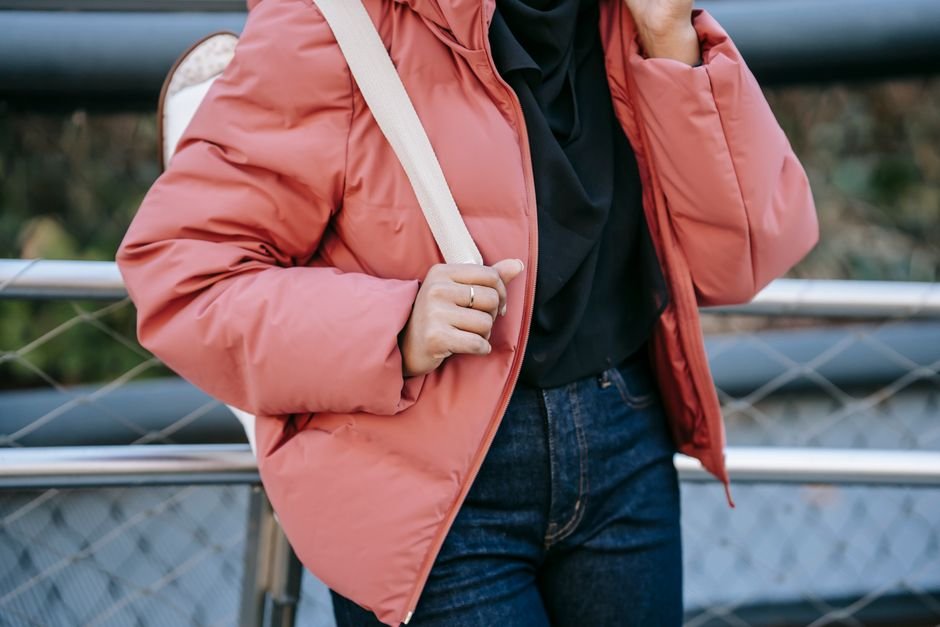
A puffer jacket, also known as a quilted jacket, is characterized by its stitched sections filled with insulation either down (natural feathers) or synthetic fibers. These “puffed” sections trap air, which helps retain body heat. Puffer jackets are typically lightweight, compressible, and easy to pack, making them a favorite among travelers.
What Is a Parka?
A parka is a longer, heavier coat designed for extreme cold. It usually extends to the thighs or knees and often includes features like a hood (sometimes fur-lined), multiple pockets, and a durable outer shell. Parkas are built for harsh winter conditions and provide comprehensive protection against cold, wind, and sometimes moisture.
Key Differences
1. Warmth and Insulation
- Puffer Jacket:
Offers excellent warmth relative to its weight. High-quality down puffers can be very warm, but shorter length and lighter materials may limit protection in extreme cold. - Parka:
Designed for maximum warmth. Its longer length covers more of the body, and thicker insulation makes it better suited for freezing temperatures.
Verdict: For extreme cold (below freezing for extended periods), a parka is generally warmer.
2. Length and Coverage
- Puffer Jacket:
Usually waist-length or hip-length. Some longer versions exist, but most prioritize mobility and lightness. - Parka:
Longer by design, often reaching mid-thigh or knee level. This added length protects more of your body, especially important in windy conditions.
Verdict: Parkas provide better overall coverage and protection.
3. Weight and Packability
- Puffer Jacket:
Lightweight and highly compressible. Many can be folded into a small pouch, making them ideal for travel. - Parka:
Bulkier and heavier. Not as easy to pack, and takes up more space in luggage.
Verdict: Puffers win for portability and convenience.
4. Weather Resistance
- Puffer Jacket:
Some models offer water-resistant or windproof shells, but many are not designed for heavy rain or snow unless specifically treated. - Parka:
Typically features a durable outer shell that is windproof and often waterproof or water-resistant. Many include storm flaps and insulated hoods.
Verdict: Parkas are better suited for harsh weather conditions.
5. Style and Versatility
- Puffer Jacket:
Sporty, modern, and versatile. Works well for both outdoor activities and casual urban wear. - Parka:
More rugged and functional in appearance. Some designs are stylish, but they are generally bulkier.
Verdict: Puffers are more versatile for mixed settings.
6. Mobility and Comfort
- Puffer Jacket:
Allows greater freedom of movement, making it ideal for activities like hiking, sightseeing, or commuting. - Parka:
Heavier and more restrictive, especially during active movement.
Verdict: Puffers are better for active travel.
When to Choose a Puffer Jacket
A puffer jacket is the better option if:
- You are traveling to moderately cold destinations (0°C to 10°C / 32°F to 50°F)
- You need something lightweight and packable
- Your itinerary includes a lot of movement (walking, hiking, city exploration)
- You prefer layering (wearing thermals or sweaters underneath)
It’s especially useful for travelers trying to minimize luggage while staying warm.
When to Choose a Parka
A parka is ideal if:
- You are visiting very cold regions (below 0°C / 32°F)
- You expect strong winds, snow, or harsh weather conditions
- You will spend long periods outdoors
- You prioritize warmth and protection over portability
Parkas are often the best choice for destinations like Arctic regions, northern Europe in winter, or high-altitude locations.
Which One Is Better for Travel?
There is no one-size-fits-all answer it depends on your travel needs:
- Choose a puffer jacket for flexibility, lighter packing, and moderate cold.
- Choose a parka for maximum warmth and protection in severe winter conditions.
Some travelers even bring both: a lightweight puffer for layering and a heavier coat for the coldest days.
Common Mistakes to Avoid
When selecting between a puffer jacket and a parka, be mindful of sizing. A common error is choosing a size solely based on style rather than layering capabilities. Ensure there’s enough room for your clothing underneath, especially if you plan to wear thick sweaters.
Another mistake is overlooking the weather conditions of your destination. Don’t assume all puffers are suitable for extreme cold; check the insulation type. Similarly, not every parka is waterproof. Confirm the specifications before purchasing to match your needs.
Cost Comparisons
Prices for puffer jackets and parkas can vary widely based on materials and brand reputation. Typically, high-quality puffer jackets start around $100, while premium options can exceed $500. On the other hand, affordable parkas can be found for $80, with top-tier models often priced between $300 to $600.
Consider the long-term investment as well. A durable, high-end jacket may cost more upfront but can last several winters, reducing the need to replace it annually. Find a balance between price, quality, and your travel habits.

Maintenance Tips
Puffer jackets generally require gentle washing to keep insulation intact. Use a front-loading machine on a delicate cycle, and avoid fabric softeners. Hanging to dry is best. On the other hand, parkas often have a tougher construction but check care labels to avoid damaging any waterproof coatings.
Regularly inspect both jackets for wear and tear. Look for loose seams or fraying, especially around cuffs and zippers. Repairing these early can extend the life of your outerwear significantly.
If that matters to you, our piece on wash a bomber jacket without goes further.
There is more on exploring what is a bomber elsewhere on the site.
If that matters to you, our piece on jackets warm enough for chilly goes further.
There is more on soften a leather jacket elsewhere on the site.
We cover dry clean a leather jacket in more depth separately.
Our write-up on wrinkles out of a leather picks up where this leaves off.
If that matters to you, our piece on i too old to wear goes further.
Related reading: break in a denim jacket.
There is more on sleeves off a denim jacket elsewhere on the site.
Worth reading alongside this: denim jacket how to dye.
We cover down jacket vs synthetic jacket in more depth separately.
If that matters to you, our piece on packable jacket vs regular jacket goes further.
There is more on waterproof jacket vs water resistant elsewhere on the site.
Conclusion
Both puffer jackets and parkas serve important roles in cold weather travel. The right choice depends on your destination, weather conditions, and travel style. If you value mobility and convenience, a puffer jacket is hard to beat. If your priority is staying warm in extreme conditions, a parka is the more reliable option.
For a detailed comparison of the two, check out this resource on jacket vs parka.
Before making your decision, consider not just the temperature, but also wind, humidity, and how active you’ll be during your trip. Dressing smartly for the climate ensures you stay comfortable and fully enjoy your travel experience.